In a fresh development affecting restaurants, hotels, and small businesses across India, oil companies have revised commercial LPG cylinder prices again, raising concerns among traders already grappling with rising operational costs.
What’s Happening?
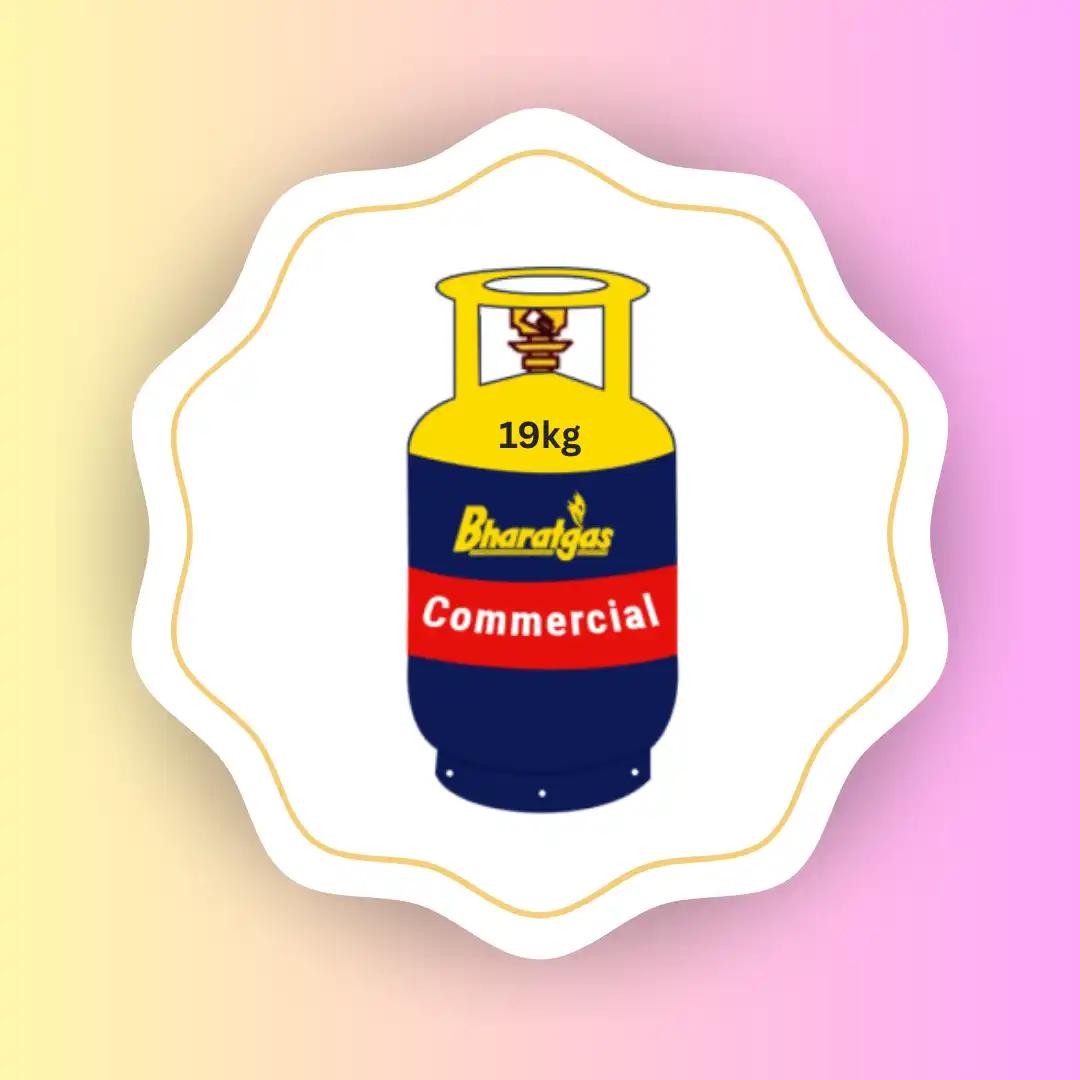
Oil marketing companies have announced a new price adjustment for commercial LPG cylinders, typically the 19-kg cylinders used in eateries and commercial establishments. The revision comes amid fluctuating global crude oil trends and currency pressures.
According to early market inputs, the latest update reflects a noticeable price change, varying slightly across cities like Kolkata, Delhi, Mumbai, and Chennai due to local taxes and transportation costs.
Latest Commercial Cylinder Price (City-wise Snapshot)
- Kolkata: Approx ₹2,050–₹2,150
- Delhi: Approx ₹1,950–₹2,050
- Mumbai: Approx ₹1,900–₹2,000
- Chennai: Approx ₹2,100–₹2,200
(Prices are indicative and may vary slightly based on distributor and locality.)
Who Will Be Affected the Most?
The biggest impact will be felt by:
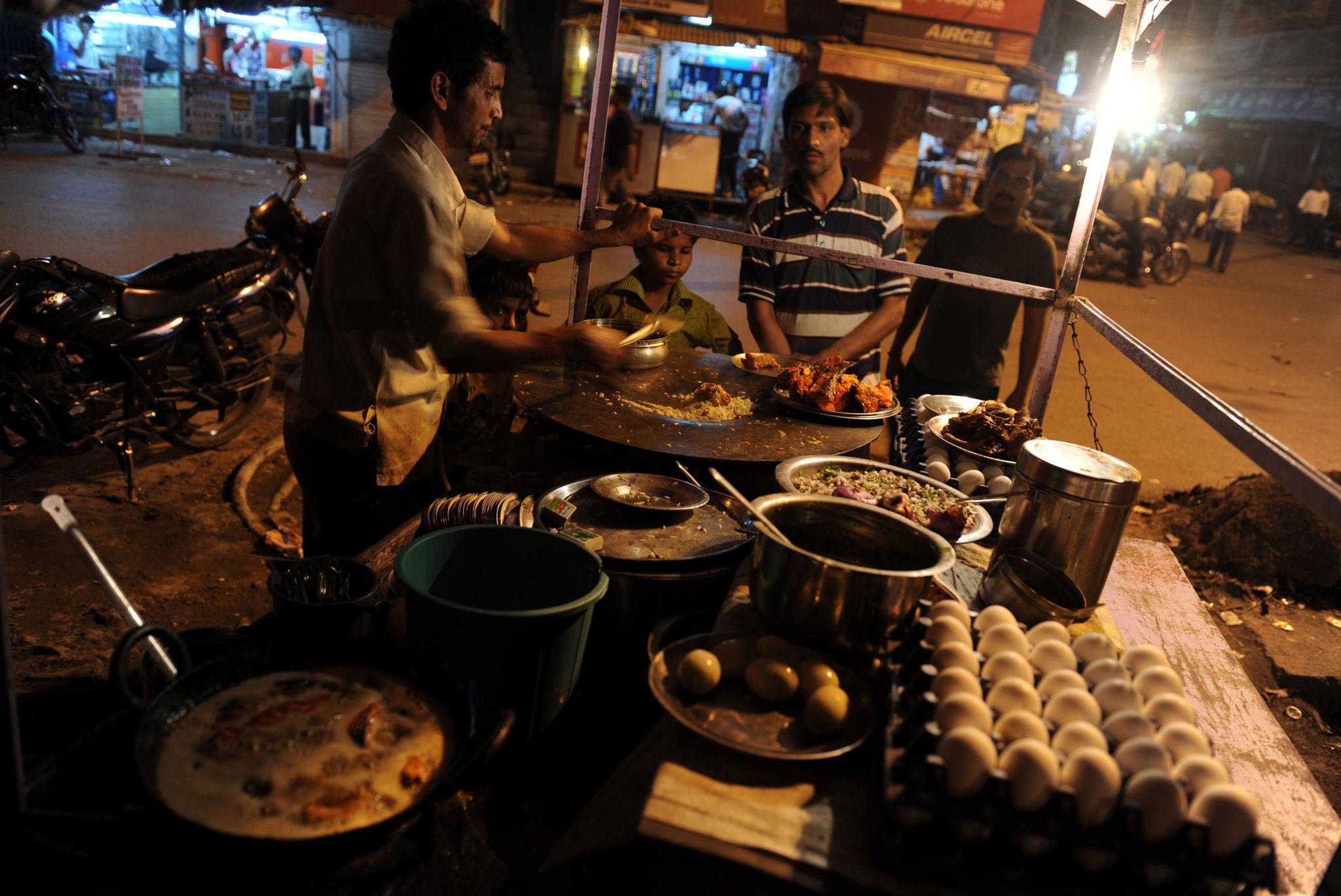
- Small restaurants & street food vendors
- Cloud kitchens and catering businesses
- Hotels and bakeries
- Tea stalls and dhabas
With fuel costs forming a major chunk of operational expenses, many businesses may be forced to increase food prices, potentially affecting consumers.
Why Are Prices Changing?
Several factors are influencing the hike:
- Global crude oil price fluctuations
- Changes in import costs
- Rupee vs dollar exchange rate
- Monthly pricing revisions by oil companies
Because the government does not subsidize commercial LPG prices, they respond quickly to changes in international market conditions.
Domestic vs Commercial Cylinder: What’s the Difference?
- Domestic cylinders (14.2 kg): Used in households, partially subsidized
- Commercial cylinders (19 kg): Used in businesses, market-linked pricing
While domestic LPG prices often remain stable for longer periods, commercial cylinder rates can change every month.
Market Reaction
Local vendors in Kolkata have expressed concern over shrinking profit margins.
“Every time cylinder prices rise, we either absorb the cost or increase prices. Both hurt our business,” said a small restaurant owner in Park Street.

What to Expect Next?
Industry experts suggest that prices may continue to fluctuate depending on:
- International oil market trends
- Government policy decisions
- Inflation control measures
Businesses should plan costs cautiously and explore energy-efficient alternatives where possible.
About the Author