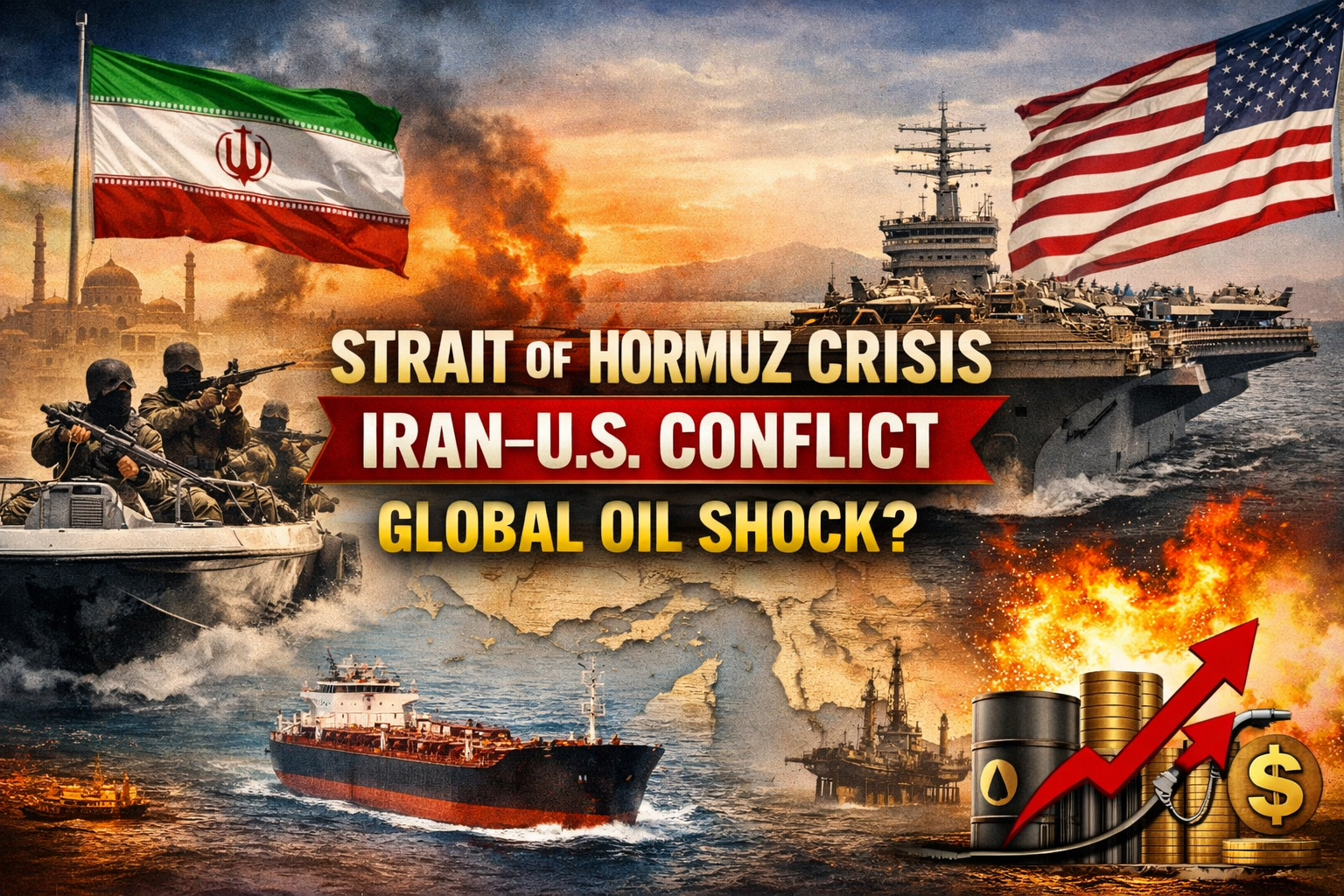
What if a narrow stretch of water—barely visible on a world map—had the power to shake the entire global economy?
It may sound surprising, but the rising tensions between Iran and the United States can directly impact our daily expenses, fuel prices, and even our household budgets.
Welcome to the reality of the Strait of Hormuz—a silent yet powerful player in today’s geopolitical landscape.
What is the Strait of Hormuz?
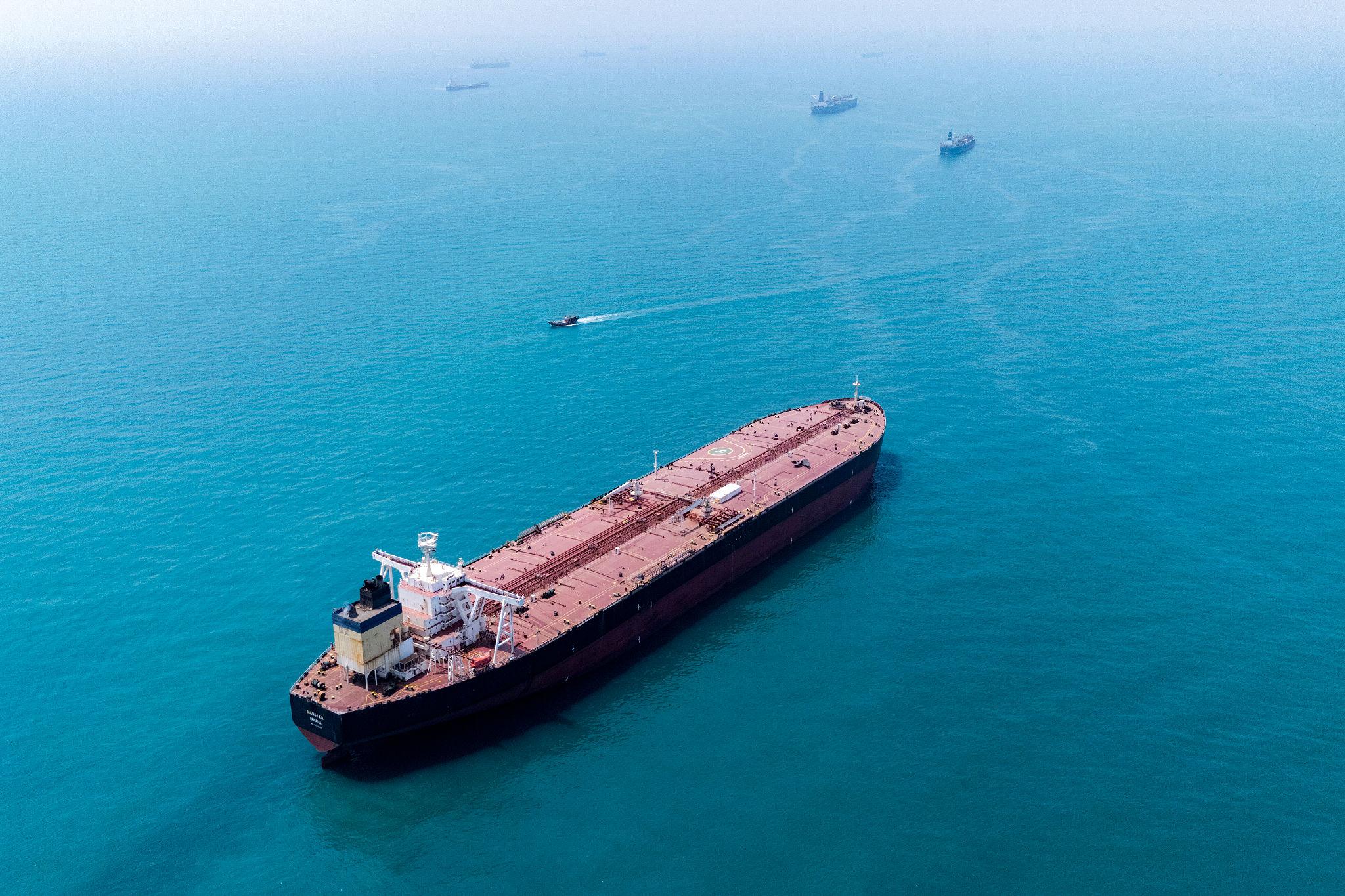
The Strait of Hormuz is a narrow water passage connecting the Persian Gulf to the Arabian Sea. It lies between Iran on one side and Oman and the UAE on the other.
But here’s the real question—
Why does this small stretch of water matter so much to the entire world?
Why the Strait of Hormuz is the World’s Most Critical Oil Route
Let’s simplify it:
- Nearly one-fifth of the world’s oil supply flows through this route
- Major oil exporters like Saudi Arabia, Iraq, Kuwait, and the United Arab Emirates depend on it
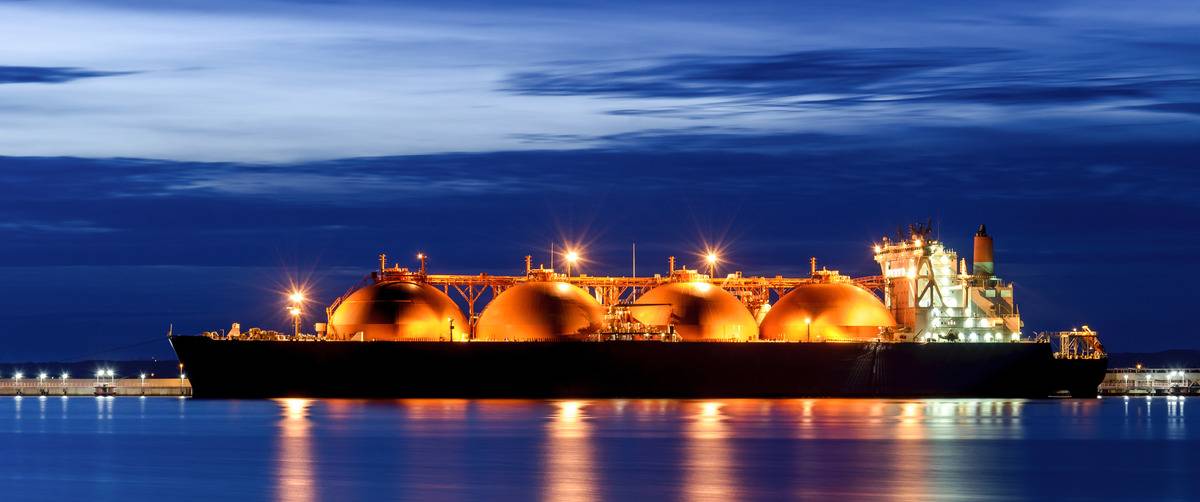
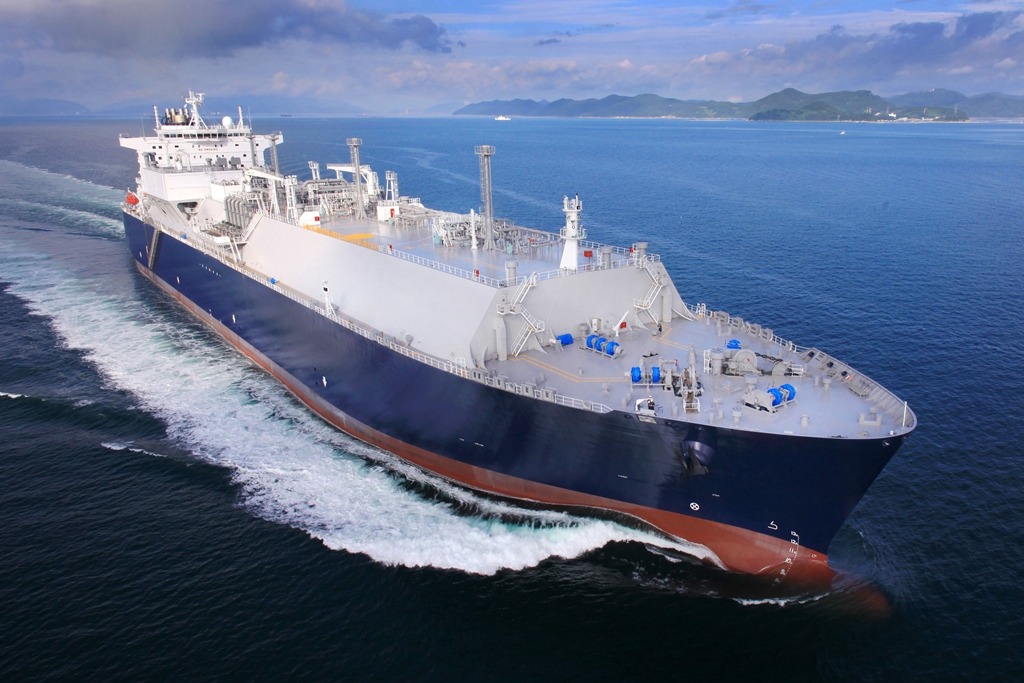
- It is also crucial for LNG exports, especially from Qatar
👉 Now imagine this:
What happens if this route is suddenly blocked?
Fuel prices would skyrocket. Global markets would panic. Supply chains would be disrupted.
Doesn’t that sound like a ripple effect that could reach every household?
Iran–America Conflict: Why the Strait is in Focus Today
The ongoing tensions between Iran and the United States are not just about politics—they are about control, power, and strategic dominance.
Iran has, at several points, hinted at the possibility of blocking the Strait of Hormuz in response to sanctions or military pressure.
Now ask yourself:
Is this just a regional issue—or a global ticking time bomb?
Because:
The United States Navy actively patrols this region
Even minor military movements can trigger global oil price volatility
A single miscalculation could escalate into a wider conflict
This is exactly why #IranUSConflict and #MiddleEastTensions continue to trend globally.
Why This Matters to Countries Like India
For a country like India, the stakes are extremely high. Our dependence on imported fuel is significant, and recent concerns around LPG supply have already created anxiety among the masses.
India imports a large portion of its oil from Gulf countries, and most of it passes through the Strait of Hormuz.
So what does that mean for you?
- Petrol and diesel prices rise
- Inflation increases
- Daily essentials become more expensive
Have you ever wondered why fuel prices suddenly spike even when nothing changes locally?
The answer often lies thousands of kilometers away—in this very strait.
This is why #GlobalOilSupply, #OilPricesSurge, and #EnergyCrisis are becoming more relevant than ever.
What If the Strait of Hormuz is Blocked?
Let’s pause and think—
Can the world function without this route, even temporarily?
The harsh truth is that our daily lives would be deeply affected.
- Alternative routes are limited and expensive
- Oil reserves cannot sustain long-term disruption
- Global economies could face severe instability
In simple terms, the Strait of Hormuz is not just important—
- It is indispensable.
This is why discussions around #StraitOfHormuz are gaining momentum worldwide.
Final Thoughts: A Narrow Passage, A Massive Impact
It’s fascinating, isn’t it?
A narrow waterway, far from our daily lives, has the power to influence:
- The price you pay at the petrol pump
- The cost of groceries
- The stability of global markets
So the next time you hear about rising tensions between Iran and the United States, ask yourself:
Is this just politics—or is it something that could directly impact my everyday life?
Because in today’s interconnected world,
What happens in the Strait of Hormuz doesn’t stay there—it affects us all.
About the Author