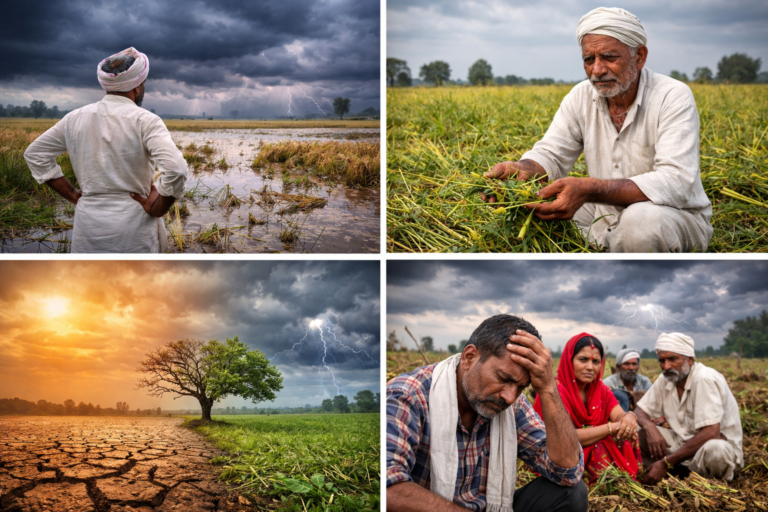
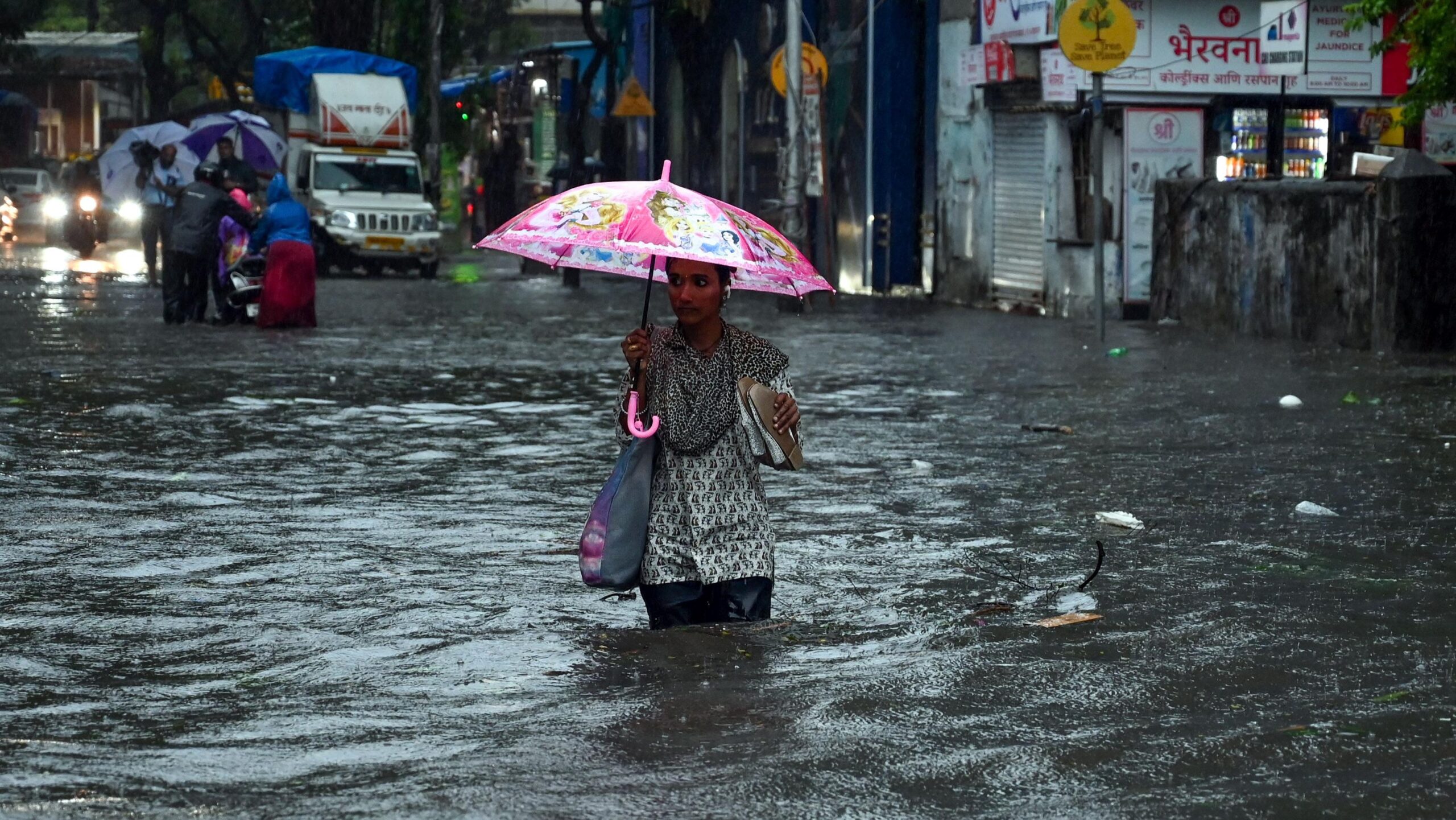
In a surprising turn of events, many parts of India are witnessing unseasonal cold weather in April. The days may still feel slightly warm, but the nights have suddenly turned cooler. Usually, this time of the year marks the beginning of intense summer heat. However, recent days have brought cloudy skies, unexpected rainfall, and a noticeable drop in temperature across several regions.
This sudden weather change in India has not only disrupted daily routines but has also raised serious concerns among farmers, environmentalists, and policymakers. Although many people are enjoying this temporary relief from heat, it is important to understand that such changes can be harmful in the long run.
What Is Causing This Sudden Weather Change in India?
The primary reason behind this unusual shift is a combination of western disturbances, cyclonic circulations, and climate change in India. Typically, western disturbances affect during winter. However, this year, they have remained active even in April.
As a result, many states are experiencing:
- Sudden rainfall
- A drop in temperature
- Strong winds and thunderstorms
In addition, the growing impact of global climate change has made seasonal patterns less predictable. Weather cycles are no longer following their traditional timelines, which is why such unexpected conditions are becoming more frequent.
Regions Experiencing Cold Weather in April
This unusual April weather in India is being observed across multiple regions:
North India
States like Uttar Pradesh, Delhi, Punjab, and Haryana are experiencing cooler mornings and nights, along with unseasonal rain. The weather feels more like late winter than early summer.
Hill States
In Himachal Pradesh and Uttarakhand, temperatures have dropped further. Some higher-altitude areas have even reported light snowfall, delaying the arrival of warmer days
Central India
Regions in Madhya Pradesh and Chhattisgarh have witnessed thunderstorms and fluctuating temperatures, creating unstable weather conditions.
Eastern and Western India
States such as West Bengal and Maharashtra have also experienced cloudy skies and sudden rainfall, which is unusual for this time of the year.
Impact on Crops and Farmers
While this cool weather may feel pleasant, it is creating serious problems for the agricultural sector.
Crop Damage
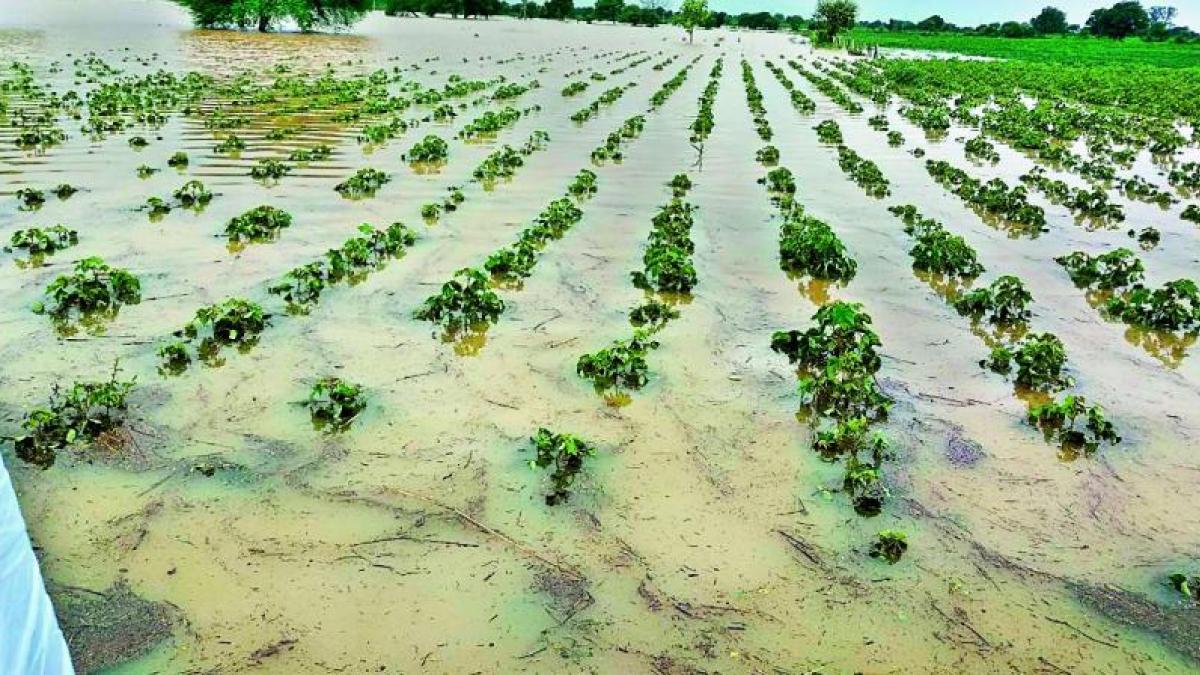
Unseasonal rain and strong winds are damaging standing crops such as:
- Wheat
- Mustard
- Pulses
In many areas, farmers were ready to harvest their crops. However, sudden rainfall has increased the chances of spoilage and reduced crop quality.
Financial Loss
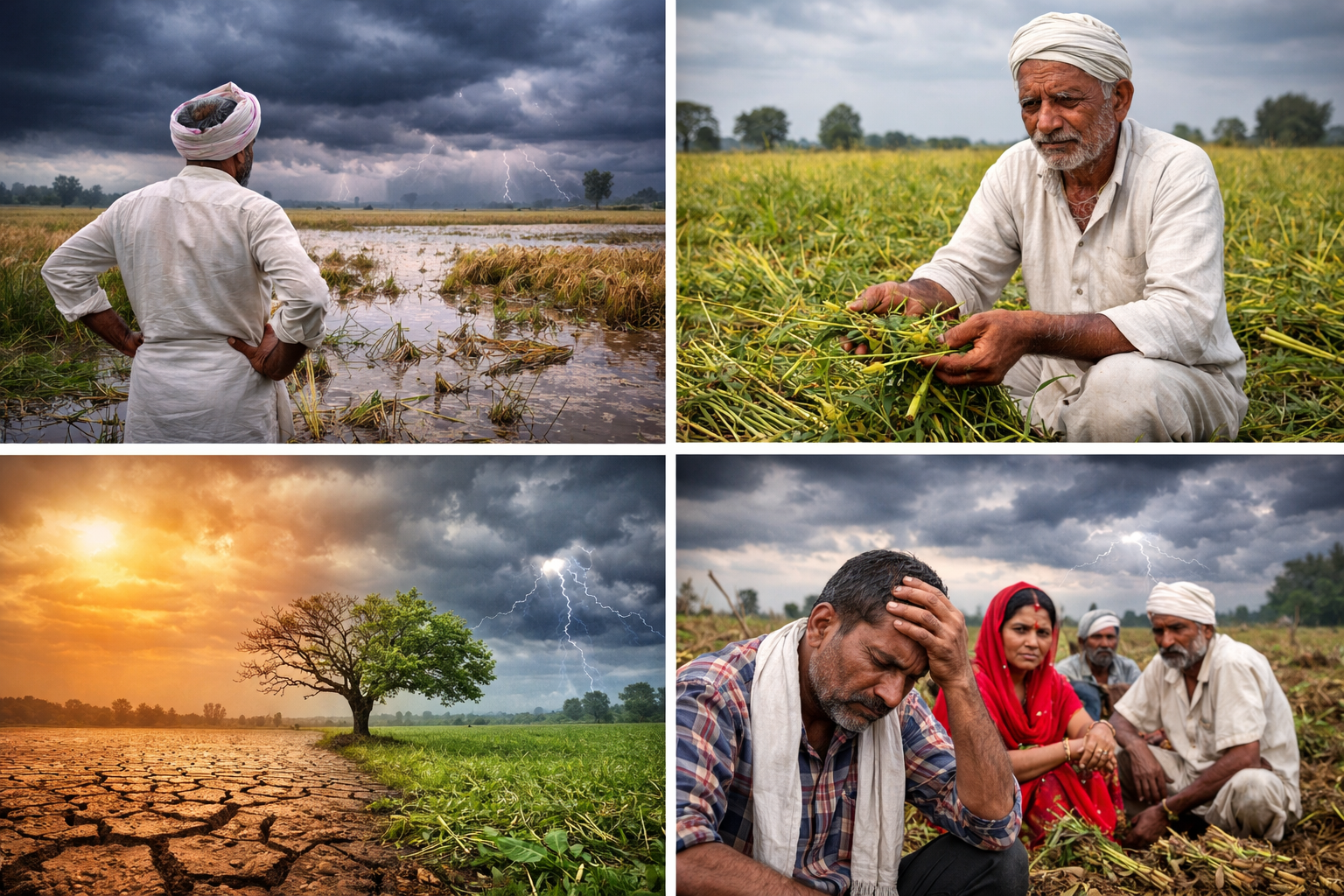
For farmers, this situation brings stress and uncertainty. After months of hard work, even a few days of extreme weather can lead to heavy financial losses. Farmers are already under pressure, and this unexpected change has added to their worries.
Growth Disruption
Temperature fluctuations also disturb crop growth cycles. Crops that need stable heat may not mature properly, which can reduce overall production.
Environmental Impact of Sudden Weather Changes
This sudden climate shift in India is not just a temporary issue. It points to deeper environmental concerns.
Climate Imbalance
Frequent and unpredictable weather changes indicate that natural climate patterns are being disturbed.
Increased Risk of Disasters
Such instability can increase the chances of floods, storms, and droughts in the future.
Ecosystem Disruption
Plants, animals, and insects depend on stable seasonal cycles. Sudden changes can disturb biodiversity and natural balance.
Why This Should Concern Us
At first, a cooler April may seem like a welcome break from the heat. However, this is not normal. It is a clear sign of environmental imbalance and climate change.
Moreover, the impact is not equal for everyone. While city life may continue with minor adjustments, farmers and rural communities face the biggest challenges. Many farmers are in immense tension, constantly worrying about what will happen to their crops and livelihoods.
Conclusion
The sudden cold weather in India during April is more than just an unusual climate event—it is a warning sign. From North India to central and eastern regions, the effects are clearly visible.
Although it offers short-term relief from rising temperatures, the long-term consequences are serious. Crop damage, financial losses, and environmental imbalance highlight the urgency of the situation.
Therefore, there is a strong need for better weather forecasting, sustainable farming practices, and stronger support systems for farmers. Only then can we adapt to these changing conditions.
In the end, this unexpected chill is not just about weather—it is about the future of our environment and the well-being of those who feed the nation.
#UnseasonalWeather #IndiaWeather #ClimateChange #FarmersIndia #CropDamage #AgricultureCrisis #GlobalWarming #ClimateCrisis #WeatherUpdate #SustainableFarming #FoodSecurity #IndiaNews
About the Author