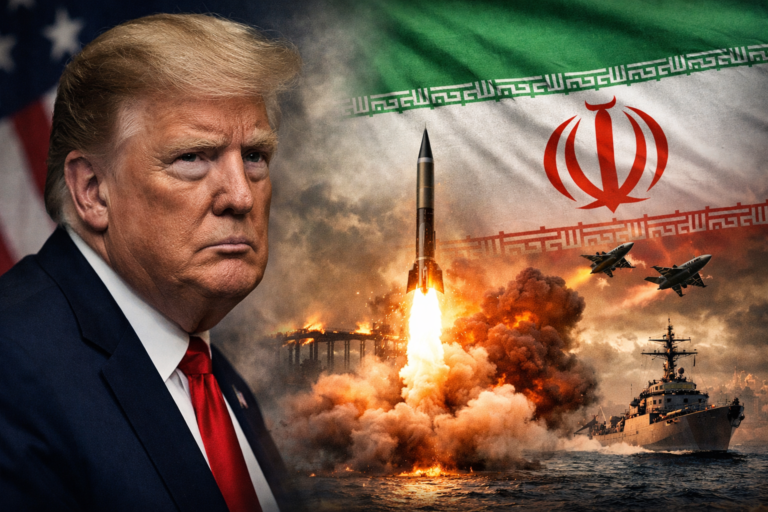
Wipe Out Whole Civilization: In recent days, global attention has sharply turned toward Donald Trump’s statements on Iran, especially after a controversial tweet in which he allegedly warned that Iran could face devastating consequences. In particular, his remark about potentially “wiping out a whole civilization” has been widely discussed and criticized.
Such a statement is not just strong—it is deeply alarming. Naturally, the world is closely watching what could happen next. Governments, analysts, and ordinary citizens are all trying to understand whether this is a serious threat or simply a pressure tactic.
While political leaders often use bold language, this time the reaction has been very different. Many believe that such statements—especially when amplified through social media—can increase geopolitical tension, spread fear, and trigger instability. Therefore, an important question arises: Have political tweets become too dangerous in today’s fragile global climate?
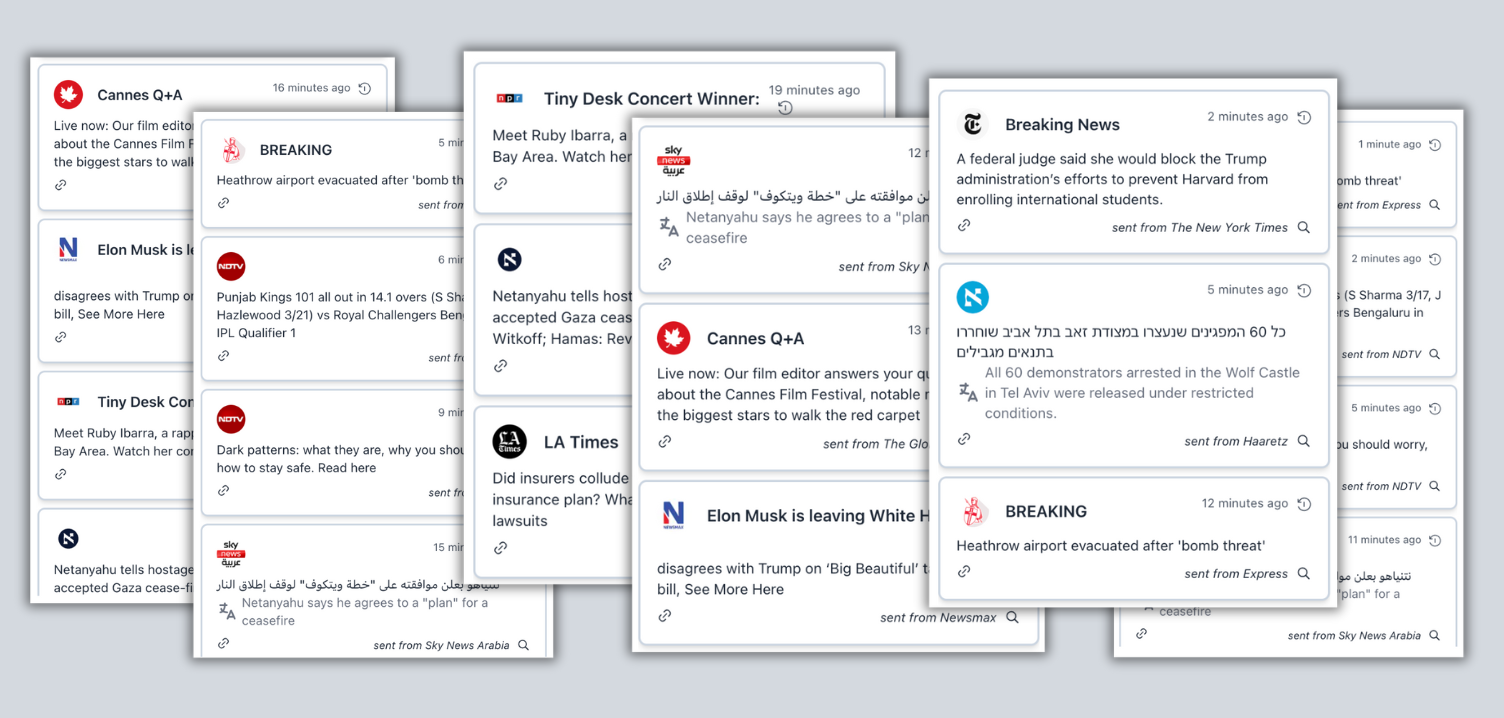
Trump’s Tweet and Its Global Impact
The tweet in question suggested extreme consequences if Iran failed to meet certain conditions. Although it may have been intended as a strategic warning, the wording has been widely criticized for being aggressive, provocative, and potentially harmful.
In today’s digital world, a single tweet can reach millions within minutes. As a result, when a global leader uses such intense language, it quickly turns into more than just a statement—it becomes a global signal.
- Financial markets react almost instantly
- Oil prices begin to fluctuate
- Governments prepare for possible escalation
In fact, there are growing concerns that such statements could even impact stock markets and investor confidence, especially in sensitive sectors like energy and trade.
Moreover, critics argue that these tweets blur the line between diplomacy and provocation, making an already tense situation even more unstable.
Deadlines, Warnings, and a Touch of Predictable Drama
Interestingly, Trump’s approach toward Iran has not only been aggressive but also somewhat repetitive. Over time, he has issued multiple deadlines, each described as “final” or “non-negotiable.”
However, observers have noticed a pattern. These deadlines often come with strong language, followed by shifts in tone or delayed action. Because of this, analysts sometimes view these warnings with a mix of seriousness and cautious humor.
The pattern often looks like this:
- A strong warning is announced
- A strict deadline is set
- Global concern rises rapidly
Then, negotiations or delays follow
While this cycle may seem confusing, it reflects a strategy that combines pressure, unpredictability, and negotiation tactics.
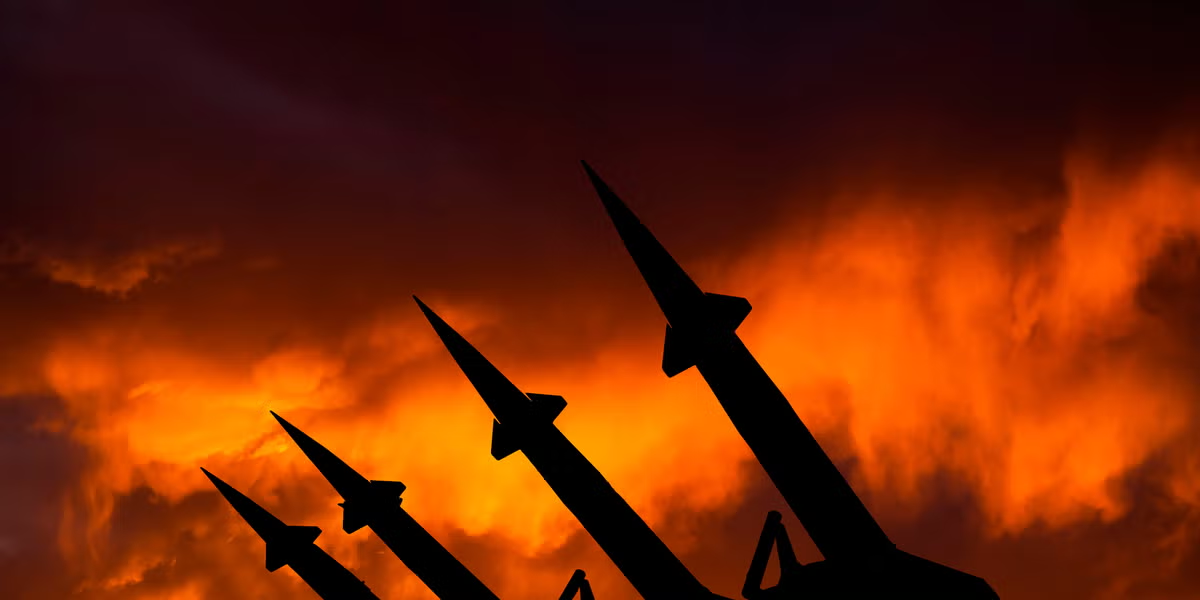
Global Reaction: Concern, Caution, and Strategic Silence
World Leaders’ Response
Countries like India, China, and European nations have responded carefully. They have emphasized the importance of peaceful dialogue, diplomatic solutions, and restraint. Most nations are avoiding direct involvement while closely monitoring the situation.
Economic Concerns
Global markets have reacted with caution. The Strait of Hormuz, a crucial oil supply route, remains at the center of concern. Any escalation could lead to rising fuel prices, affecting economies worldwide.
Public Sentiment
Public opinion is divided. While some support a strong stance, many people believe that such statements are irresponsible and dangerous, especially when they involve large-scale destruction.
Iran’s Response: Prepared Yet Defiant
Iran has responded firmly and has made it clear that it will not accept external pressure.
- Officials have rejected the warnings and deadlines
- Strong statements about retaliation have been issued
- Security measures around key locations have reportedly increased
There are also circulating reports suggesting that authorities have issued advisories urging caution among citizens. Additionally, some discussions mention symbolic acts such as human chains near critical infrastructure like power plants, reflecting unity and resistance.
However, it is important to note that not all such reports are officially confirmed. Still, one thing is clear—Iran is not backing down easily.
Why Such Tweets Are Considered Dangerous
- Risk of Escalation
Strong public statements can push both sides into a situation where stepping back becomes difficult without losing credibility.
- Global Anxiety
These messages create uncertainty not just in the Middle East, but across the entire world. Countries dependent on oil imports feel the pressure immediately.
Power of Social Media
Unlike traditional diplomacy, tweets spread instantly and are often interpreted differently by different audiences. This increases the chances of miscommunication and overreaction.
A Balanced Perspective
While it is easy to criticize such statements, it is also important to understand that strong language can sometimes be used as a negotiation strategy. Leaders may use public pressure to push for quicker agreements.
However, there is a very thin line between strategy and escalation. In sensitive conflicts like the Iran–US tension, even a small misstep can lead to serious consequences.
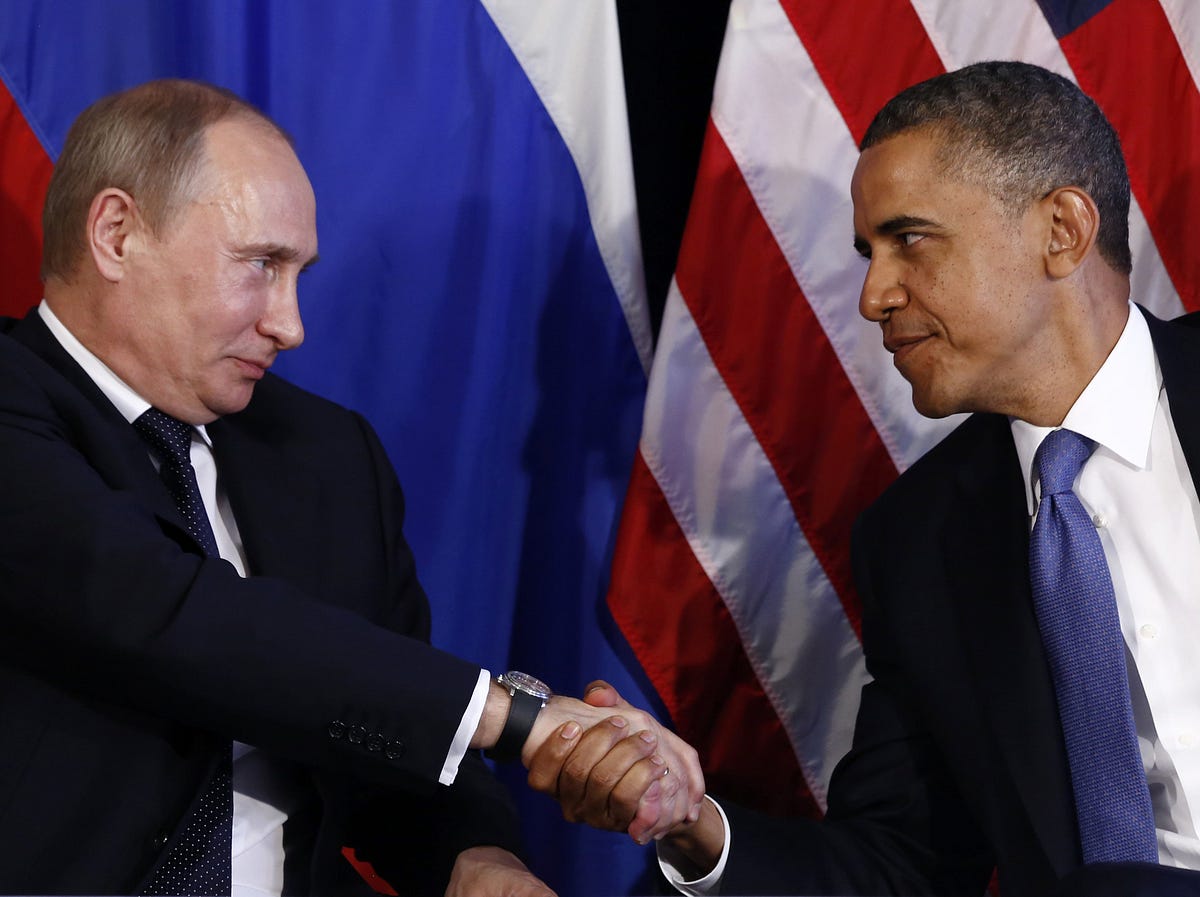
Conclusion
The controversy surrounding Trump’s tweet about Iran highlights a much larger issue—the growing influence and risk of political communication in the digital era.
Whether these statements are real threats or strategic pressure tactics, their impact is undeniable. They affect global markets, shape international relations, and increase geopolitical tension.
At present, the situation remains uncertain. While no confirmed military action has taken place, the combination of strong rhetoric, strict deadlines, and firm responses makes the environment highly volatile.
In the end, the world is watching closely. People everywhere are hoping that dialogue will win over conflict and that powerful voices will act with responsibility. Because in today’s interconnected world, even a few words can influence the course of global events.
#Geopolitics #GlobalTensions #WorldPolitics #InternationalRelations #MiddleEast #Diplomacy #GlobalSecurity #Iran #USA #USIran #IranConflict #Trump #DonaldTrump #IranCrisis
About the Author