
David Gross and the Legacy of Modern Physics: Why His Work Still Shapes Science Today
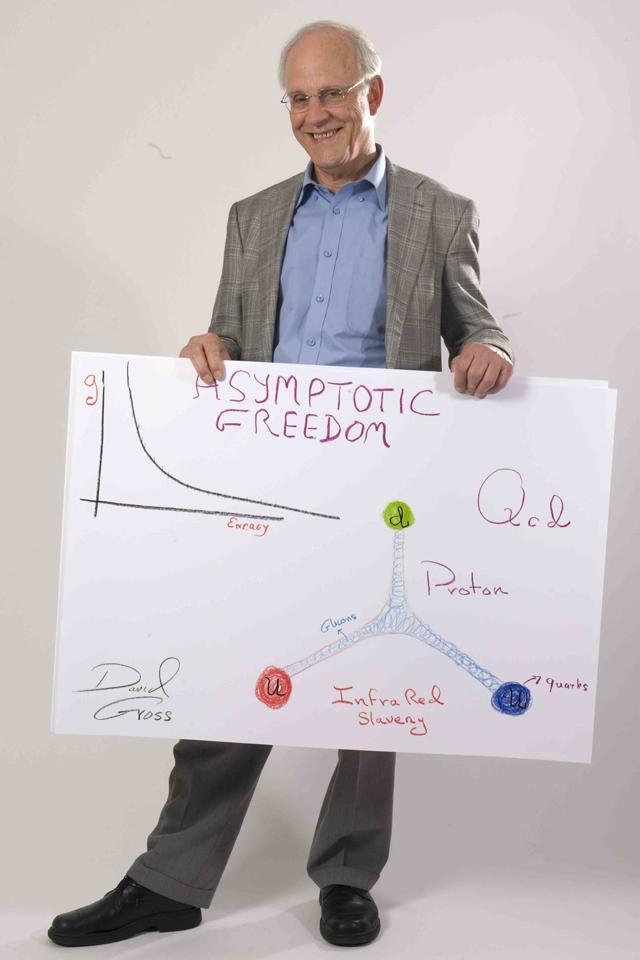
In the world of theoretical physics, few names carry as much weight as David Gross. Best known for co-discovering a groundbreaking principle in particle physics, Gross has played a pivotal role in reshaping how scientists understand the fundamental forces of nature. Decades after his most celebrated work, his influence continues to ripple across research labs, universities, and cutting-edge experiments around the globe.
The Discovery That Changed Physics
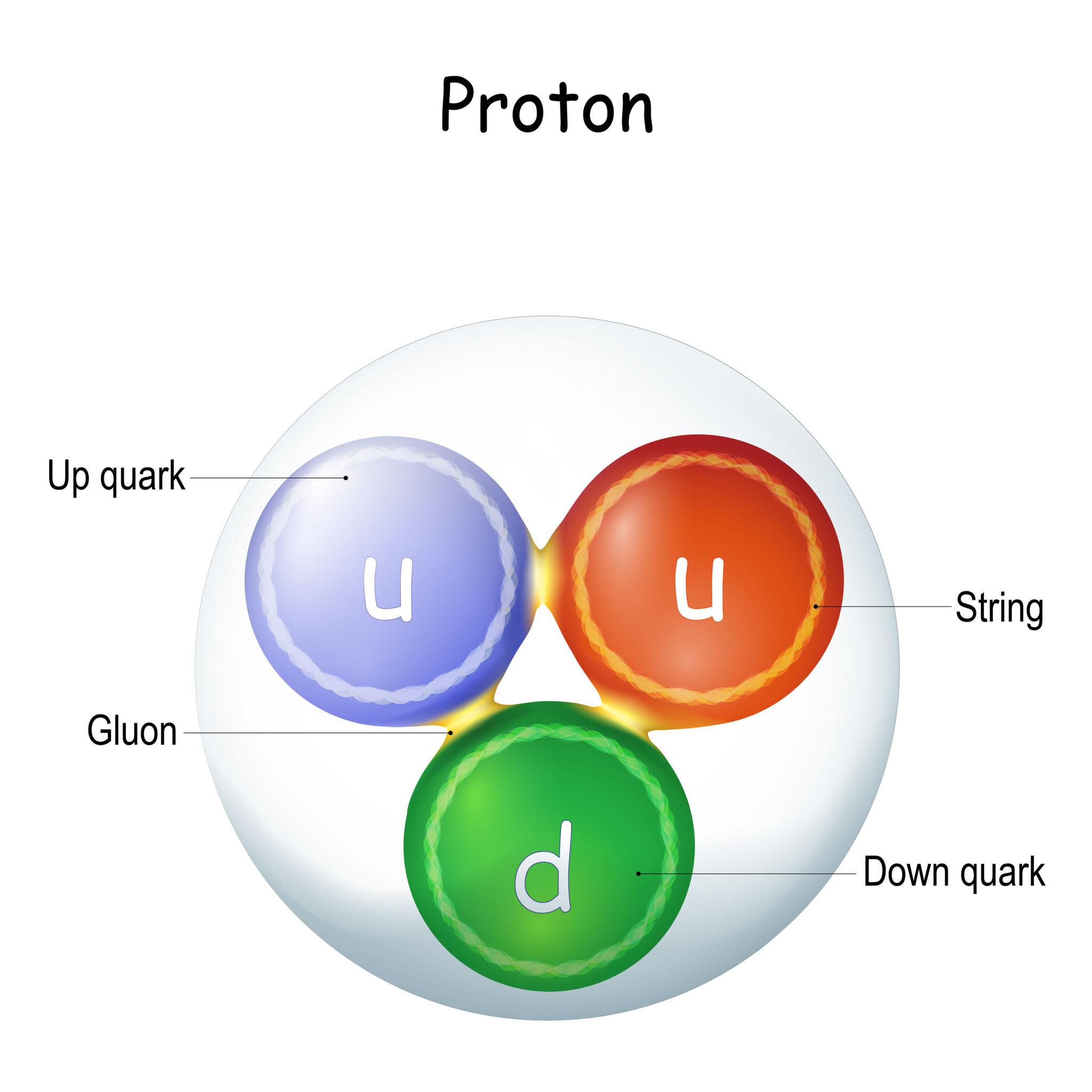
In 1973, David Gross, alongside Frank Wilczek and Hugh David Politzer, uncovered a phenomenon known as asymptotic freedom. This discovery fundamentally altered the understanding of how quarks—the building blocks of protons and neutrons—interact.
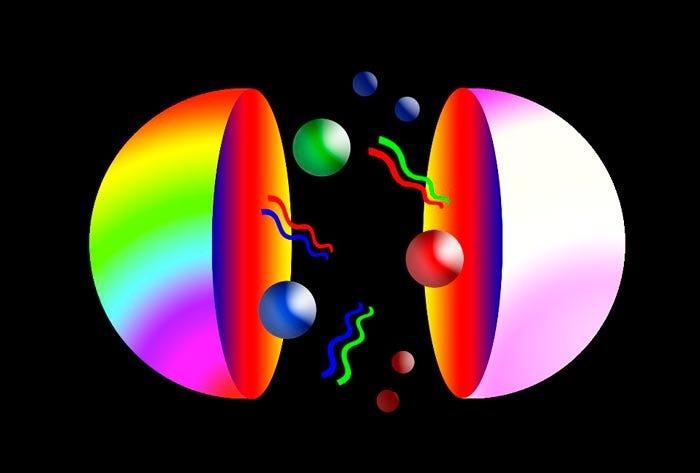
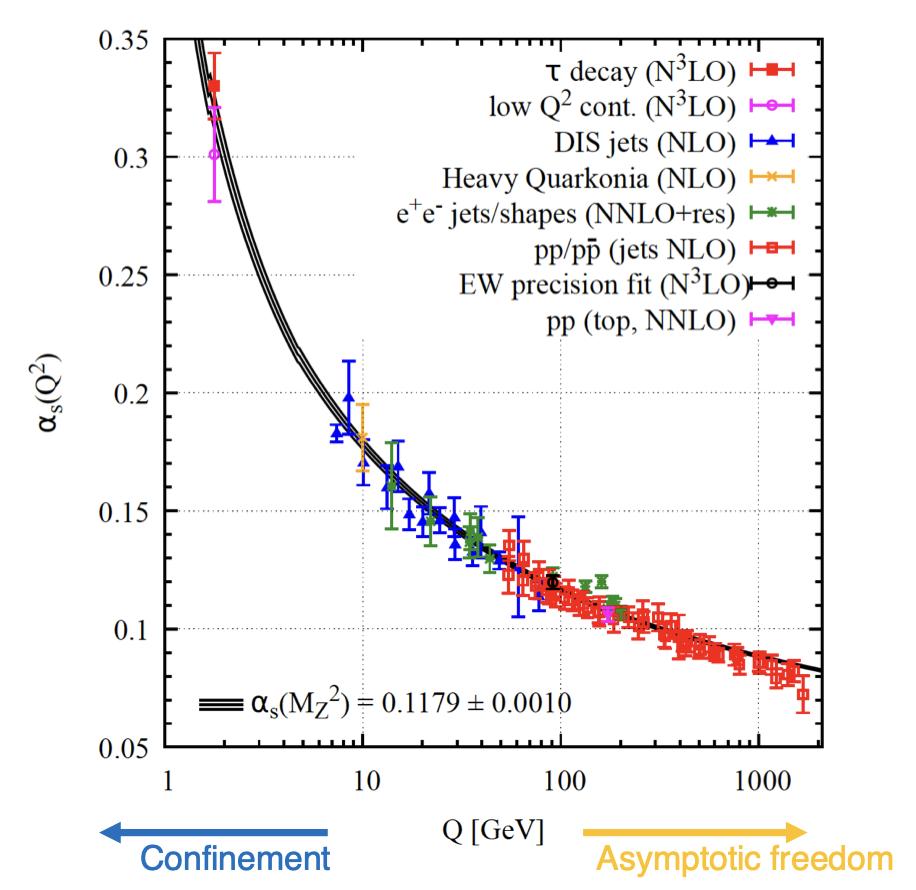
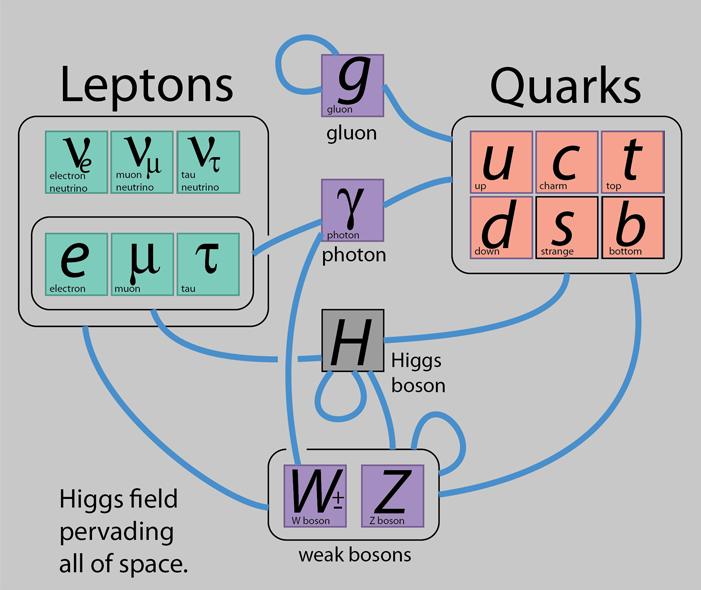
Before their work, scientists struggled to explain why quarks behaved almost like free particles at extremely high energies. Gross and his colleagues demonstrated that the force between quarks actually becomes weaker as they get closer together. This insight became a cornerstone of Quantum Chromodynamics, the theory that describes the strong nuclear force.
Their breakthrough earned them the 2004 Nobel Prize in Physics, cementing their place in scientific history.
A Career Beyond One Discovery
While asymptotic freedom remains his most famous contribution, David Gross’s career extends far beyond a single achievement. He has been deeply involved in advancing string theory, an ambitious framework that attempts to unify all fundamental forces, including gravity, into one coherent model.
Gross has also served as a leading voice in the global scientific community, holding positions at prestigious institutions such as the Kavli Institute for Theoretical Physics and contributing to international collaborations that push the boundaries of human knowledge.
Influence on Modern Research
Today, the principles discovered by Gross and his collaborators are essential to experiments conducted at facilities like the CERN. The Large Hadron Collider, for instance, relies heavily on Quantum Chromodynamics to interpret high-energy particle collisions.
Without asymptotic freedom, many of the predictions tested in these experiments would lack a solid theoretical foundation. In that sense, Gross’s work is not just historical—it is actively shaping current discoveries in particle physics.
A Voice for the Future of Science
Beyond research, David Gross has been an outspoken advocate for scientific progress. He often emphasizes the importance of curiosity-driven research and warns against short-term thinking in funding and policy decisions.
He has also highlighted the need for international collaboration, especially in an era where scientific challenges—from climate change to quantum computing—require global cooperation.
Why David Gross Still Matters
In an age of rapid technological advancement, the contributions of theoretical physicists like David Gross remind us that progress often begins with abstract ideas. His work on asymptotic freedom didn’t just solve a theoretical puzzle—it laid the groundwork for decades of innovation in physics.
As new generations of scientists explore the unknown, the legacy of David Gross continues to guide their path, proving that even the most complex ideas can have a lasting, transformative impact on our understanding of the universe.
About the Author