Sridhar Vembu Warns Engineers: “AI Replacing Programmers” Is Real—Here’s How to Survive.
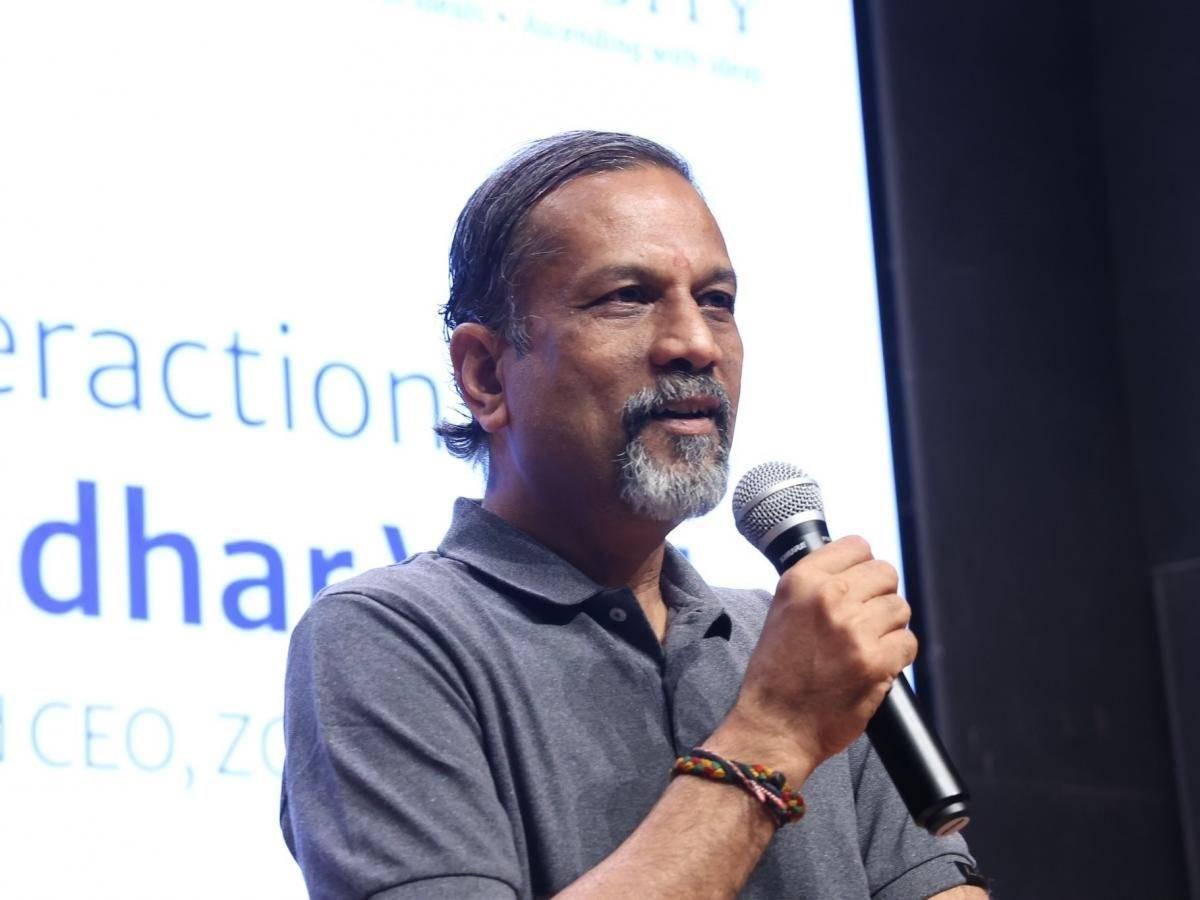
As fears around AI replacing programmers grow louder, Sridhar Vembu, CEO of Zoho Corporation, has delivered one of the most direct—and controversial—messages to software engineers in 2026.
Drawing from his recent posts and interviews, Vembu is not dismissing the threat. Instead, he’s urging engineers to prepare for a fundamental shift in how programming—and careers—will work in the AI era.
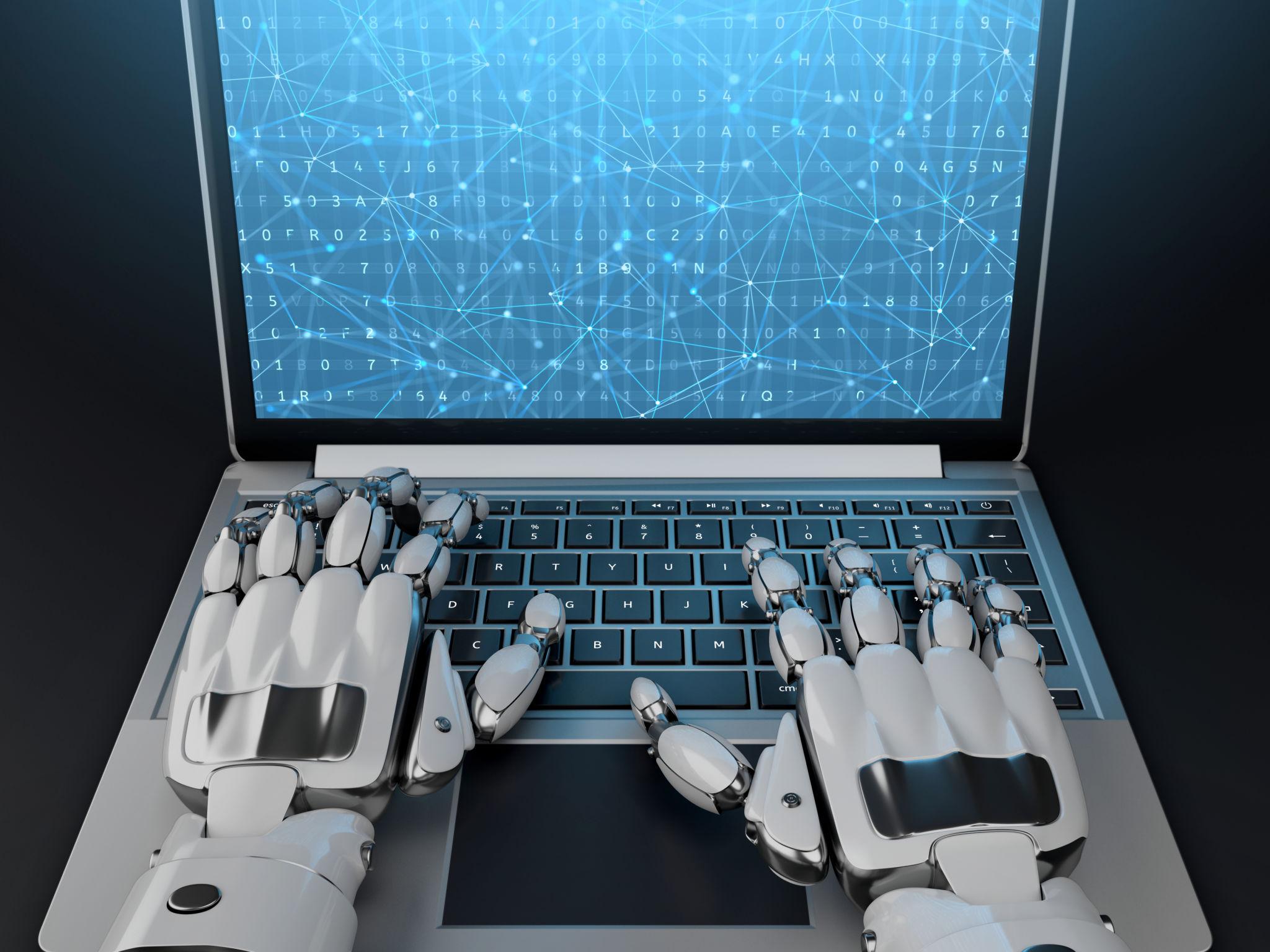
“I Include Myself”: A Stark Warning to Coders
In a widely discussed post on X (formerly Twitter), Vembu made it clear that even experienced developers are not immune to disruption.
“At this point, it is best…to start considering alternative livelihoods. I include myself.”
He added that this isn’t fear-mongering, but realism:
“I don’t say this in panic, but with calm acceptance.”
The message signals a shift from denial to acceptance in the tech industry—AI is not coming; it’s already reshaping jobs.
Programming Alone Is No Longer Enough
While AI replacing programmers is a trending concern, Vembu clarifies that coding itself isn’t dead—but it’s no longer sufficient.
Recent insights from his statements highlight that:
- Programming remains a “foundation” skill
- But domain expertise and real-world problem solving now matter more
In simple terms, writing code is becoming easier. Understanding why and what to build is becoming harder—and more valuable.
AI Is Already Changing Who Gets Hired
Vembu has also pointed out a structural shift in hiring and productivity:
Senior engineers can “guide the AI and fine tune its output.”
This means:
- Senior talent becomes more powerful
- Junior, routine coding roles may shrink
The implication is clear: engineers must move up the value chain or risk being replaced by automation.
The “Alternative Livelihoods” Debate
One of Vembu’s most debated remarks is his suggestion that coders rethink their career paths altogether.
“Those of us who depend on writing code…should start considering alternative livelihoods.”
This doesn’t necessarily mean quitting tech—but it does mean:
- Expanding beyond pure coding
- Building interdisciplinary skills
- Exploring adjacent roles or industries
His comments sparked backlash online, but also triggered an important industry-wide discussion about job security.
From Writing Code to Owning Outcomes
Experts analyzing Vembu’s statements say the real shift is deeper than job loss fears:
- The focus is moving from code generation → outcome ownership
- AI can write code
- Humans must ensure it works in real-world systems
This includes:
- Reliability
- Security
- Compliance
- Customer value
These are areas AI still struggles to fully automate.
The Survival Guide for Engineers in the AI Era
Based on Vembu’s insights, here’s what engineers should do to stay relevant:
1. Build Deep Domain Expertise
AI can code—but it doesn’t understand industries like healthcare, finance, or manufacturing deeply.
2. Strengthen Fundamentals
Core computer science knowledge still matters more than ever.
3. Learn to Work With AI, Not Against It
Engineers who can guide AI tools will outperform those who compete with them.
4. Focus on Real-World Value
Customers pay for outcomes—not code.
5. Stay Adaptable
As Vembu himself emphasized, survival depends on the ability to adapt to change.

Is AI Really Replacing Programmers?
The answer isn’t black and white.
While Vembu has warned about job disruption, he has also acknowledged that engineers won’t disappear entirely. Instead, their role will evolve—from coders to thinkers, designers, and decision-makers.
The Bottom Line
The conversation around AI replacing programmers is no longer hypothetical. According to Sridhar Vembu, the shift is already happening—and ignoring it is the biggest risk.
His advice is blunt but practical:
Don’t rely on coding alone. Build deeper skills, think beyond syntax, and prepare for a future where understanding beats execution.
About the Author