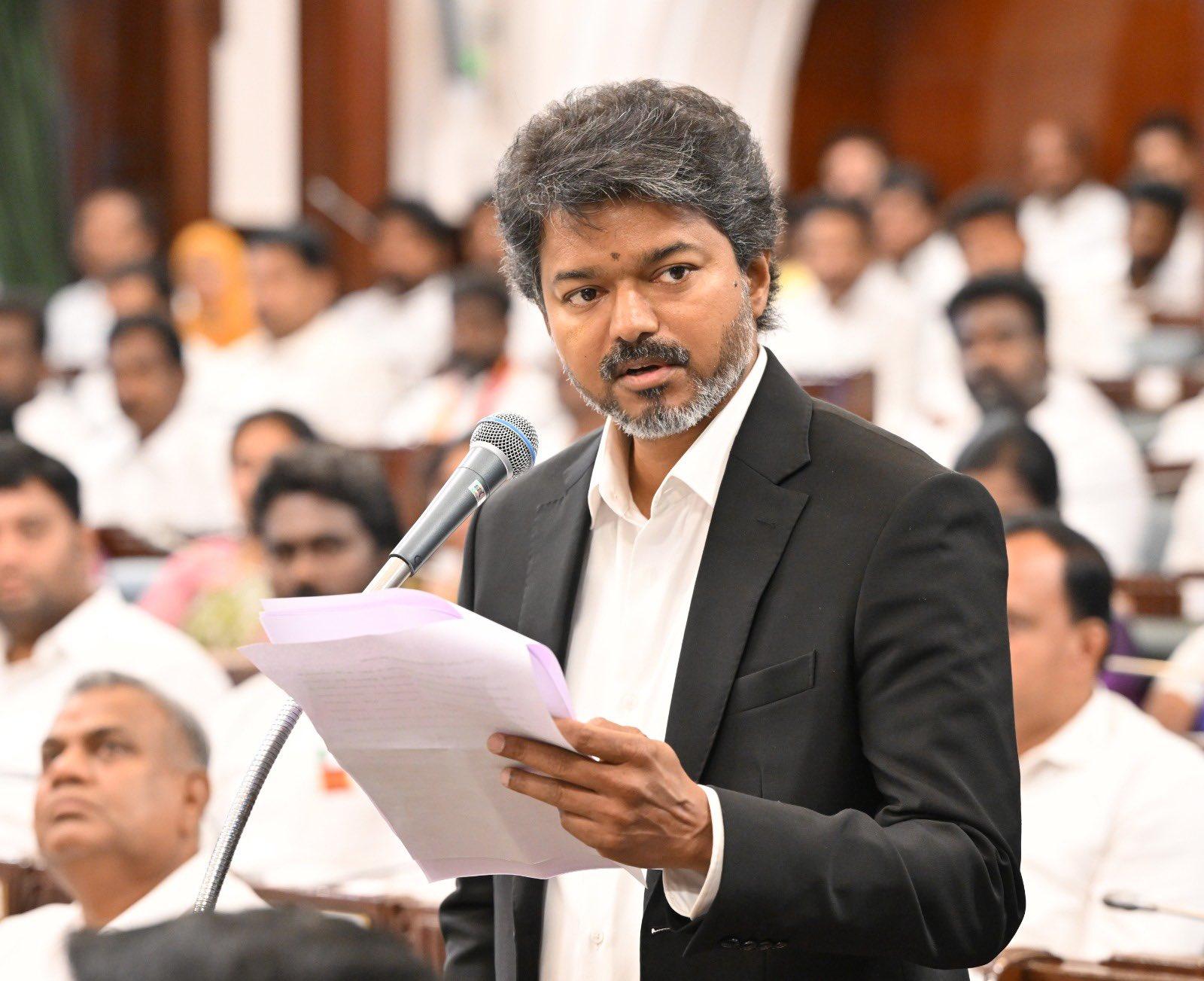
Chennai, August 8: Tamil Nadu politics witnessed another major flashpoint after the DMK boycott Vijay delimitation meeting officially boycotted Chief Minister C. Joseph Vijay’s all-party Members of Parliament (MPs) meeting on the contentious issue of parliamentary delimitation. The move has intensified political tensions as parties continue to differ over how the state should respond to the proposed Delimitation Bill.
The meeting was convened to build a common stand among Tamil Nadu MPs on the delimitation issue, which many regional parties believe could significantly affect the state’s parliamentary representation. However, the absence of the DMK, along with the AIADMK, became the biggest talking point of the day.
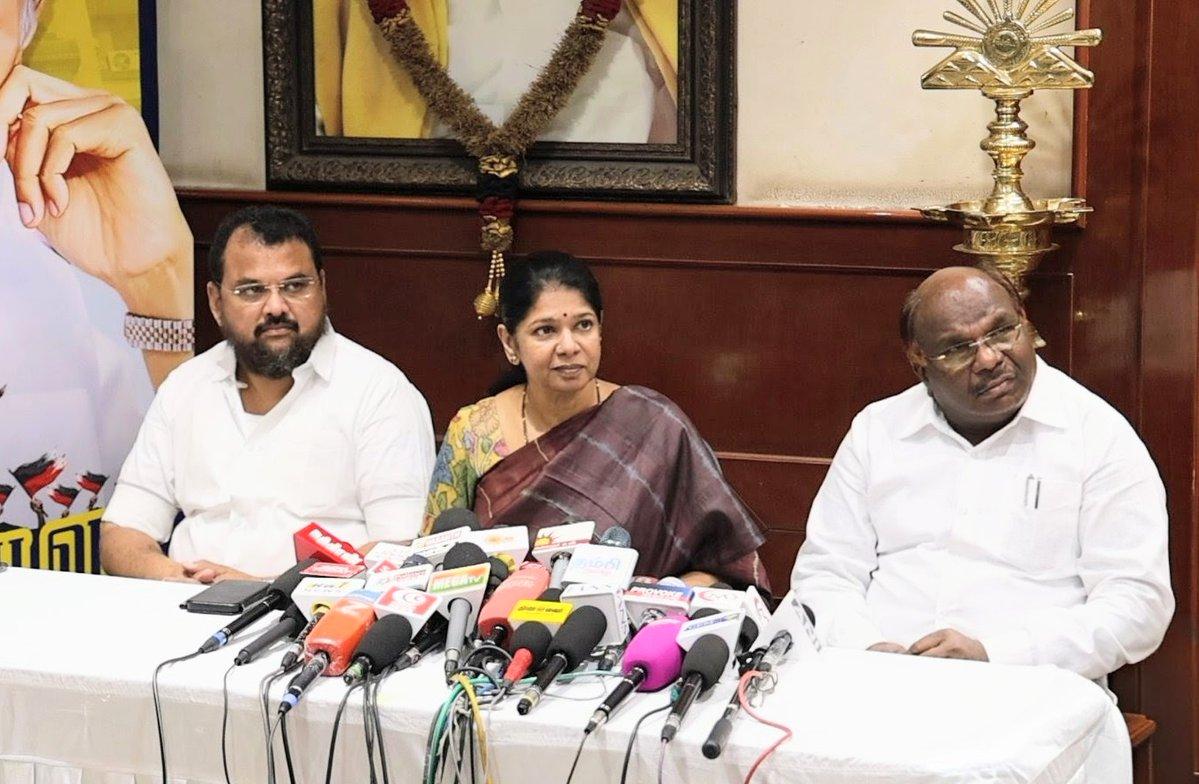
Why Did the DMK Boycott the Meeting?
The DMK boycott Vijay delimitation meeting described the meeting as a “political drama”, arguing that the consultation lacked credibility and accusing the ruling leadership of attempting to gain political mileage from a sensitive constitutional issue rather than building genuine consensus.
Party leaders maintained that delimitation remains a serious national issue but insisted that symbolic meetings would not resolve concerns regarding Tamil Nadu’s future parliamentary representation.
Vijay Pushes for a Unified Stand
Despite the boycott, Chief Minister Vijay went ahead with the consultation. Reports indicate that 21 of Tamil Nadu’s 57 MPs attended the meeting, where participating members unanimously opposed the proposed Delimitation Bill and expressed concerns about its possible impact on the state’s political representation.
The meeting aimed to present a united voice from Tamil Nadu before any parliamentary developments on the issue.
Political Reactions Intensify
The boycott immediately triggered sharp political exchanges.
Tamil Nadu Minister A. Rajmohan criticized the DMK’s decision, alleging that the party skipped the meeting to accommodate its “new friends,” a remark widely seen as a political attack amid changing alliances in the state.
The exchange highlights how the delimitation debate has evolved beyond constitutional concerns into a broader political contest between major parties.
Why the Delimitation Issue Matters
Delimitation refers to the redrawing of parliamentary and assembly constituency boundaries based on population data.
Several political parties in Tamil Nadu have expressed concerns that any future exercise could alter the state’s share of parliamentary seats, potentially affecting its political influence at the national level. The issue has therefore become one of the most debated political subjects in the state.
What Happens Next?
With major opposition parties staying away from Vijay’s consultation, political consensus on the delimitation issue appears increasingly difficult.
Observers believe the debate will continue both inside and outside Parliament, with Tamil Nadu’s parties expected to intensify their campaigns as discussions over the Delimitation Bill move forward.
Whether the boycott strengthens the DMK’s political messaging or boosts Vijay’s leadership narrative will become clearer in the coming weeks.
About the Author