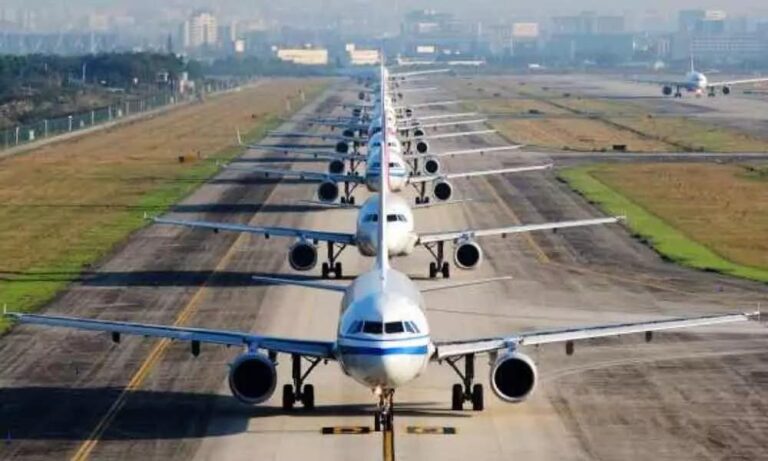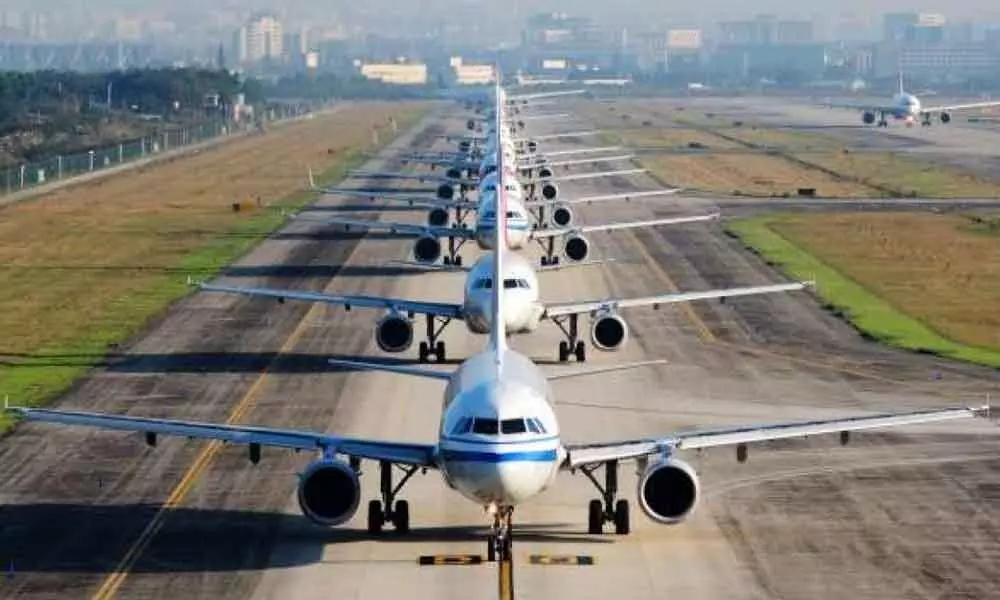
A wave of flight cancellations and delays is sweeping across Asia, disrupting travel plans for thousands of passengers as airlines grapple with rising fuel costs, geopolitical tensions, and operational constraints.
Widespread Disruptions Hit Major Asian Routes
Air travel across Asia has entered a turbulent phase, with hundreds of flights cancelled and thousands delayed in recent weeks. Reports indicate that over 500 flights have been cancelled and more than 6,000 delayed across key hubs in Asia and the Middle East, affecting both domestic and international travel.
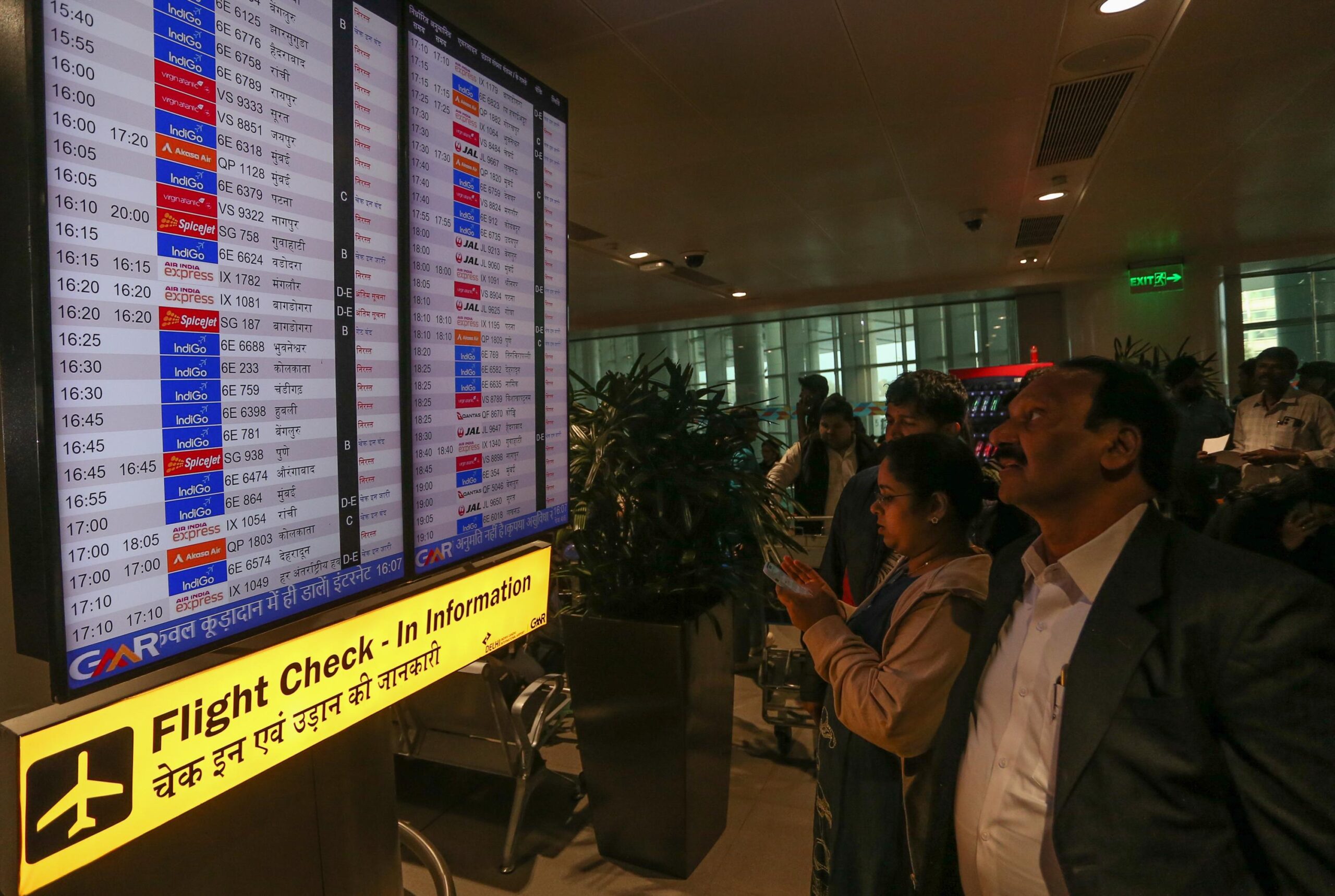
Major airports in cities such as Mumbai, Delhi, Bangkok, Jakarta, and Hong Kong have witnessed severe congestion and schedule disruptions, stranding passengers and forcing last-minute itinerary changes. Earlier in 2026, a single-day crisis saw over 4,200 delays across 17 airports, highlighting the scale of the issue.
Key Reasons Behind Flight Cancellations and Delays
1. Soaring Jet Fuel Prices
One of the primary drivers behind the disruption is the sharp rise in aviation fuel costs. The ongoing conflict in the Middle East has disrupted supply routes, particularly through the Strait of Hormuz, pushing fuel prices significantly higher.
Airlines such as Cathay Pacific have already announced flight cuts between May and June 2026, citing unsustainable operating costs.
Budget carriers like AirAsia X have also reduced services and increased fares, with some routes seeing price hikes of up to 40%.
2. Geopolitical Tensions and Airspace Restrictions
The ongoing conflict in West Asia has forced airlines to reroute flights, avoid certain airspaces, and cancel services altogether.
Indian carriers alone have reportedly cancelled over 10,000 flights to West Asia since late February 2026, significantly reducing connectivity in the region.
Additionally, global airlines are adjusting networks—some reducing Middle East routes while increasing capacity to Asia and Africa.
3. Weather and Operational Constraints
Weather disruptions continue to add pressure on already strained systems. For instance, severe winds in Sydney recently led to dozens of flight cancellations and delays, showing how weather events can quickly escalate into broader regional disruptions.
4. Airport Congestion and Capacity Issues
Asia’s aviation infrastructure is struggling to keep up with post-pandemic demand. Many airports are operating near or beyond capacity, contributing to delays and operational bottlenecks.
Airlines Scaling Back Operations
Multiple airlines across Asia and beyond are proactively reducing flight schedules to manage costs and uncertainty.
- Cathay Pacific: Cutting ~2% of flights; subsidiary HK Express cutting ~6%
- AirAsia X: Reducing ~10% of flights and increasing fares
- Other global carriers have also announced widespread cuts due to fuel shortages and reduced demand
These measures are expected to continue through mid-2026, with uncertainty lingering over fuel supply and geopolitical developments.
Impact on Passengers and Travel Industry
The ongoing disruption has had a cascading impact:
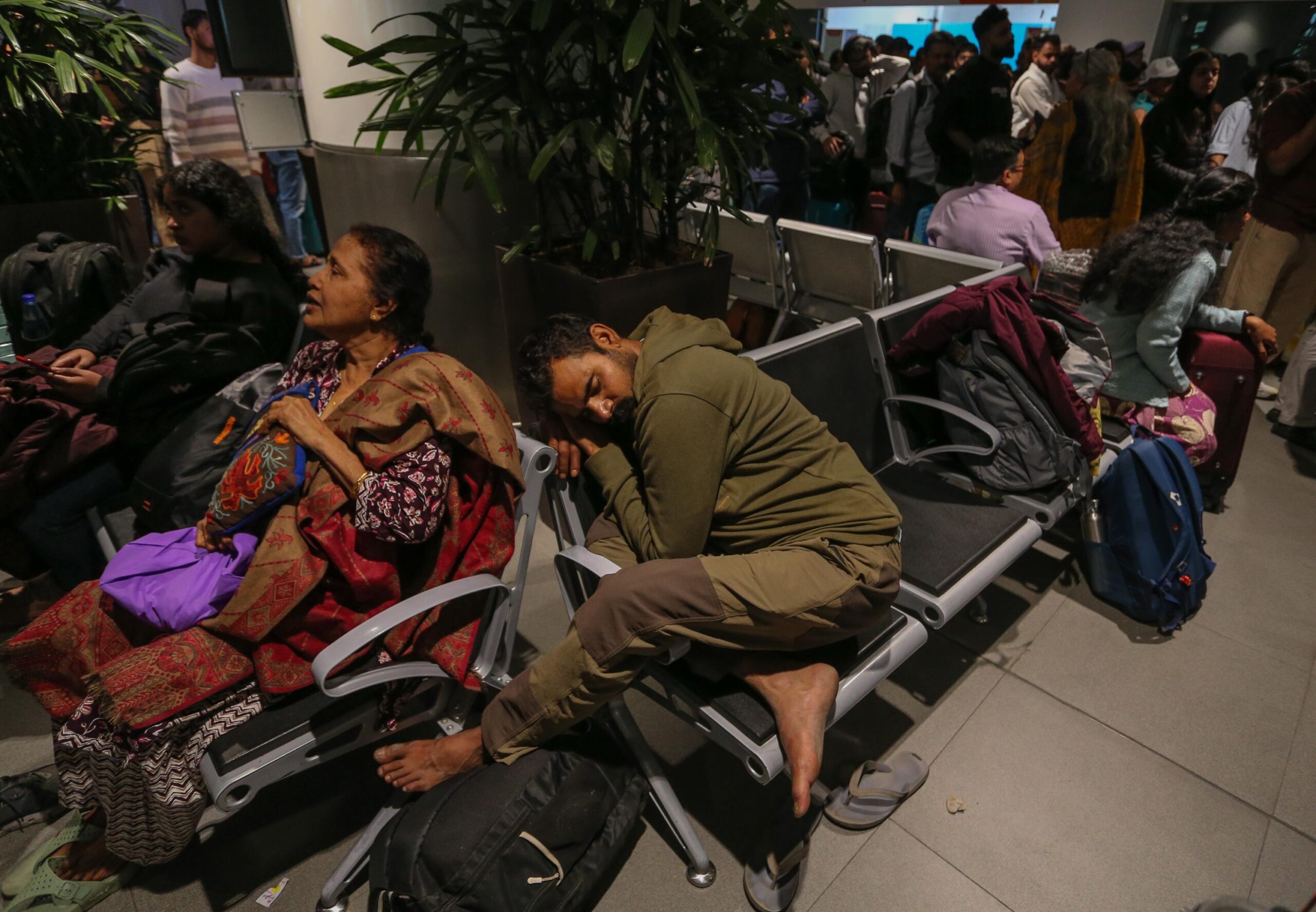
- Thousands of passengers stranded or forced to rebook
- Rising airfares due to fuel surcharges
- Reduced connectivity between Asia and the Middle East
- Increased travel uncertainty during peak seasons
Travel experts warn that delays and cancellations could persist for months if fuel supply chains and geopolitical tensions remain unstable.
Outlook: When Will the Situation Improve?
While some airlines expect partial recovery by late 2026, the overall outlook remains uncertain. Industry analysts suggest that stabilization will depend on:
- Resolution of Middle East tensions
- Normalization of jet fuel supply
- Expansion of airport infrastructure capacity
Until then, travelers are advised to check flight status regularly, allow buffer time, and consider flexible booking options.
#AsiaTravel #MiddleEastCrisis #IndiaTravel #TravelAsia #AviationCrisis #FlightUpdate #TravelAlert #AirTraffic #TravelNews #FlightStatus
About the Author