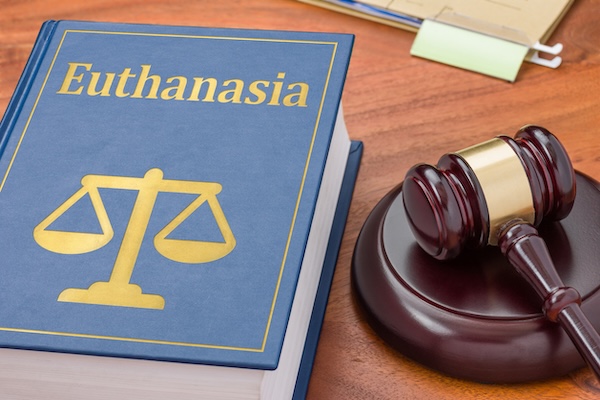
The recent Supreme Court decision on Harish Rana’s passive euthanasia has once again brought the sensitive issue of the right to die with dignity into public discussion. This case is not just legal news—it is emotional, complex, and deeply human.
It is truly heartbreaking to see a mother asking for death for her own son. At the same time, it forces us to think:
What should our laws allow? How do we balance life, suffering, and dignity?
In this blog, we will understand Harish Rana’s story, the latest updates, laws in India, global practices, and the ethical debate around euthanasia.
Who Was Harish Rana? Understanding the Case
Harish Rana was a young civil engineering student. In August 2013, he suffered a severe brain injury after falling from a building in Chandigarh. As a result, he went into a permanent vegetative state.
Since then, he has been completely paralyzed and unable to communicate. Doctors confirmed that there is no chance of recovery.
For more than 13 years, his family took care of him with full dedication. They supported him emotionally and financially, even when hope was almost gone. However, after years of struggle, the family decided to approach the court.
Initially, the Delhi High Court rejected their request in 2024. But later, in March 2026, the Supreme Court allowed passive euthanasia. This made it a historic case in India.
Latest Updates: What Is Happening Now?
After the court’s decision, Harish Rana was shifted to AIIMS Delhi. There, a team of doctors started the medical process under strict supervision.
This process includes slowly withdrawing life support, such as artificial nutrition and hydration. At the same time, doctors are ensuring comfort care so that he does not suffer.
Meanwhile, emotional scenes from his village have gone viral. His family’s farewell showed both deep pain and a sense of relief after years of caregiving.
Passive vs Active Euthanasia: What’s the Difference?
It is important to understand these two terms clearly:
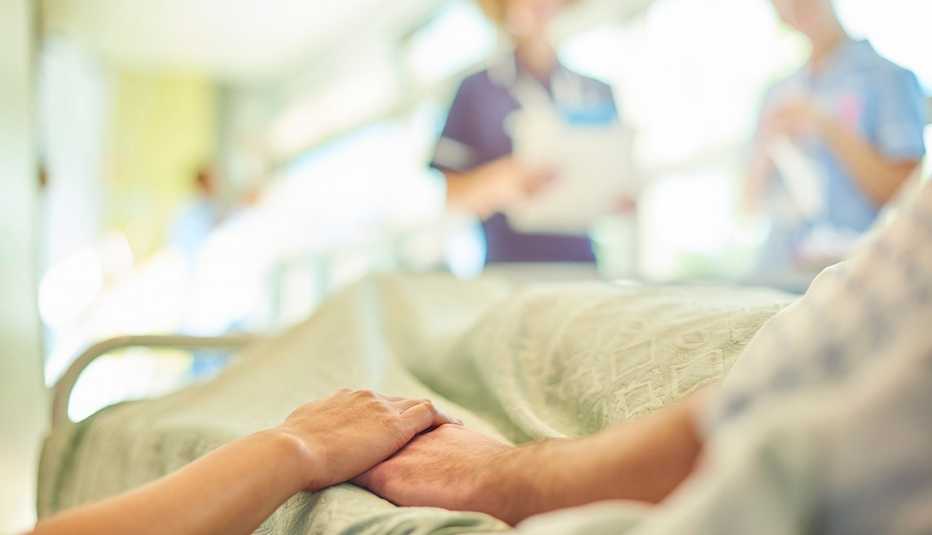
Passive euthanasia means stopping or withdrawing medical treatment. For example, removing life support or feeding tubes. This is allowed in India under strict conditions.
Active euthanasia, on the other hand, means directly giving a life-ending drug. This is still illegal in India.
In this case, the court clarified that artificial nutrition and hydration are also forms of medical treatment. Therefore, they can be withdrawn legally if proper rules are followed.
Euthanasia Laws Around the World
Across the world, only a few countries allow euthanasia or assisted dying.
- In Europe: Netherlands, Belgium, Luxembourg
- In North America: Canada
- In Oceania: New Zealand and parts of Australia
- In Latin America: Colombia and Ecuador
Additionally, some places like Switzerland and certain U.S. states allow assisted suicide.
Overall, only a small percentage of countries have such laws. This shows how sensitive and debated the issue is globally.
Public Opinion in India: A Divided View
The Harish Rana case has created mixed reactions in India.
People Who Support It
Many believe this decision is humane. They feel that when there is no hope of recovery, ending suffering is an act of compassion. They also think it respects the dignity of the patient.
People Who Oppose It
On the other hand, some people are worried. They fear misuse of such laws. They also believe that life should be protected at all costs.
Because of this, the debate remains ongoing and emotional.
Ethical Debate: Right or Wrong?
The issue of euthanasia is not simple. It involves strong arguments on both sides.
Arguments in Favor
- It reduces long-term suffering
- It gives dignity at the end of life
- It respects personal and family choices
- Arguments Against
- Life is sacred and should not be ended
- There is a risk of misuse
- Quality of life is difficult to judge
Clearly, there is no easy answer. Each case brings its own challenges.
Why This Case Matters for India
This case is a major moment in India’s legal and medical history. It has opened the door for discussions on:
- Living wills
- Patient rights
- End-of-life care laws
At present, India allows passive euthanasia but still lacks clear and detailed legislation. Therefore, many experts believe better laws are needed to avoid confusion.
Conclusion: A Debate That Will Continue
The Harish Rana case is not just a legal decision—it is a human story of pain, love, and difficult choices.
While some see it as a step towards dignity, others remain cautious. However, one thing is certain: this debate will continue in India.
In the end, society must decide how to balance compassion, ethics, and the value of life.
About the Author