Heatwave 2026: India Grapples With Soaring Temperatures and Growing Health Concerns
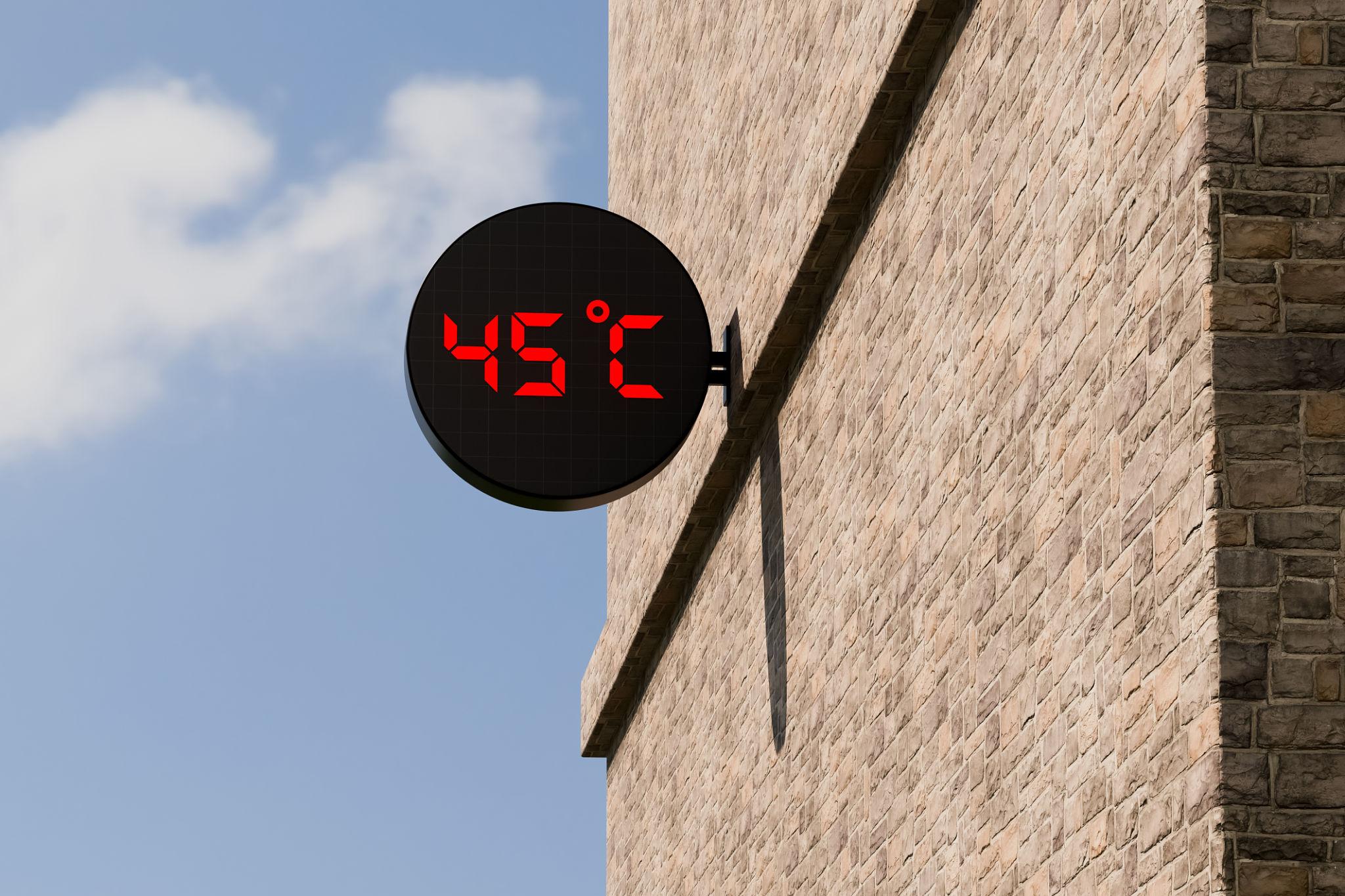
Large parts of India are currently experiencing a severe heatwave, with temperatures climbing well above seasonal averages and pushing millions into uncomfortable—and in some cases dangerous—conditions. Weather officials have issued multiple alerts as the mercury continues to rise, especially across northern, central, and eastern regions.
Record-Breaking Temperatures Raise Alarm
Over the past week, several cities have recorded temperatures exceeding 42°C, with some regions nearing the 45°C mark. Meteorologists warn that such extreme conditions are not just unusual—they’re becoming more frequent.
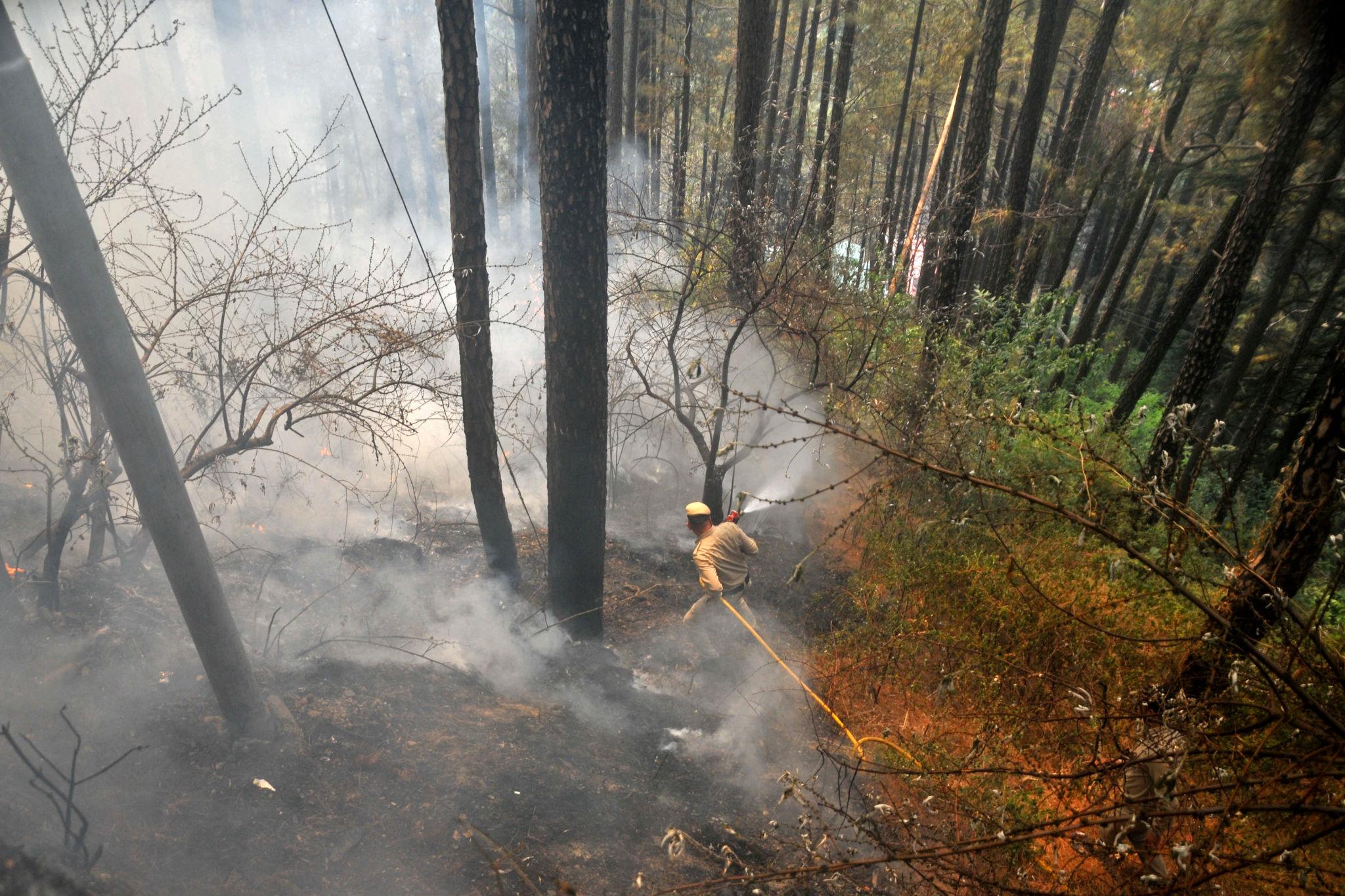
Experts point to a combination of factors, including delayed pre-monsoon showers and prolonged dry spells, which have intensified the current heatwave. Urban areas are particularly affected due to the “heat island” effect, where concrete structures trap heat, making cities significantly warmer than surrounding rural areas.
Health Risks on the Rise
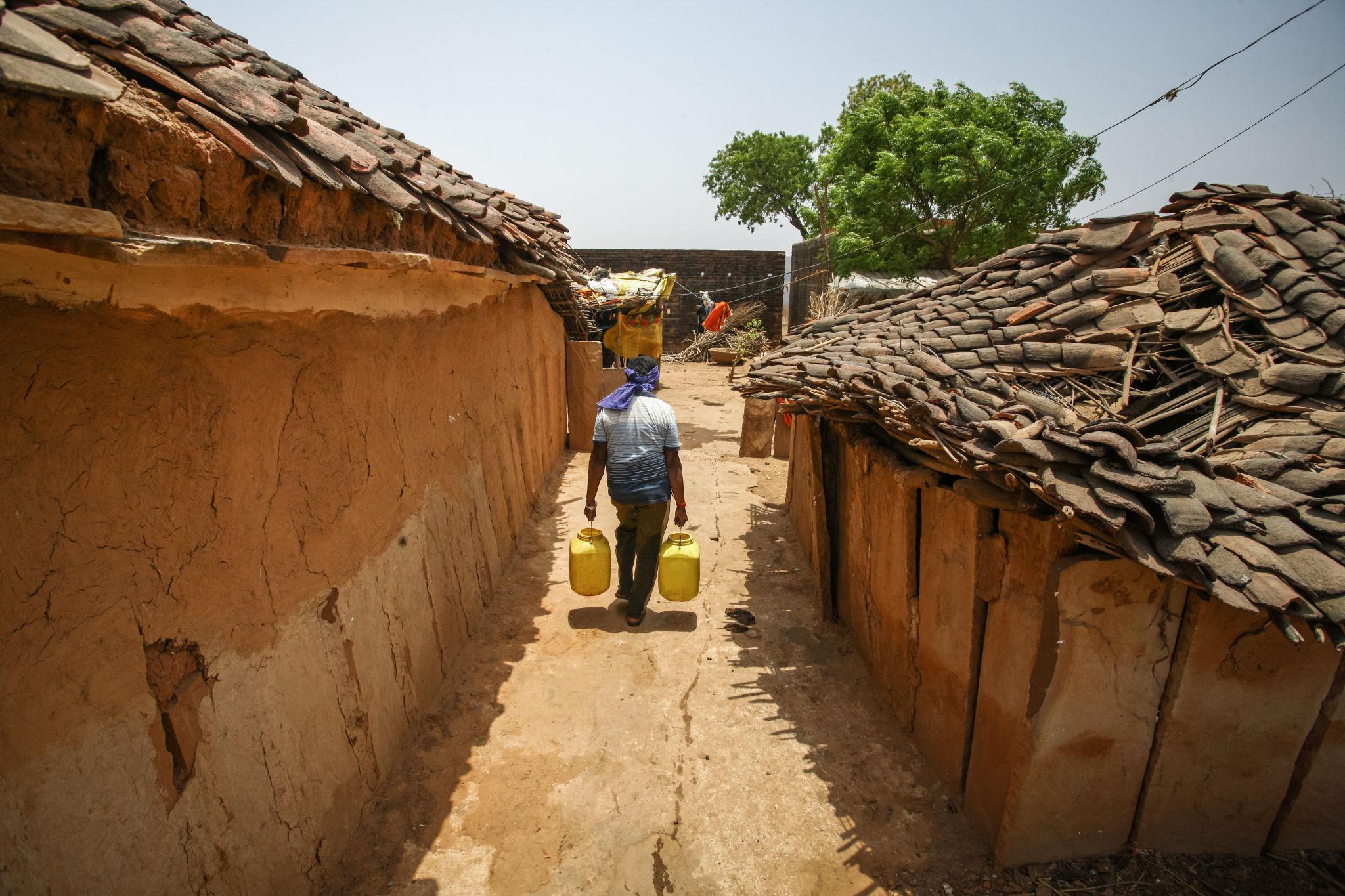
Hospitals and clinics are already reporting a surge in heat-related illnesses such as dehydration, heat exhaustion, and heatstroke. Vulnerable groups—including children, the elderly, and outdoor workers—are at the highest risk.
Doctors advise staying indoors during peak afternoon hours, drinking plenty of water, and avoiding strenuous activities. “Many cases we’re seeing could be prevented with simple precautions,” said a senior physician at a government hospital.
Power Demand and Water Shortages
The rising temperatures have also led to a spike in electricity consumption, as households and businesses rely heavily on cooling systems. This increased demand has strained power grids in several states, leading to occasional outages.
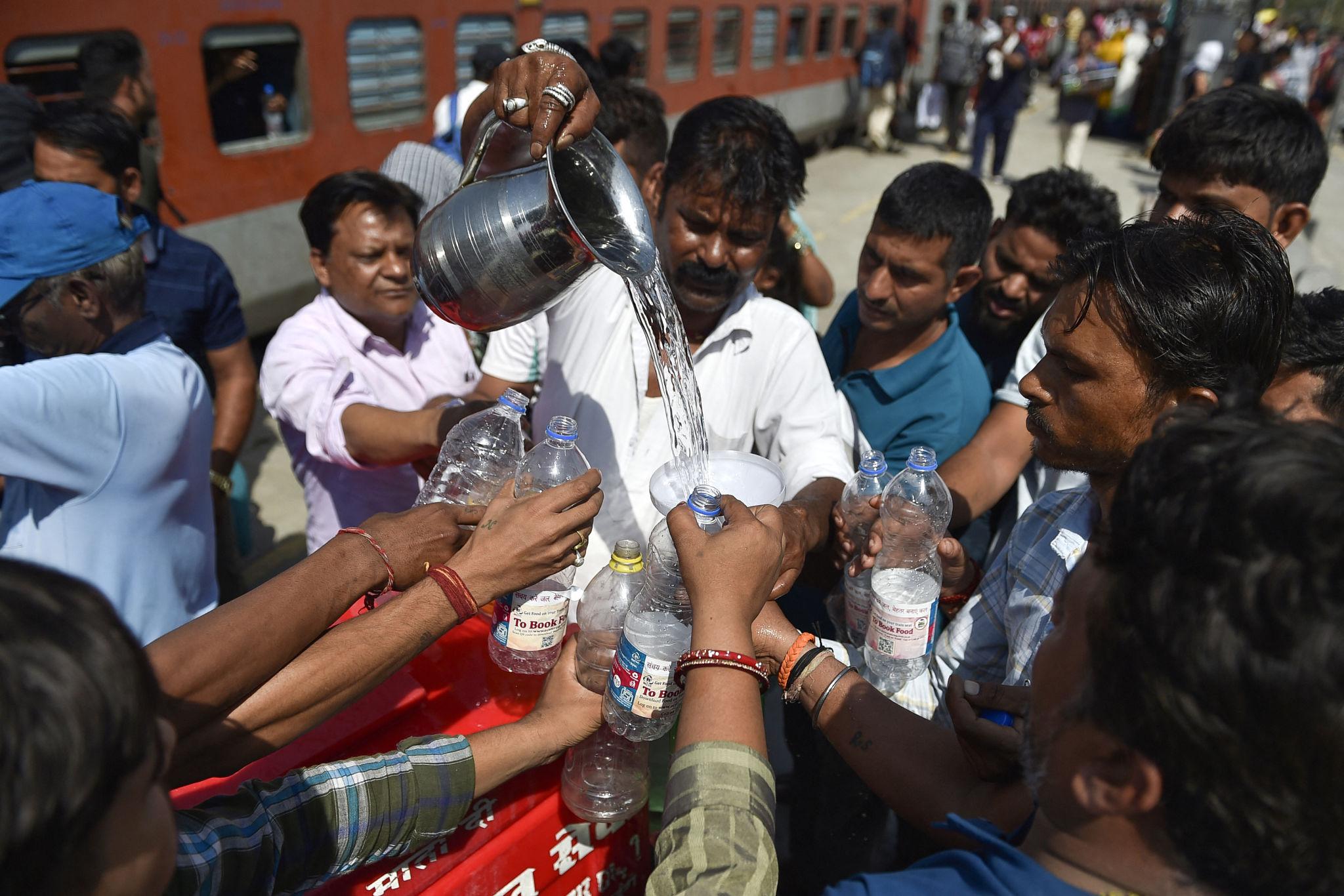
Meanwhile, water scarcity is becoming a growing concern in some regions. With reservoirs running low and groundwater levels declining, authorities are urging citizens to use water responsibly.
Impact on Daily Life and Economy
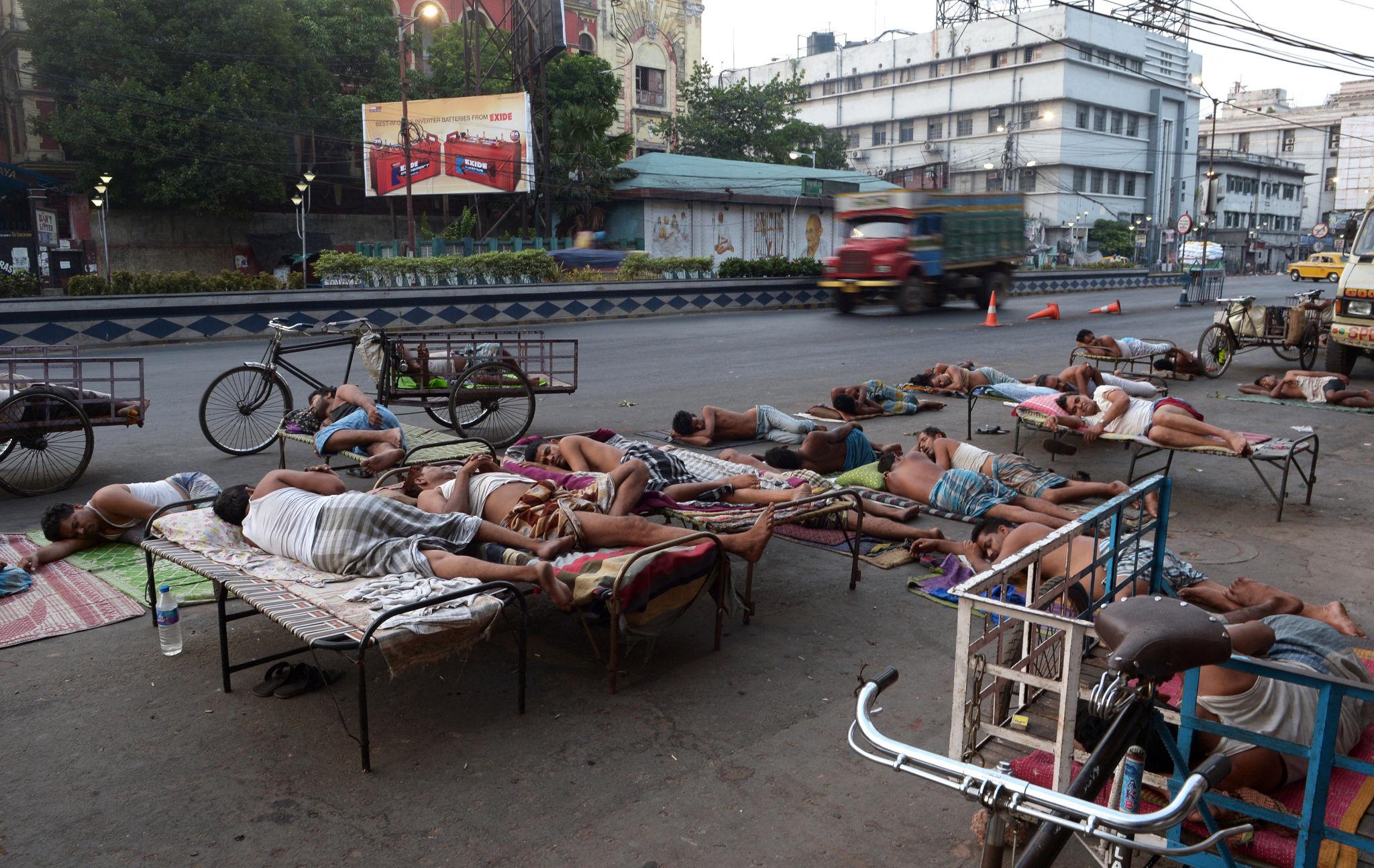
The heatwave has disrupted daily routines, with schools adjusting schedules and some workplaces adopting flexible hours. Street vendors, construction workers, and delivery personnel—who spend long hours outdoors—are facing particularly harsh conditions.
Agriculture is also under stress, as extreme heat threatens crop yields, raising concerns about food prices in the coming months.
Climate Change a Driving Factor
Environmental experts believe that climate change is playing a significant role in the increasing frequency and intensity of heatwaves. Rising global temperatures are making extreme weather events more common, and India is among the countries most vulnerable to these shifts.
“This is not just a seasonal issue anymore—it’s a long-term challenge that requires serious attention,” said a climate researcher.
Staying Safe During a Heatwave
Authorities have issued simple but crucial guidelines to help people stay safe:
- Stay hydrated and drink water frequently
- Avoid direct sunlight between 11 AM and 4 PM
- Wear light, loose-fitting clothing
- Use hats, umbrellas, or scarves when outdoors
- Check on elderly family members and neighbors
What Lies Ahead
Weather forecasts suggest that the heatwave may persist for several more days before any significant relief arrives. While scattered thunderstorms could bring temporary respite in some areas, experts caution that above-average temperatures may continue throughout the season.
As India battles this intense spell of heat, the focus remains on preparedness, awareness, and long-term solutions to tackle the growing impact of climate change.
About the Author