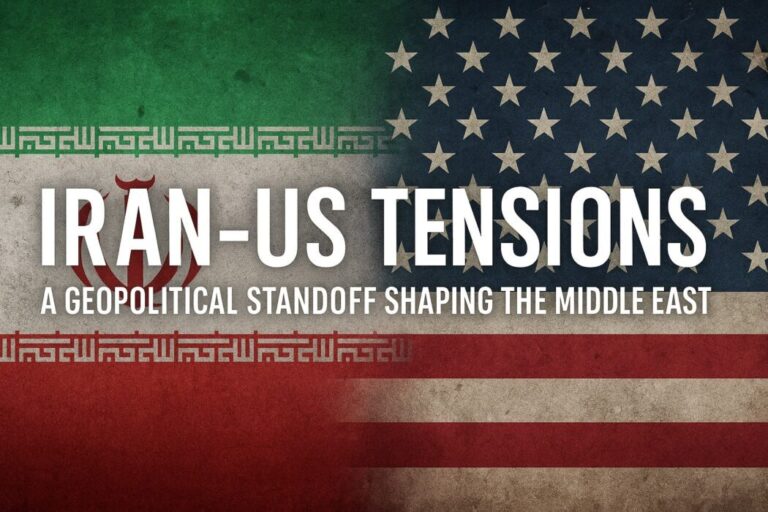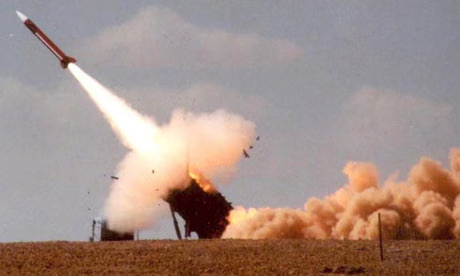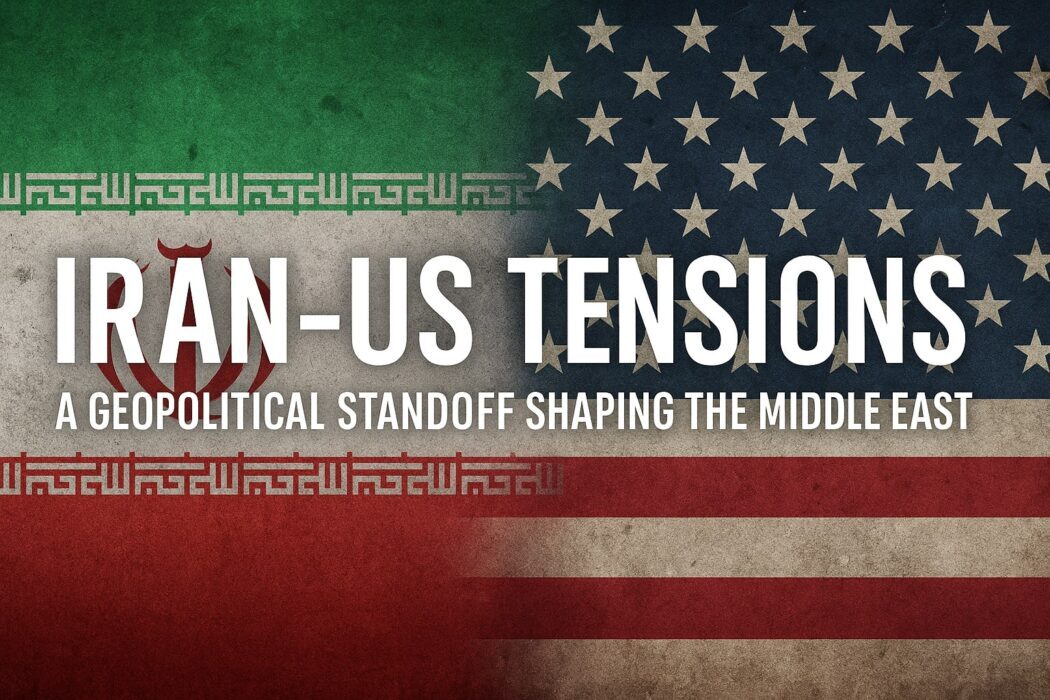
The ongoing Iran–America conflict has once again brought global attention to the delicate balance of international relations. As tensions rise in the Middle East, countries across the world are carefully shaping their responses. Among them, India’s stand on the Iran–America conflict has stood out for its calm, calculated, and balanced nature.
At a time when global reactions are becoming increasingly aggressive, India has chosen a path rooted in peace, diplomacy, and national interest. While many nations are taking sides, India is focusing on maintaining stability. This approach is not accidental—it reflects both strategic thinking and practical necessity.
It is also important to note that India shares complex relationships with countries like Iran, Israel, and the United States. We have trade ties, energy dependence, and diplomatic engagement with all of them. Therefore, maintaining a careful balance is not just a choice, but a necessity for India’s long-term interests.
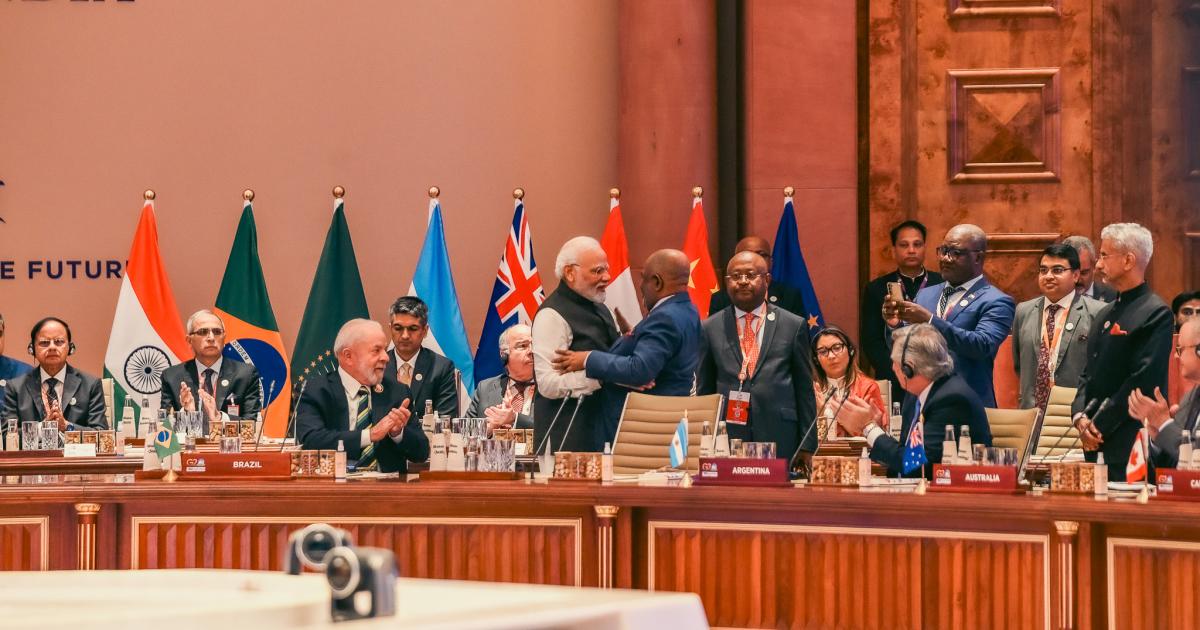
PM Modi’s Message on Iran–US Tensions
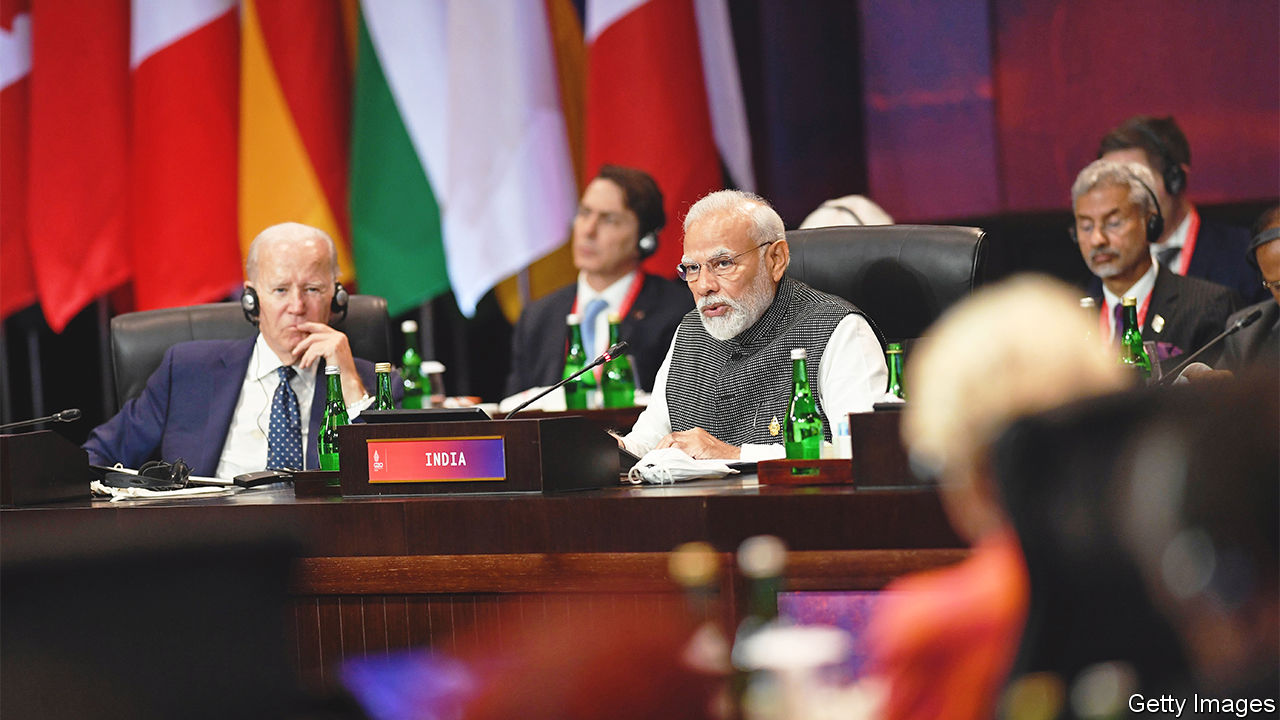
Prime Minister Narendra Modi recently shared his views on the ongoing situation, emphasizing the urgent need for peace and dialogue. His message highlighted that war and escalation do not benefit any nation, especially in an already unstable global environment.
Instead of taking a direct side, PM Modi focused on de-escalation, cooperation, and diplomatic solutions. This reflects India’s long-standing policy of strategic autonomy, where decisions are guided by national interest rather than external pressure.
Moreover, his stance also underlined concerns about the global economic impact, rising oil prices, and regional instability. In simple terms, the message was clear—India supports peace, not conflict.
India’s Diplomatic Strategy: Balanced Yet Practical
India’s position is often described as neutral, but in reality, it is a well-calculated diplomatic strategy. The country is trying to balance multiple interests at once.
On one hand, India shares strong ties with the United States in areas like defense, technology, and trade. On the other hand, it has historically maintained relations with Iran, especially for oil imports and connectivity projects.
Additionally, India depends heavily on the Middle East for energy and has a large Indian diaspora living in Gulf countries. Because of these factors, openly supporting one side could create serious consequences.
At times, this balancing act may appear like “safe play,” and critics argue that it may not always succeed. However, in global politics, maintaining balance is often more powerful than taking extreme positions.
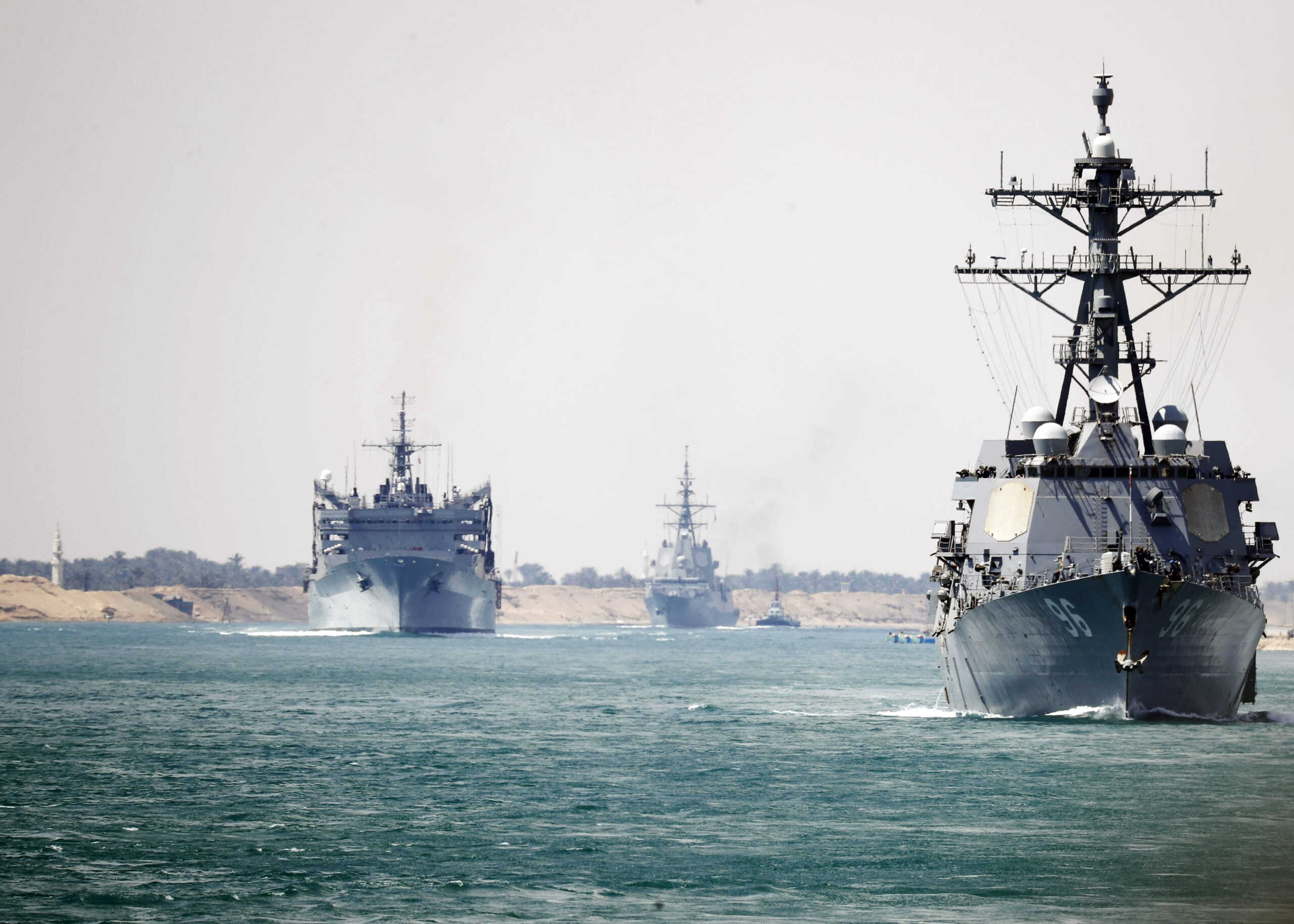
The “Fatherland” Remark: Understanding Its Meaning
In the context of global conflicts, the term “fatherland” has been used to express strong national pride and emotional attachment to one’s country. This kind of language often reflects how nations justify their actions in times of war.
The “fatherland” remark highlights a deep sense of identity, sovereignty, and protection of national interests. Countries involved in conflict often use such expressions to rally support and strengthen internal unity.
However, India’s approach remains different. Instead of relying on emotional or aggressive rhetoric, India continues to focus on practical diplomacy, dialogue, and long-term stability.
Why India’s Neutral Stand Matters
India’s balanced stand is not just about diplomacy—it has real implications:
- Economic Stability
Any conflict in the Middle East directly affects oil prices and global trade, which impacts India’s economy.
- Energy Security
India imports a large share of its crude oil. Stability in the region ensures a steady and affordable supply.
- Safety of Indians Abroad
Millions of Indians work in Gulf countries. Rising tensions could put their safety at risk.
- Global Image
By supporting peace, India strengthens its position as a responsible global power.
- Public Reaction and Global Perception
India’s response has received mixed reactions. While many appreciate the balanced and mature approach, some believe India should take a stronger stand.
However, globally, India is increasingly seen as a country that values stability over confrontation. This perception enhances its credibility on the world stage and strengthens its diplomatic influence.
A Practical Perspective
In today’s interconnected world, conflicts are never isolated. The impact spreads across economies, societies, and global systems. India understands that war brings long-term challenges, not just short-term gains.
Therefore, instead of reacting emotionally, India is focusing on dialogue, cooperation, and protecting its national interests.
Conclusion
India’s stand on the Iran–America conflict reflects maturity, balance, and strategic clarity. PM Modi’s message reinforces the importance of peace and highlights the risks of escalation.
While terms like “fatherland” show how nations express emotional strength during conflict, India continues to rely on calm diplomacy and thoughtful decision-making.
As global tensions continue, India’s role as a bridge between powerful nations may become even more important. In uncertain times, such balanced leadership is not just valuable—it is essential.
#IranUSConflict #IndiaForeignPolicy #StrategicAutonomy #MiddleEastTensions #GlobalPolitics #DiplomacyMatters #PeaceNotWar #EnergySecurity #GlobalStability #PolicyAnalysis #CurrentAffairs #IndiaOnGlobalStage
About the Author