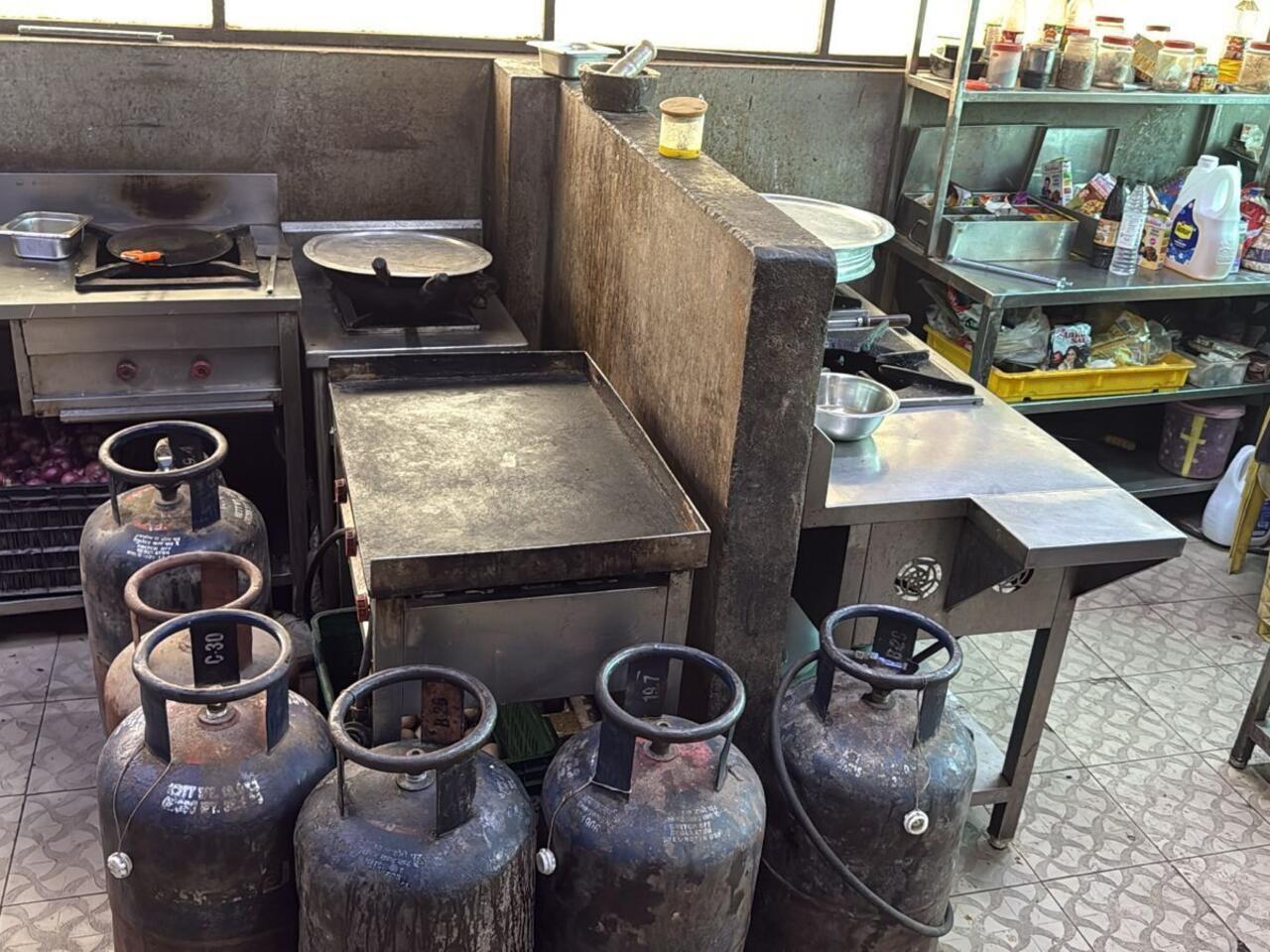
In recent weeks, a quiet yet powerful shift has begun across India. Railway stations in cities like Surat and Delhi are witnessing an unusual crowd—not of people arriving in search of work, but of migrant workers leaving for their villages.
Sadly, this entire situation reminds us of the painful memories of the COVID-19 lockdown. However, this time, the reason is different—and deeply alarming.
This reverse migration in India 2026 is not driven by job loss alone. Instead, it is being triggered by something far more basic—the LPG crisis in India 2026, which has made daily survival increasingly difficult for the working class.
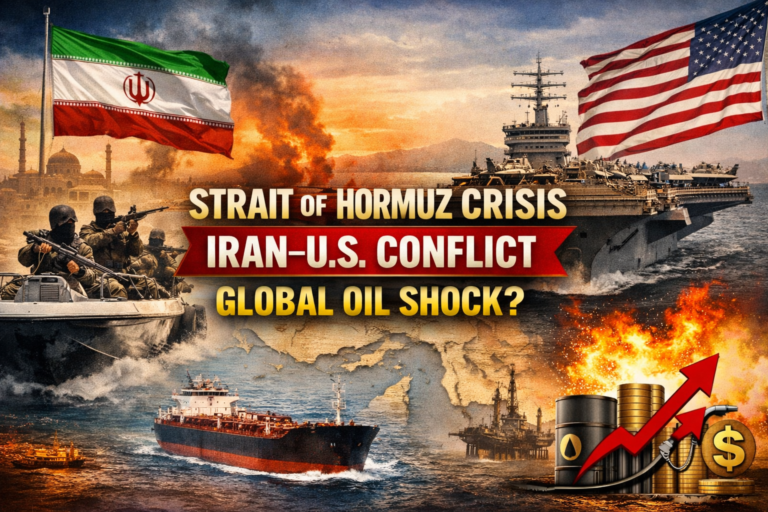
Strait of Hormuz Crisis: How the Iran War is Affecting India
To truly understand this crisis, we must look beyond national borders. At times, it feels like this conflict has no clear end.
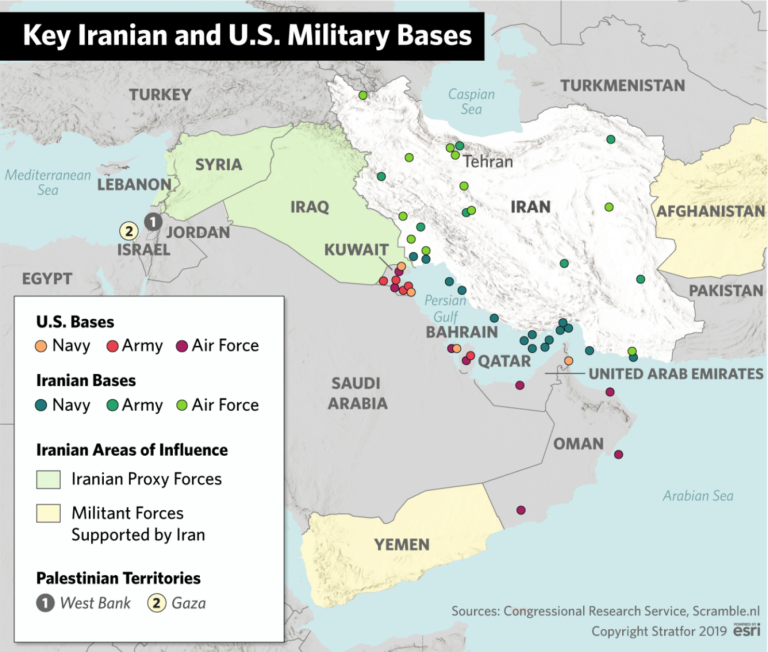
The ongoing Iran war impact on India has disrupted one of the world’s most critical energy routes—the Strait of Hormuz crisis. This narrow passage carries a significant share of global oil and gas supplies.
Due to rising tensions:
- Oil and gas shipments have slowed down
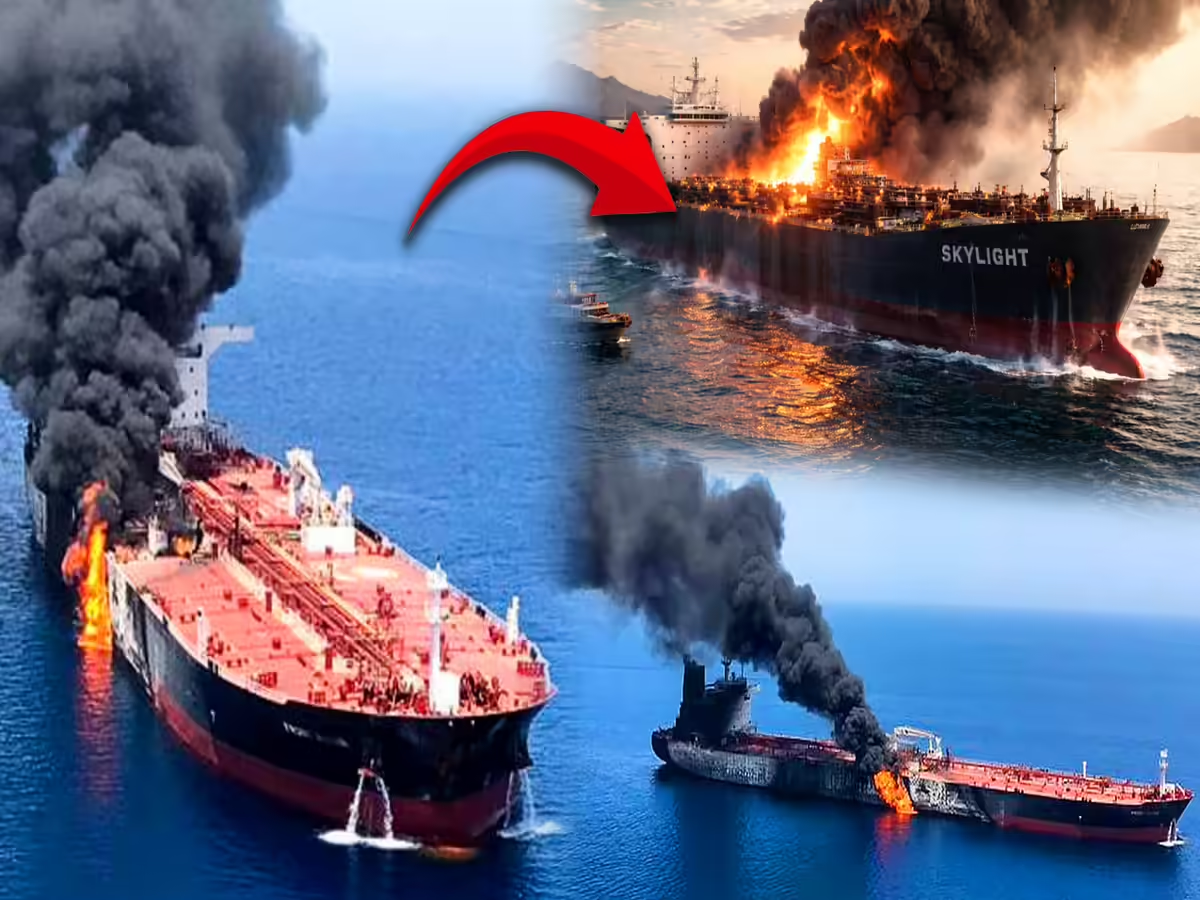
- Tankers are avoiding the route due to security risks
- Global fuel supply has tightened
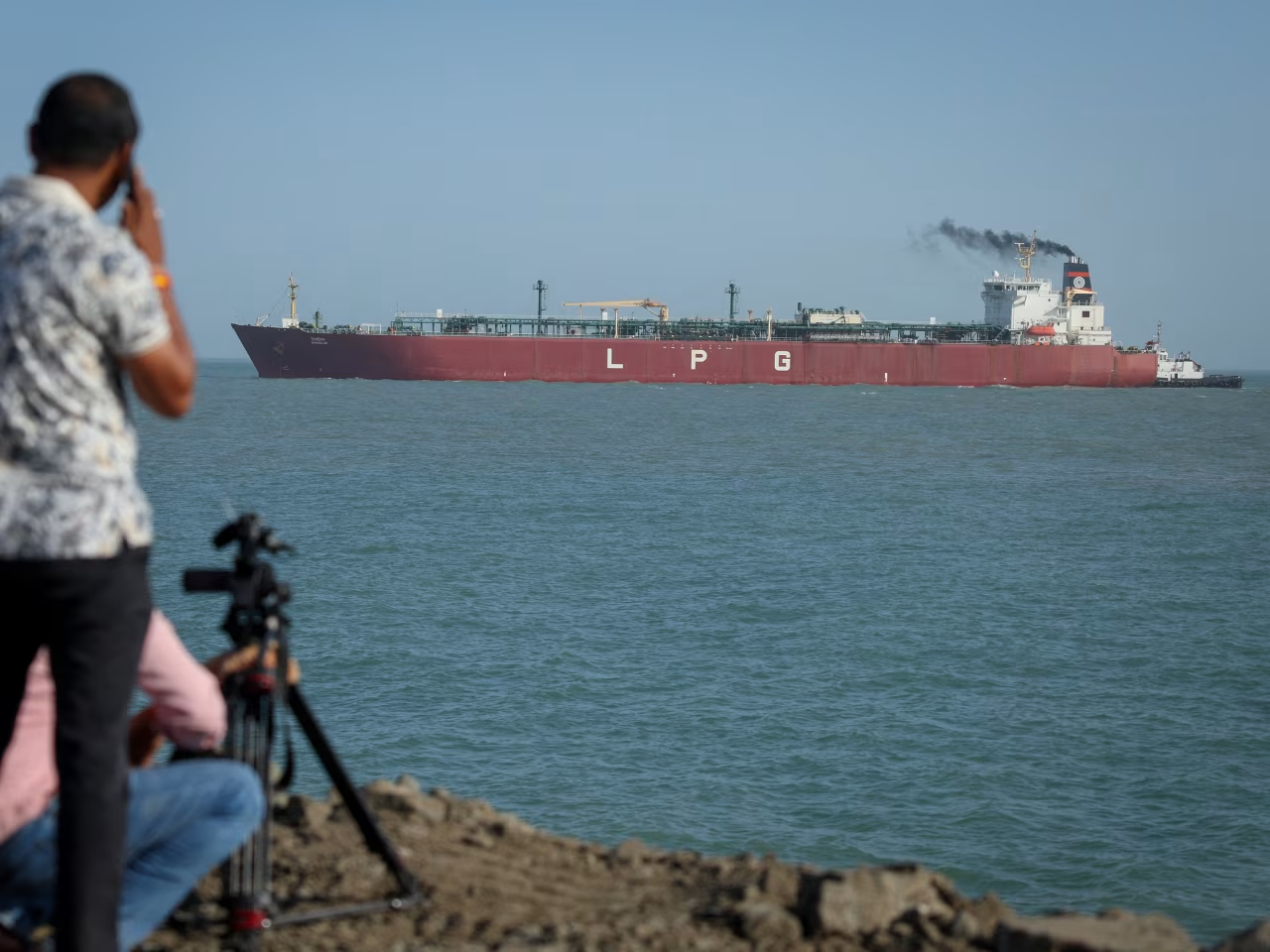
As a result, countries like India are facing a serious gas shortage India news situation. LPG imports have reduced, and supply chains are under visible stress.
What started as a geopolitical conflict has now transformed into a real-life crisis affecting Indian households and workers.
LPG Crisis in India 2026: What is Happening on the Ground
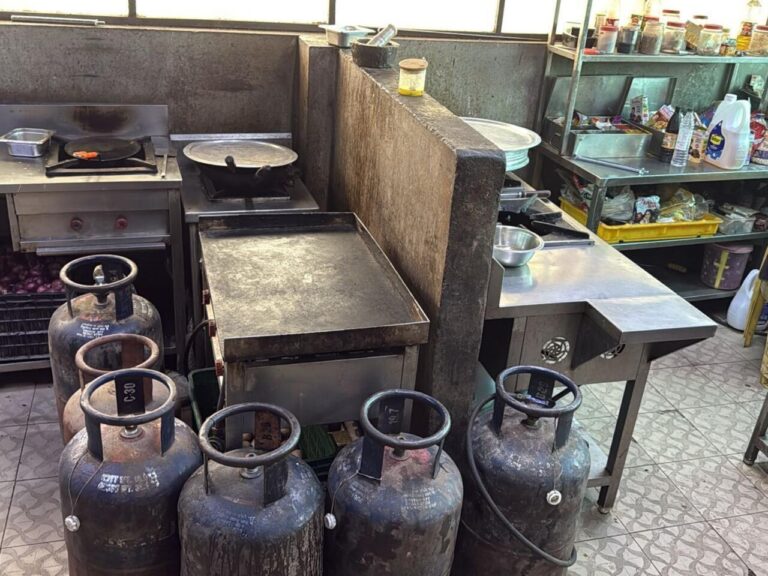
At present, the gas shortage in India is clearly visible in everyday life:
- LPG cylinders are being delayed for several days
- The hotel industry is slowly facing disruptions
- LPG and petrol prices have increased significantly
- Black market rates are becoming unaffordable
For middle-class families, this situation is frustrating. However, for the labour class, it is devastating.
Many ground reports suggest that workers are struggling to cook food due to the lack of LPG. As a result, migrant workers returning home in India is no longer an assumption—it is a growing reality.
Reverse Migration India 2026: A Growing Concern
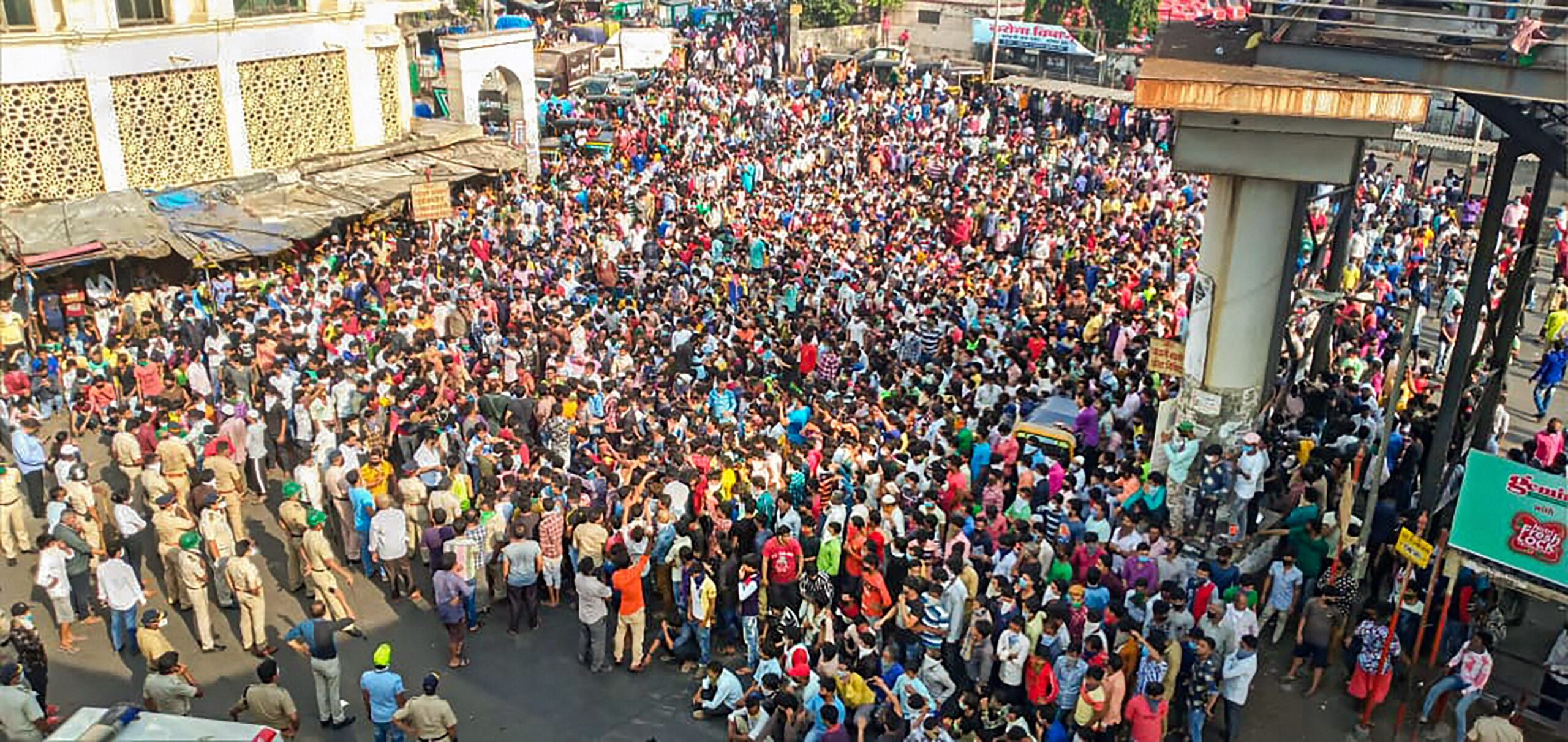
Across major industrial hubs, a silent exodus is unfolding.
In Surat, one of India’s largest textile centres:
- Workers are leaving despite having jobs
- Families are packing up and heading back to villages
- Railway stations are witnessing increased outbound movement
This reverse migration India 2026 is very different from previous trends. It is not just about employment anymore—it is about survival.
Workers are expressing their helplessness clearly:
“Without gas, we cannot even cook food. How can we live here?”
This statement alone reflects how the LPG crisis India 2026 is directly pushing people out of cities.
Impact of War on India’s Labour Class
The labour crisis India situation is becoming more severe with each passing day.
- Basic survival at risk
Without LPG, cooking becomes a daily struggle. Alternatives like firewood or coal are neither practical nor accessible in urban areas.
- Rising cost of living
With increasing fuel prices, the overall cost of living has surged. Workers are finding it difficult to manage daily expenses.
- Industry slowdown
Fuel shortages are affecting industries, leading to:
- Reduced wages
- Fewer working hours
- Uncertain employment conditions
- Emotional and mental stress
Uncertainty around food and income is creating anxiety, forcing workers to return to their villages where survival feels more manageable.
Economic Impact of Gas Shortage in India
The gas shortage India news is not just a household issue—it is slowly affecting the broader economy.
At times, it feels like the country is being indirectly shaken by a conflict between two nations.
- Industries are facing labour shortages
- Textile production is declining
- Urban services are getting disrupted
- Rural areas are experiencing population pressure
Experts warn that continued migrant workers returning home India could weaken industrial output and slow down economic growth.
A Global Crisis with Local Consequences
The Strait of Hormuz crisis once again highlights how interconnected the modern world has become.
- A conflict involving Iran has triggered:
- Energy supply disruptions
- Rising fuel costs
- Labour migration in India
This chain reaction clearly shows how global political tensions can directly influence the daily lives of ordinary people.
Final Thoughts
The LPG crisis India 2026 is not just about fuel—it is about dignity, survival, and stability.
It is forcing thousands of workers to leave cities, not by choice, but by compulsion. The rise of reverse migration India 2026 is a warning sign that basic needs are becoming harder to fulfil.
If the Iran war impact on India continues and the Strait of Hormuz crisis remains unresolved, the situation may worsen further.
At its core, this crisis raises a deeply important question:
Can a growing economy truly sustain itself if its workers struggle to afford even a basic meal?
About the Author