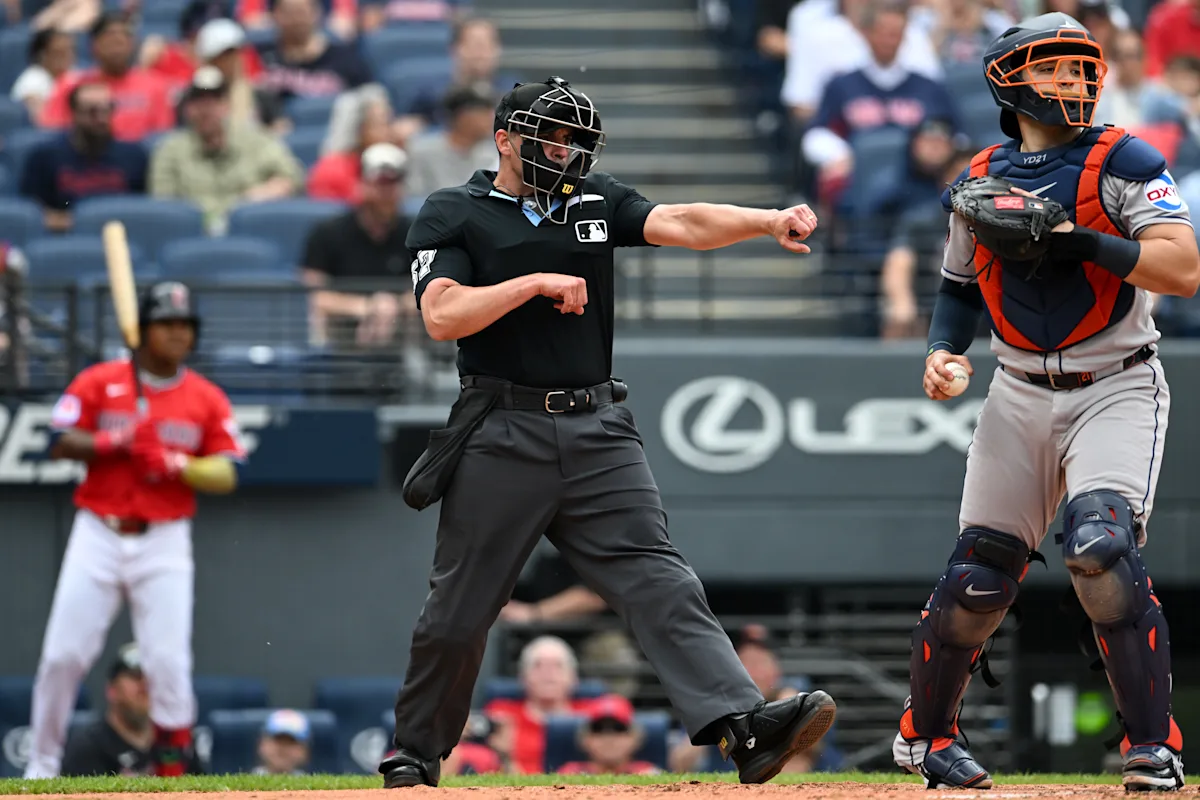
Major League Baseball has announced a major change to umpiring: the Automated Ball-Strike
(ABS) Challenge System will be fully implemented in the 2026 season. After experimenting with
the ABS in the minor leagues for several seasons, the league’s competition committee agreed
to pursue a hybrid approach which retains the human home plate umpire but allows for teams to
challenge ball and strike calls to the computer. This represents an irreversible change toward
technological finality, and marks the end of the time-honored, and occasionally infuriating,
tradition of human error at the center of the game.

The Rise of the Challenge System
The new system is a compromise that attempts to bring tradition in line with the contemporary
need for accuracy. Under the ABS Challenge System, the home plate umpire will still be making
the initial call on every pitch. Each team will subsequently be allowed two challenges in each
game. If the challenge is upheld, which means the human umpire’s call is overturned by the
Hawk-Eye camera technology, the team retains its challenge (like video review on the bases).
The challenge must be requested right away by the pitcher, catcher, or batter with a quick signal
such as tapping the helmet or cap, and will not have the assistance of the dugout. This format
brings in a new strategic component – managers and players must now decide,when faced with
a crucial 3-2 count, or potentially a third strike, is worth the risk of losing one of their precious
challenges.
The Technical Details of the Strike Zone
With the implementation of the ABS system comes the definitive, digitized strike zone, which is
a 2-dimensional rectangle hovering over the plate. The upper and lower components of the
zone are determined specifically by the height of the batter, with the top of the zone being
53.5% of the batter’s height, and the bottom being 27%. The ABS system determines if a pitch
was inside or outside of the zone based on where the ball crosses the center point of home
plate. This defined rectangular zone—the dimensions of which are governed explicitly by the
rulebook—is starkly different from the more oval or flexible zone of human umpires. It bears
noting that the system is estimated to be over 99% accurate; however, by having a rigid zone
based on typical batter height, pitchers must adapt to the location of the pitch and catchers will
need to adjust their techniques for laying or “framing” the pitch in such a way that convinces the
umpire to call it a strike.
The Strategic and Emotional Impact
Under ABS, the number of fights and emotionally charged ejections that have become
synonymous with baseball are expected to decrease significantly. A significant portion of the
player and manager ejections were directly associated with an umpire’s judgment on balls and
strikers, and now, the vast source of friction has been reduced dramatically. However, there is a
new layer of strategy. Teams are now going to need to enlist individuals solely responsible for
rapidly examining the call and determining whether a challenge will be initiated in the
two-second window following the call. While the ABS may alleviate inconsistent ball/strike
officiating, many baseball “purists” regret losing the “human element” of officiating, including the
umpire’s judgment of feel for the game, and the heightened pitch that comes from an incorrect
ball/strike call. All in all, the ABS Challenge System allows MLB to prioritize
flawless officiating and pace of play over the chaotic unpredictability of the “human drama” and
the error of judgment involved in officiating baseball.
End of an Era: Mike Gundy Fired at Oklahoma State
Mike Gundy’s lengthy and sometimes controversial tenure at Oklahoma State University is
finished. OSU announced Gundy’s dismissal just three games into the 2025 campaign after a
surprising start at 1-2, which included a stunning home loss against an unranked Group of Five
rival. This concluded a 20-plus year era that saw Gundy become OSU largest winning coach
and a consistent national contender.

The Decline and the Buyout
Gundy’s firing did not stem from one loss, it came as a result of a long and steep decline in
program performance that began two seasons before when the program reached a conference
championship game appearance in the Big 12. The team produced a terrible losing record in
2024, including the first winless season in conference play in over 30 years. The university
leadership ultimately lost confidence in Gundy when there was no indication the program was
adapting to college football’s changing narrative. Gundy’s program was unprepared to effectively
juggle NIL (Name, Image, and Likeness) opportunities and the transfer portal, leading to a lack
of talent, both on the field, and in the recruiting process. Despite making a significant overhaul
to the staff, fixing the roster, and restructuring Gundy’s contract to allow for a positive departure,
the lack of results forced the school’s hand. Gundy’s firing triggered a $15MM buyout, denoting
that ending a famous but failed tenure in college athletics is expensive in the athletics’ modern
era.
The Search for a New Identity
The attention now quickly shifts to finding a replacement who can manage the new college
football landscape. Administrative leadership has committed to establishing a
“championship-level” program, making the message clear, returning to the national spotlight is
the one goal. The expectation is that the coaching search will center on young head coaches
and coordinators, who identify as offensive-minded, and have experience navigating the transfer
portal and recruiting in the era of high-dollar NIL collectives. Already, top names that have
circulated in the media are from rising Group of Five head coaches who are known for quickly
turning over a program and immensely successful Big 12 offensive coordinators. The next hire
must be someone that can create a new identity for the Cowboys program, one that embraces
rooster and offensive firepower, along an aggressive-recruiting strategy that conforms to the
current Power Four landscape.
About the Author