The US-India relationship, which was once waxing and waning as an up-and-coming modern
strategic partnership, is officially undergoing a difficult review. The friendship – as we say,
friendship predicated on democratic values and on collective worries about the rise of China – is
experiencing renewed tension over several tangible conflicts. Several American actions that a
generation ago were considered unfathomable are now facing a new era. The collaboration in a
new cooperation phase has reached one that somewhat uniquely prefers pressure over
partnership, leaving India in the unfortunate prospect of having to defend its interests and
foreign policy on the global stage. The current environment is starkly contrasting with the
friendly climate of a few years ago.
___________________________________________________________________________
The Trade War Heats Up
The most glaring sign of distress, of course, is the growing trade war. The US has recently
instituted a huge 50% tariff on Indian goods. This has hit almost all of India’s exporters directly,
especially affecting important sectors, including textiles and leather. Both of which rely almost
exclusively on the American market. The US government has indicated that this is punishment for
India’s ongoing purchase of Russian oil publicly threatens the vastness of the oil imports.
However, India has a somewhat different outlook. External Affairs Minister S. Jaishankar has
made very firm public assertions, stating that India’s energy policy is sovereign, in its national
interest, and that India is simply purchasing oil where it is cheapest to satisfy its vast energy
needs. In very direct and bold terms to the US, Jaishankar extorted, “If you don’t like it, don’t buy
it. But Europe buys, America buys; if you don’t like it, do not buy from us.”
This back-and-forth argument has halted trade talks between the two countries, and a meeting
for a new round of negotiations has been canceled indefinitely. This is a significant setback to
what was expected to be a new chapter of economic and trade cooperation. For India, the tariffs
are not merely an economic issue; they are an indicator of larger issues. These actions are
seen by many in India as indicative of US pressure on India to change its foreign policy. Such an
effort is viewed by India as it has traditionally viewed pressure as an assault on its
independence and historically existing policy of strategic autonomy (which means India will not
take sides in a conflict). The tariffs have also come after years of negotiations wherein India has
balanced farmers’ and small business interests. The US decision to impose an up to 200% tariff
on certain products is an indicator of a move away from partnership and foreign relations, to a
type of diplomacy that is aggressive and transactional, and it leaves a sense of frustration and
disappointment in New Delhi.
____________________________________________________________________________
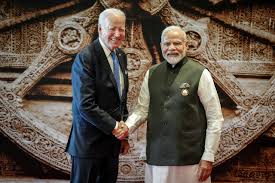 Geopolitical Strains and Shifting Alliances
While trade differences are significant, more deep-seated geopolitical differences are emerging.
The US is uncomfortable with India’s relatively close relations with Russia, especially since the
Russia-Ukraine conflict. India continues to ignore Western-sponsored sanctions against Russia,
maintaining a non-alignment policy after nearly seventy years of history with Russia as a
prominent source of arms and key diplomatic partner. While India has called for peace, it has
not condemned Russia like the West. This has created a significant strain for the US and India,
as the US views India’s trade with Russia as indirect donations to the continuation of the
conflict.
The US’s overtures to third countries are also heightening the environment. The Trump
administration stepped up its engagement in South Asia, including an offer to mediate the
long-standing dispute between India and Pakistan over Kashmir, which New Delhi both rebuffed
and rejected, as it considers the Kashmir issue an internal issue. For many in New Delhi, the US
is reinitiating an older policy of balancing India and Pakistan, which is very concerning. The
policy suggests India is not being considered as a leading global partner, but rather as one
regional player in a larger power game. The lack of respect for India as a major power is one
area of friction.
These geopolitical tensions are forcing India to reconsider its approach. While it still views its
relationship with the US as important, India is actively seeking to develop relationships with
other countries so that it will never be beholden to a single partner. India is seeking new trading
relationships with countries in Europe and Asia, and is reportedly discussing the prospect of
thawing relations with China so that it could increase diversification of trade and lessen the pain
of US tariffs. India is obviously not going to be bullied. The message that Indian leaders are
communicating is that they will continue to act in their national interests and maintain their
sovereignty in a world that may at times require them to do so in opposition to a partner.
___________________________________________________________________________
The Road Ahead
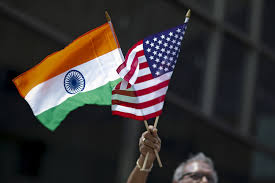
The US-India relationship is at a turning point. The disagreements are not simply minor bumps
but a sign of an evolution in how the two nations envision each other’s role. The high tariff rates
and geopolitical tensions could permanently damage what has been built over the last two
decades. For India, this is a chance to assert itself as a major global player, one that would not
be precluded from being forced to pick sides or yield to dictates from others. For the US, it is a
measuring stick of whether it can cooperate with a partner that has strong and independent
foreign policies of its own. The path both sides take in navigating these uncertainties will impact
the future of US-India relations and could substantially influence international politics and trade
for years to come. While the long-term consequences of this disagreement will play out over
time, it is fair to say that what was once viewed as an unbreakable alliance is currently
experiencing its biggest challenge.