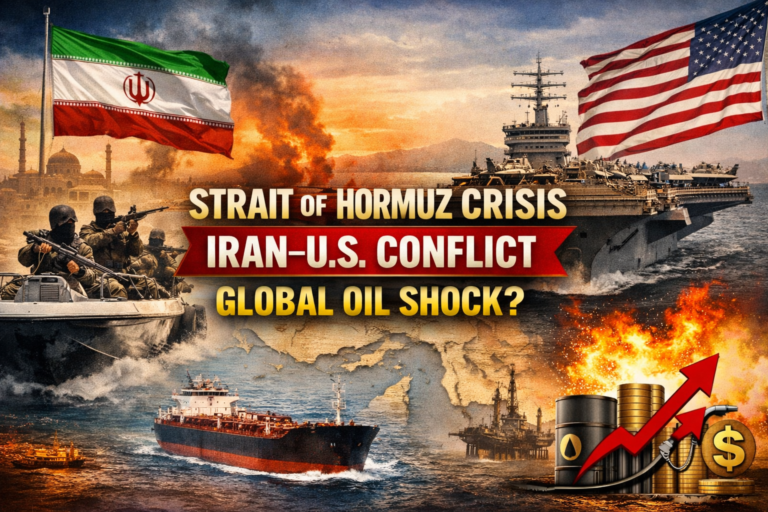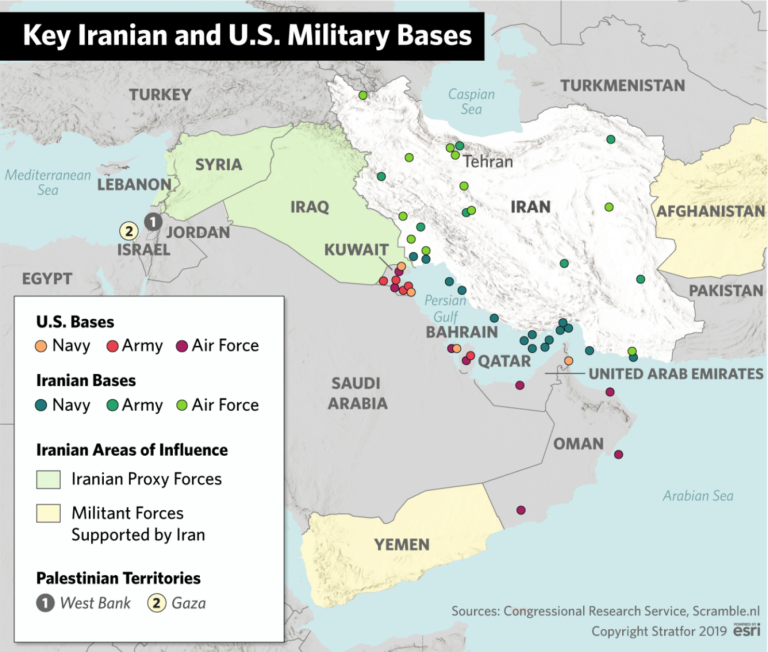
The ongoing conflict between the United States and Iran—widely known as the Iran–US war or US Iran conflict 2026—has taken an unexpected and dramatic turn. What many assumed would be a straightforward display of American dominance has now become a complex global issue.
Moreover, the effects of this conflict are not limited to just these two countries. The entire world is feeling the impact through rising oil prices, economic uncertainty, and growing geopolitical tension.
Because of this, one major question is trending across news platforms and social media:
Is the United States standing alone against Iran?
At the same time, another surprising development has shocked observers worldwide—Iran’s powerful retaliation. Very few experts predicted that Iran would respond with such strength and coordination.
So, let us understand what is really happening.
A War That Defied Expectations
At the start of the conflict, many analysts believed that the United States would easily manage the situation. Historically, the US has shown strong military capability in global conflicts.
However, things did not unfold as expected.
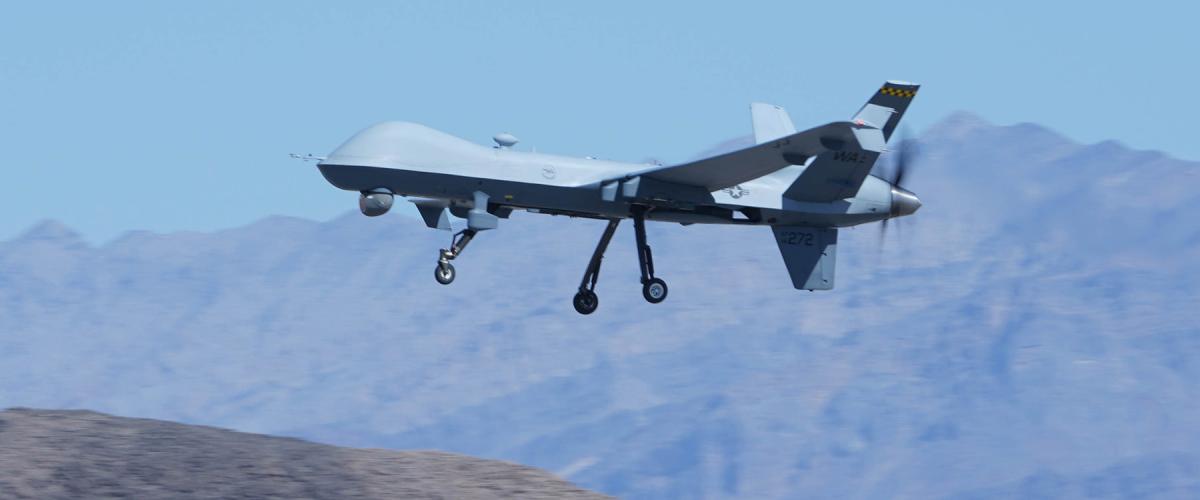
Iran responded with force and precision. Reports of missile strikes, drone attacks, and strategic counteractions have surprised the global community. As a result, the conflict no longer appears one-sided.
In simple terms, this is no longer a predictable war.
Iran’s Retaliation Has Changed the Narrative
One of the most searched topics right now is “Iran retaliation power.”
Iran has demonstrated:
- Advanced missile technology
- Strong military coordination
- The ability to challenge US operations
Because of this, global experts are now rethinking their earlier assumptions. The belief that Iran would struggle to respond has clearly been proven wrong.
Furthermore, this unexpected response has created caution across the world. Countries are now observing the situation carefully instead of reacting immediately.
Where Are America’s Allies?
Another trending question is: “Is America alone in war?”
In previous conflicts, the United States often had visible support from its allies. However, in the current situation, things appear quite different.
Many countries are:
- Avoiding direct military involvement
- Maintaining neutral public positions
- Calling for peace instead of choosing sides
Even the role of NATO has become a key topic of discussion.
Trump’s Tweet and NATO’s Stand
Adding to the situation, Donald Trump made headlines with a recent tweet. In his statement, he suggested that NATO has declined to offer direct support in this conflict.
This has led to a trending narrative: “NATO refuses to help the US.”
As a result, many people now believe that America is facing this situation without strong backing.

A Rare Moment: America Under Pressure
This situation is unusual.
The United States is generally seen as a dominant global power. However, the current conflict presents a different picture. There is visible pressure, hesitation, and strategic caution.
At the same time, many countries are stepping back and avoiding direct involvement.
If we look at it with a slightly lighter tone, it almost feels like:
The strongest player in the game suddenly realized the match is not as easy as expected.
Of course, this does not mean the United States is weak. Instead, it highlights a key reality—modern warfare is far more complex than before.
Why Countries Are Choosing Neutrality
The concept of “global neutrality in war” is trending for a reason.
Many countries are choosing not to openly support either side due to several factors:
- Fear of Escalation
No nation wants this conflict to turn into a larger global war.
- Economic Concerns
War increases oil prices and disrupts global trade and markets.
- Changing Global Power Structure
The world is becoming multipolar, meaning power is now shared among multiple nations.
Is the United States Really Alone?
The answer is: not completely.
Even though public support appears limited, there may still be:
- Strategic cooperation
- Intelligence sharing
- Diplomatic engagement
However, this support is less visible and more cautious than before.
Conclusion: A Shift in Global Power Dynamics
The Iran–US war 2026 is not just a regional conflict. Instead, it reflects a larger shift in global power dynamics.
Iran has surprised the world with its strong retaliation
- The United States appears less openly supported
- Global powers are choosing caution over confrontation
Most importantly, this situation highlights one clear truth:
The world did not expect Iran to retaliate with such power—and that has changed everything.
About the Author