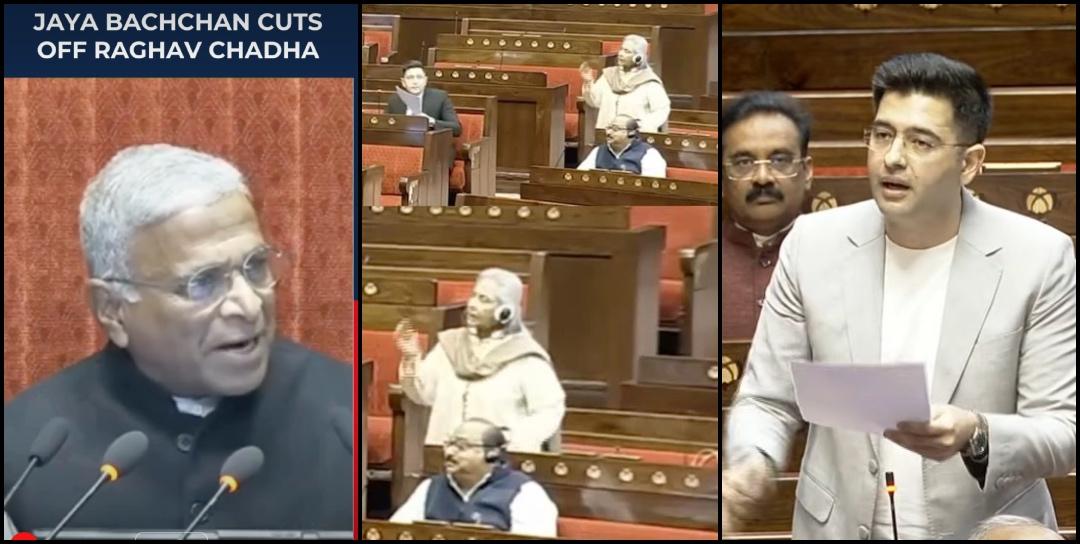
Why Are Indians Recharging 13 Times a Year? – Raghav Chadha Raises Voice in Parliament
Earlier too, Raghav Chadha had raised his voice against the 10-minute delivery rule followed by several online food and grocery apps, questioning whether such practices put delivery workers under unnecessary pressure. Once again, he is speaking for the masses who often feel that they are being unfairly treated.
Have you ever felt that your mobile recharge expires faster than the month itself? You recharge your phone thinking you are covered for the entire month and suddenly—boom—another notification appears: “Your plan is about to expire.”
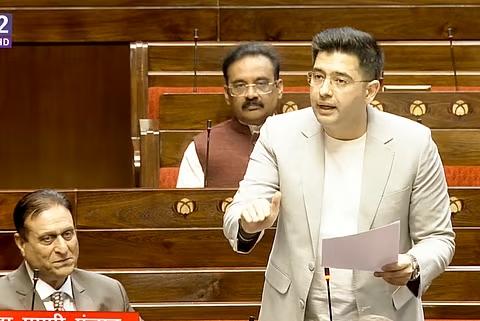
Well, you are not alone. Millions of Indians experience the same frustration. Recently, Raghav Chadha, Member of Parliament from the Aam Aadmi Party, raised this exact issue in Parliament and questioned telecom companies over the 28-day recharge cycle. His statement has sparked a nationwide conversation about mobile recharge pricing, telecom transparency, and consumer rights in India.
But the real question remains: Are Indians unknowingly paying more than they should?
The 28-Day Recharge Puzzle
Let’s do some simple math.
A normal year has 12 months, right? Logically, that means we should recharge our phones 12 times in a year. However, most telecom operators offer plans that last only 28 days instead of a full month.
This means users end up recharging 13 times in a year.
Now ask yourself:
Is this just a coincidence?
Or is it a clever business strategy?
Many consumers feel that telecom companies might be quietly increasing yearly expenses through this system. This concern, often discussed under mobile recharge issue in India, was strongly highlighted by Raghav Chadha during his parliamentary speech.
And honestly, once someone points it out, it feels like that awkward moment when you realize the packet of chips contains more air than chips.
A Digital Identity That Cannot Simply Switch Off
In Parliament, Chadha also raised another important question:
Should incoming calls stop when a recharge expires?
Such a policy can become extremely problematic in critical or emergency situations.
Think about it.
Today, our mobile numbers are linked to almost everything:
- Bank accounts
- OTP verification
- Online payments
- Government services
If incoming calls or SMS stop after recharge expiry, people may miss crucial alerts. Imagine missing a bank OTP or an urgent call from family simply because your recharge expired yesterday.
This concern has now become part of a wider debate around the telecom recharge controversy and consumer rights in telecom.
The Real Impact on Ordinary Users
India has more than a billion mobile users, and a large majority rely on prepaid plans. For many households, even a small increase in recharge costs matters. In fact, even a slight change in recharge prices quickly becomes the talk of the town.
So when discussions around 28-day recharge plans started trending online, many people suddenly had the same realization:
“Wait… have we been paying for an extra recharge every year?”
For students, daily wage workers, and senior citizens, frequent recharges can become inconvenient and financially stressful.
After all, if a month has 30 or 31 days, shouldn’t recharge plans reflect the same?
Why the Issue Went Viral
The moment Chadha raised this concern in Parliament, social media discussions exploded. People began sharing memes, jokes, and personal experiences about the recharge cycle.
One viral joke summed it up perfectly:
“Our months have 30 days, but telecom companies live in a parallel universe where every month has only 28.”
Funny? Absolutely.
But also a little painful for our wallets.
That is why topics like Raghav Chadha parliament speech and mobile recharge price debate have started trending across social media and news platforms.
Personal Reflection: A Problem We Often Ignore
Personally, I never paid much attention to recharge validity before this debate. Like most people, I simply clicked the “recharge again” button without questioning it.
But now a thought keeps coming back:
Are we accepting these practices simply because they have become normal?
Sometimes someone has to speak up. And today, such a voice is being heard in Parliament.
Often, it takes just one strong voice to highlight an issue that millions quietly experience every day.
Conclusion
By raising the recharge issue in Parliament, Raghav Chadha has started an important conversation about fairness and transparency in the telecom industry. Whether this discussion leads to policy changes or not, it has already achieved one important thing—it has made consumers more aware.
The next time your phone displays the message “Your plan expires tomorrow,” you might pause and wonder:
“Wait… didn’t I recharge just a few weeks ago?”
Sometimes the biggest questions begin with the smallest everyday frustrations.
And who knows—maybe one day our recharge plans will finally match the calendar. Our fingers are crossed, and we are hoping for good news from telecom giants.
Until then, keep your charger close… and your recharge reminders even closer. 📱
About the Author