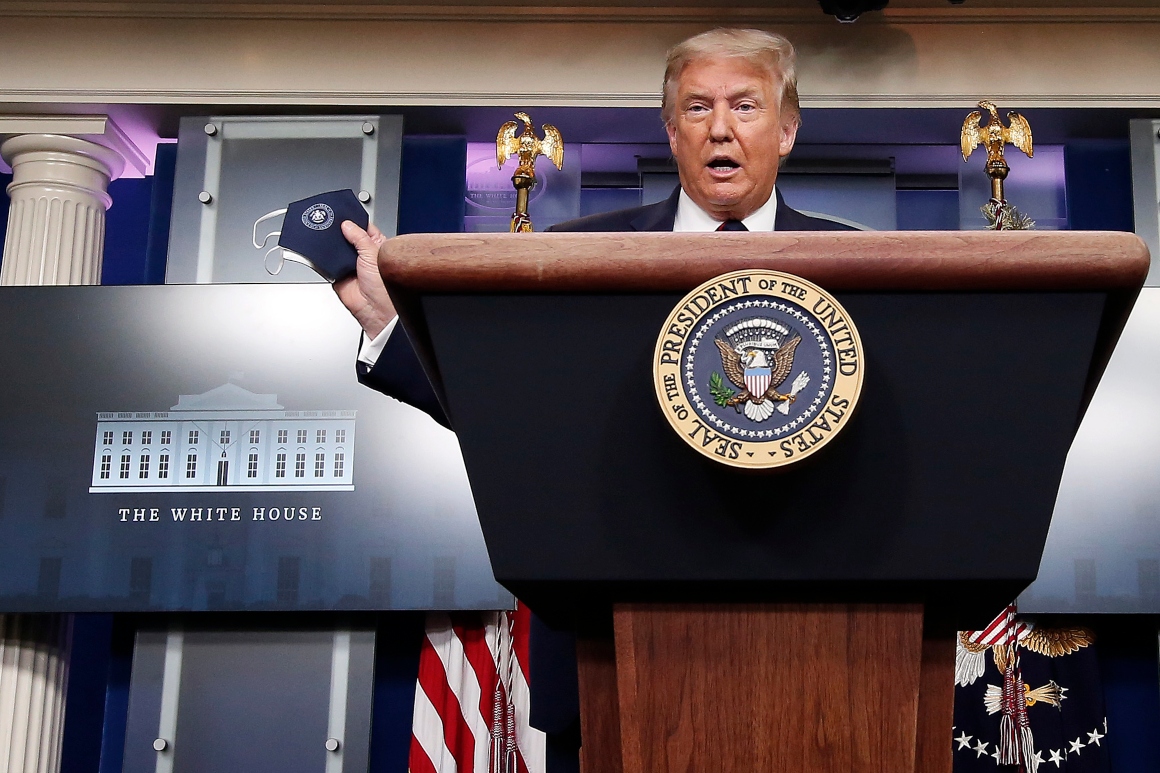
In recent weeks, Donald Trump has once again become the center of global attention. He is attracting worldwide focus with his unique and often controversial communication style. However, this time, the spotlight is not just about politics—it is about rising public outrage, controversial decisions, and viral statements.
Even within the United States, many citizens appear increasingly critical of the President. From growing tensions in international relations to visible domestic protests, the situation has escalated rapidly. As a result, keywords like “Trump controversy 2026,” “global outrage against Donald Trump,” and “Trump latest news” are trending across search platforms.
Let’s take a closer look at what is driving this backlash and why it has become such a widely discussed topic.
Rising Global Tensions and Public Reaction

To begin with, one of the major triggers behind the outrage is Trump’s handling of international conflicts, particularly rising tensions involving Iran and the broader Middle East. Critics argue that his aggressive tone and strategic decisions may increase the risk of escalation rather than promote stability.
As a result, global markets have reacted sharply. There are growing concerns about fuel prices, economic slowdown, and geopolitical instability. In many regions, people are already feeling the pressure, as essential commodity prices continue to rise.

At the same time, public protests in the United States have intensified. Large groups have taken to the streets, voicing dissatisfaction over foreign policy, economic challenges, and civil rights concerns. Therefore, the issue is no longer limited to political debate—it has evolved into a broader public movement.
Declining Popularity and Political Pressure
In addition to global concerns, Trump is also facing increasing pressure at home. Several reports indicate a decline in approval ratings, reflecting growing dissatisfaction among voters.
Moreover, even within his traditional support base, differences of opinion are becoming more visible. This shift has changed the narrative from strong leadership to what many now describe as controversial leadership.
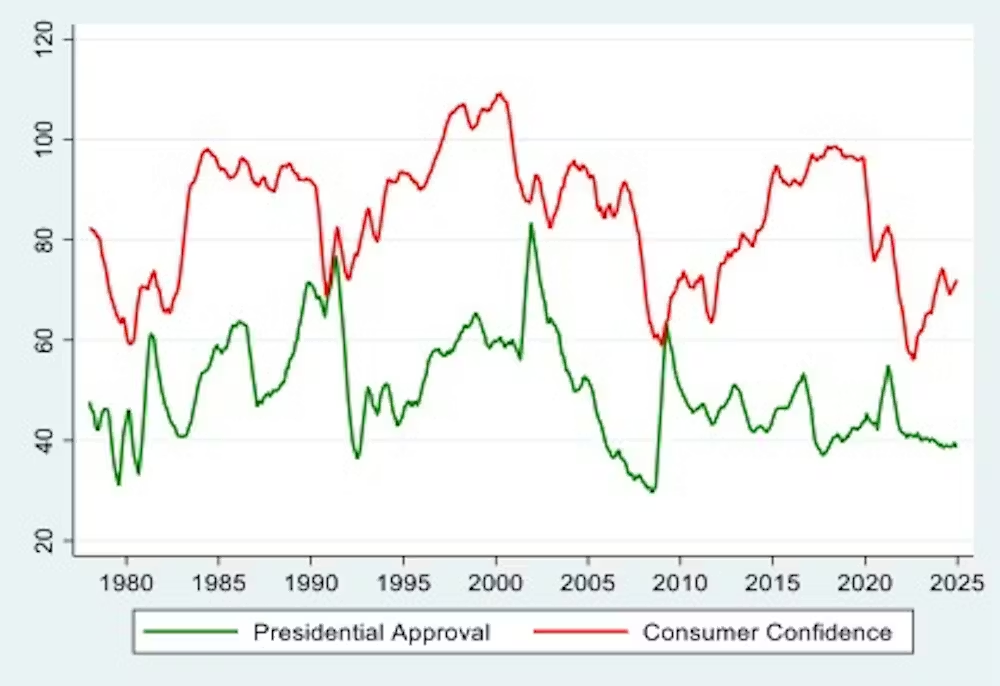
Consequently, search trends such as “Trump approval rating drop,” “Trump criticism worldwide,” and “US political crisis 2026” are gaining traction online.
The Viral “I Am Your Daddy” Moment
Amid rising tensions, one particular moment captured massive attention. During a public interaction, Trump responded to criticism with a sarcastic remark:
“I am your daddy.”
This statement quickly went viral across social media platforms. While some supporters viewed it as bold and humorous, others criticized it as dismissive and inappropriate, especially given the seriousness of ongoing global issues.

Furthermore, this remark added fuel to the existing outrage. Critics argued that such statements reflect a lack of sensitivity, while supporters defended it as part of Trump’s unfiltered communication style. As a result, phrases like “Trump I am your daddy statement” began trending widely.
Media Amplification and Social Media Impact
Another key factor is the role of media and social platforms. Today, even a single sentence can spread worldwide within minutes. In this case, Trump’s comment became a viral talking point, discussed by news channels, influencers, and everyday users.
Moreover, the combination of political tension and viral content has created a powerful impact. People are not only reacting to policies but also to tone, personality, and leadership style.
This highlights how modern politics is no longer just about decisions—it is also about communication and perception.
Why This Outrage Matters
It is important to understand that this backlash is not about one isolated incident. Instead, it is the result of multiple interconnected factors:
- Rising global conflict concerns
- Economic uncertainty and inflation
- Public dissatisfaction and protests
- Controversial statements and communication style
Therefore, what we are witnessing is a cumulative reaction, rather than a sudden or isolated backlash.
Conclusion: A Defining Moment in Modern Politics
In conclusion, the sudden outrage against Donald Trump shows how quickly public sentiment can shift in the digital age. While his supporters continue to stand by his bold and direct approach, critics believe such moments raise serious questions about leadership and responsibility.
The viral “I am your daddy” remark, although intended as sarcasm, has become symbolic of a deeper issue—the growing divide in public opinion.
Moving forward, how this situation unfolds will play a crucial role in shaping global political discourse, public trust, and the future of leadership in 2026.
About the Author