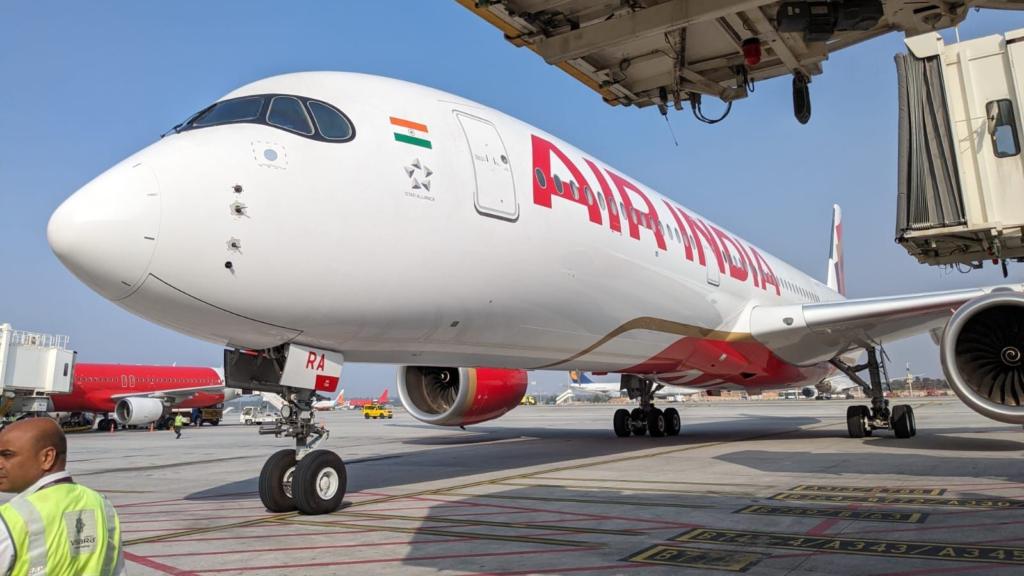
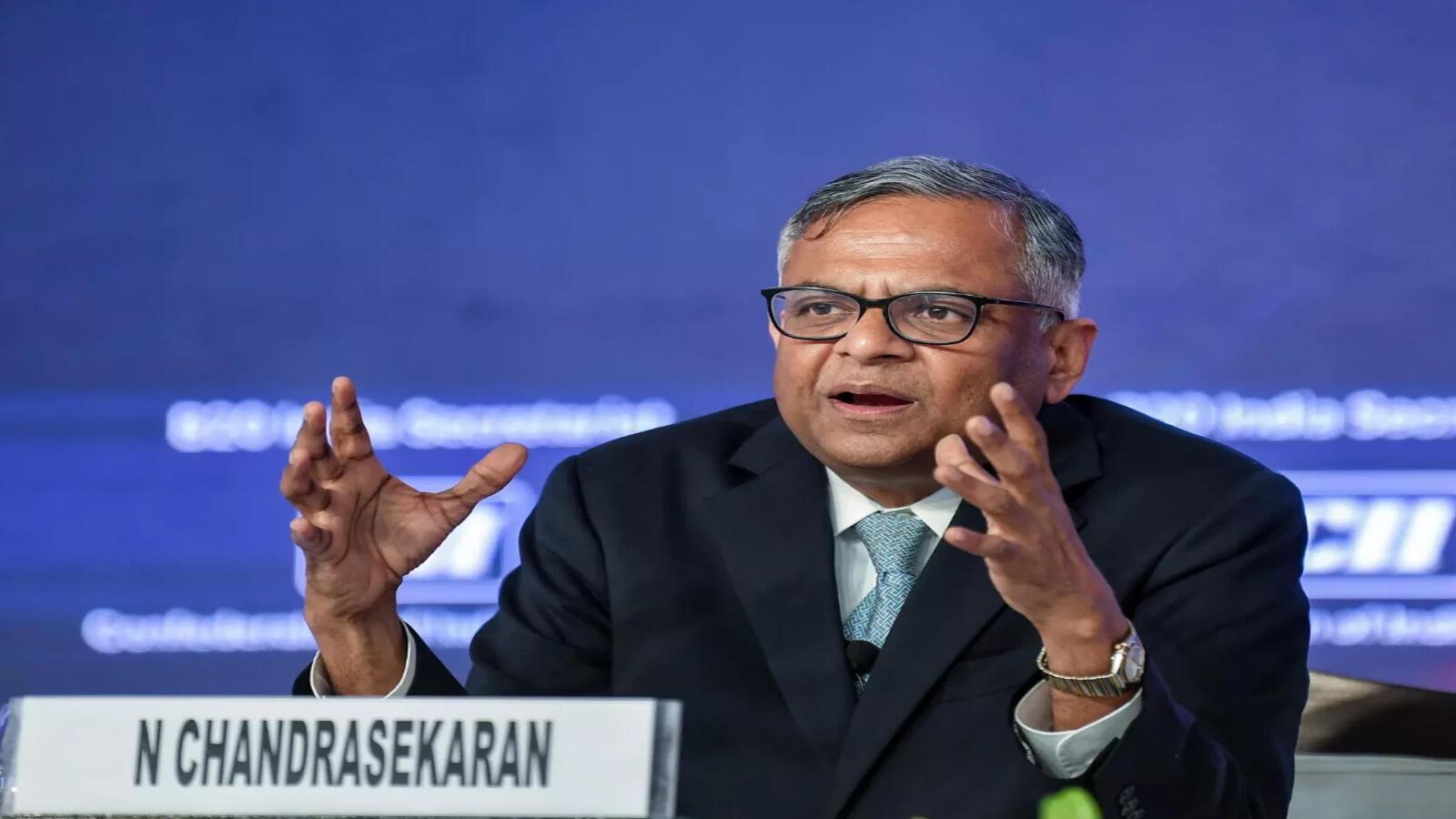
In a major development for India’s aviation industry, Air India may take up to a decade to complete its transformation into a world-class global airline, Tata Sons Chairman N. Chandrasekaran has revealed. The admission marks a significant shift from the airline’s original five-year revival roadmap announced after Tata Group regained ownership in 2022.
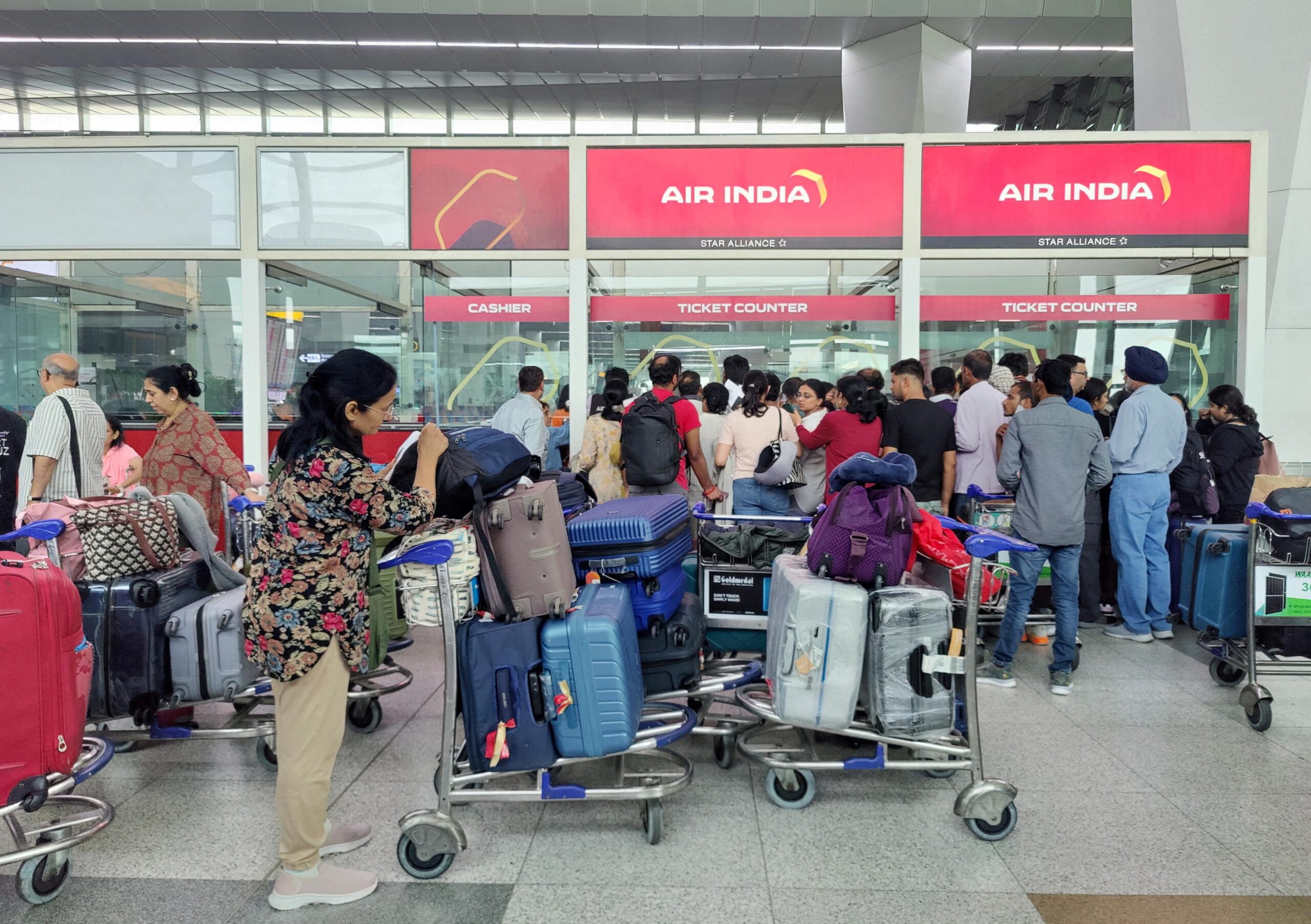
The update comes at a time when Air India is navigating one of the most difficult phases in its recent history, battling financial losses, operational disruptions, global supply-chain issues, and increased competition in the aviation sector.
Air India’s Transformation Timeline Extended
When Tata Group took control of Air India, it launched the ambitious Vihaan.AI transformation plan aimed at modernizing the airline, improving customer experience, expanding its fleet, and restoring its global reputation.
However, Chandrasekaran now says rebuilding a legacy airline is far more complex than initially expected.
According to the Tata Sons annual report, Air India’s transformation should be viewed as a five-to-ten-year journey, not a quick turnaround. He emphasized that every successful international airline has taken years to build, and Air India faces several unique challenges that require long-term investment and patience
Why Is Air India’s Revival Taking Longer?
Several factors have slowed Air India’s progress despite massive investments by Tata Group.
Global Supply Chain Problems
Aircraft deliveries continue to be delayed because of worldwide shortages of engines, spare parts, and aviation components, limiting Air India’s fleet expansion plans.
Rising Fuel Prices
Geopolitical tensions and airspace restrictions in West Asia have significantly increased operating costs, putting additional pressure on airline profitability.
Legacy Systems Need Modernization
Air India is replacing decades-old operational systems, upgrading technology, retraining employees, and reshaping company culture while continuing normal flight operations.
Financial Pressure
The airline continues to report heavy losses despite ongoing investments. Air India and Air India Express together posted a combined net loss exceeding ₹22,000 crore during FY26, highlighting the scale of the turnaround challenge.
Air India Continues Network Expansion Despite Challenges
Even as the airline works through financial and operational hurdles, expansion efforts remain underway.
On Tuesday, Air India launched its Easy Connect service from Amritsar, allowing passengers to travel seamlessly to 27 international destinations through Delhi under a single booking and baggage transfer process. The initiative supports India’s growing hub-and-spoke aviation strategy and is expected to improve international connectivity for travelers from Punjab.
The airline has also recently:
- Enhanced its mobile application
- Expanded premium cabin offerings
- Improved digital services
- Continued fleet modernization
- Increased international partnerships
Leadership Transition Adds Another Challenge
The airline is also preparing for a leadership change.
Former CEO Campbell Wilson, who spearheaded the Vihaan.AI strategy, is scheduled to step down later this year, with the company yet to officially announce his successor. The leadership transition comes during a crucial phase of Air India’s modernization program.
What This Means for Indian Travelers
For passengers, the extended transformation timeline means improvements will continue gradually rather than overnight.
Travelers can still expect:
- Better onboard experience
- New aircraft deliveries over time
- Expanded international connectivity
- Improved digital services
- Enhanced premium cabins
However, operational challenges, aircraft shortages, and industry-wide supply constraints are likely to continue affecting schedules and expansion plans over the coming years
Industry Outlook
Despite the setbacks, aviation analysts believe Air India’s long-term strategy remains one of the largest airline transformation projects globally. With hundreds of aircraft on order and continued investment from Tata Group, the airline is positioning itself for sustained growth, although profitability may take considerably longer than originally projected.
Conclusion
Air India’s revival journey has entered a more realistic phase. While Tata Group continues investing heavily in fleet expansion, digital transformation, and customer experience, Chairman N. Chandrasekaran’s latest remarks indicate that rebuilding India’s flagship carrier is a marathon rather than a sprint.
For millions of Indian travelers, the airline’s transformation remains one of the country’s most closely watched business stories, with expectations now firmly set on long-term progress rather than immediate results.
About the Author