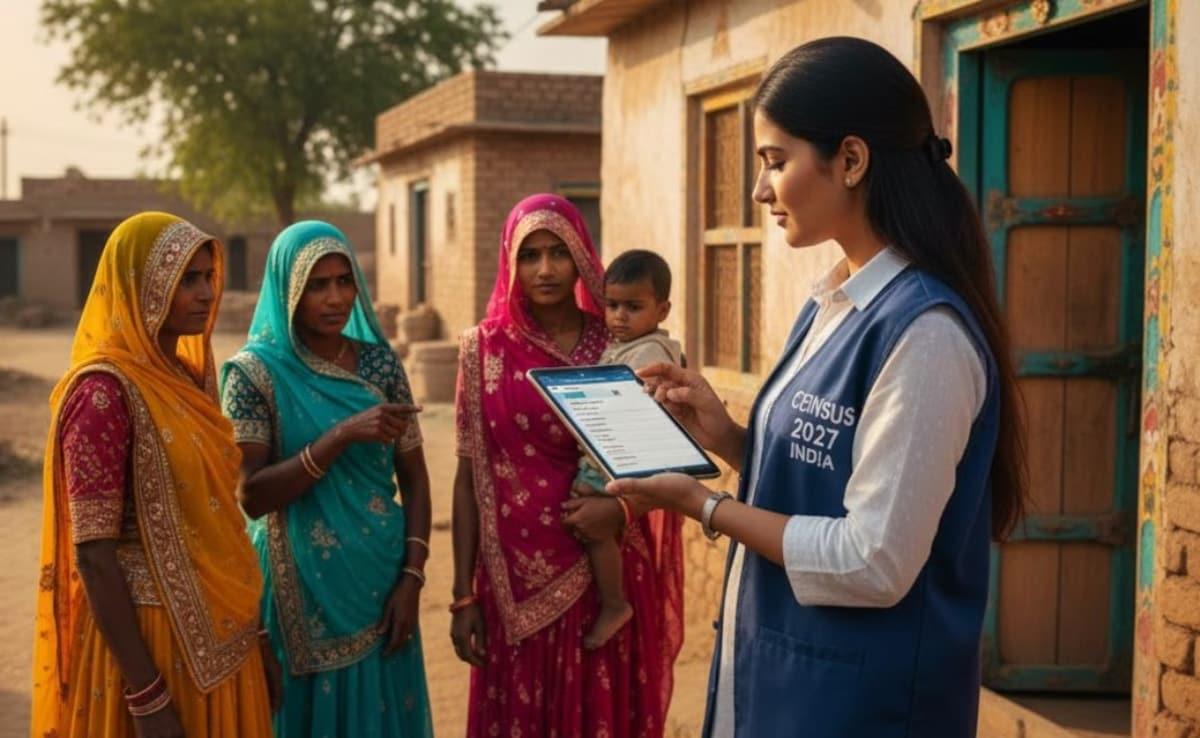
India’s long-awaited Census 2027 has entered a significant stage, marking the country’s first-ever fully digital population census. The nationwide exercise, considered the world’s largest demographic survey, is now progressing through house listing and self-enumeration activities in several states while door-to-door verification is scheduled in phases.
The Census comes after a gap of more than 15 years since the last nationwide census was conducted in 2011, making it one of the most important administrative exercises for policymaking, welfare planning, infrastructure development, and future electoral processes
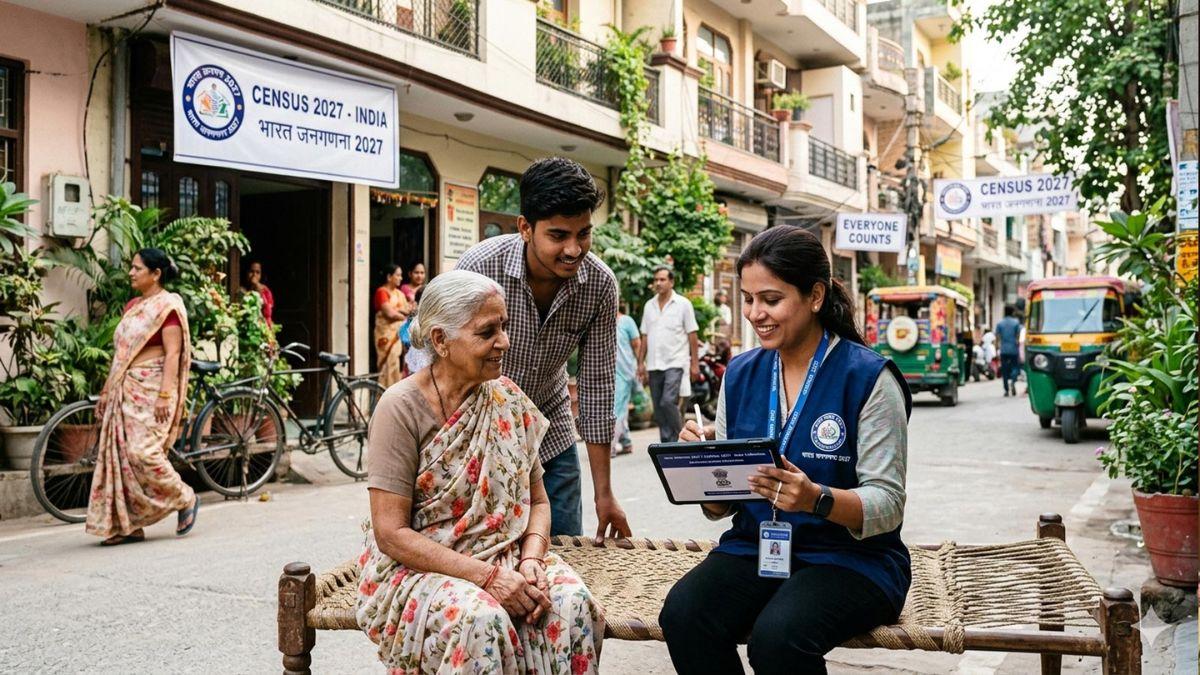
India’s First Digital Census Has Officially Begun
Unlike previous paper-based censuses, Census 2027 is being conducted using smartphones, secure digital applications, and an online self-enumeration portal.
Citizens in states where the first phase has started can complete their household details online before government enumerators visit their homes for verification. The government says this digital approach will improve accuracy, reduce paperwork, and speed up data processing.
House Listing Operations Underway in Multiple States
The first phase focuses on House Listing and Housing Census, during which officials collect information about:
- Residential buildings
- Household amenities
- Assets owned by families
- Drinking water and sanitation facilities
- Housing conditions
- Availability of electricity and internet
Several states have already started house listing operations, while others are conducting self-enumeration before physical verification. Tamil Nadu, Kolkata, and other regions have recently begun fresh rounds of census-related activities.
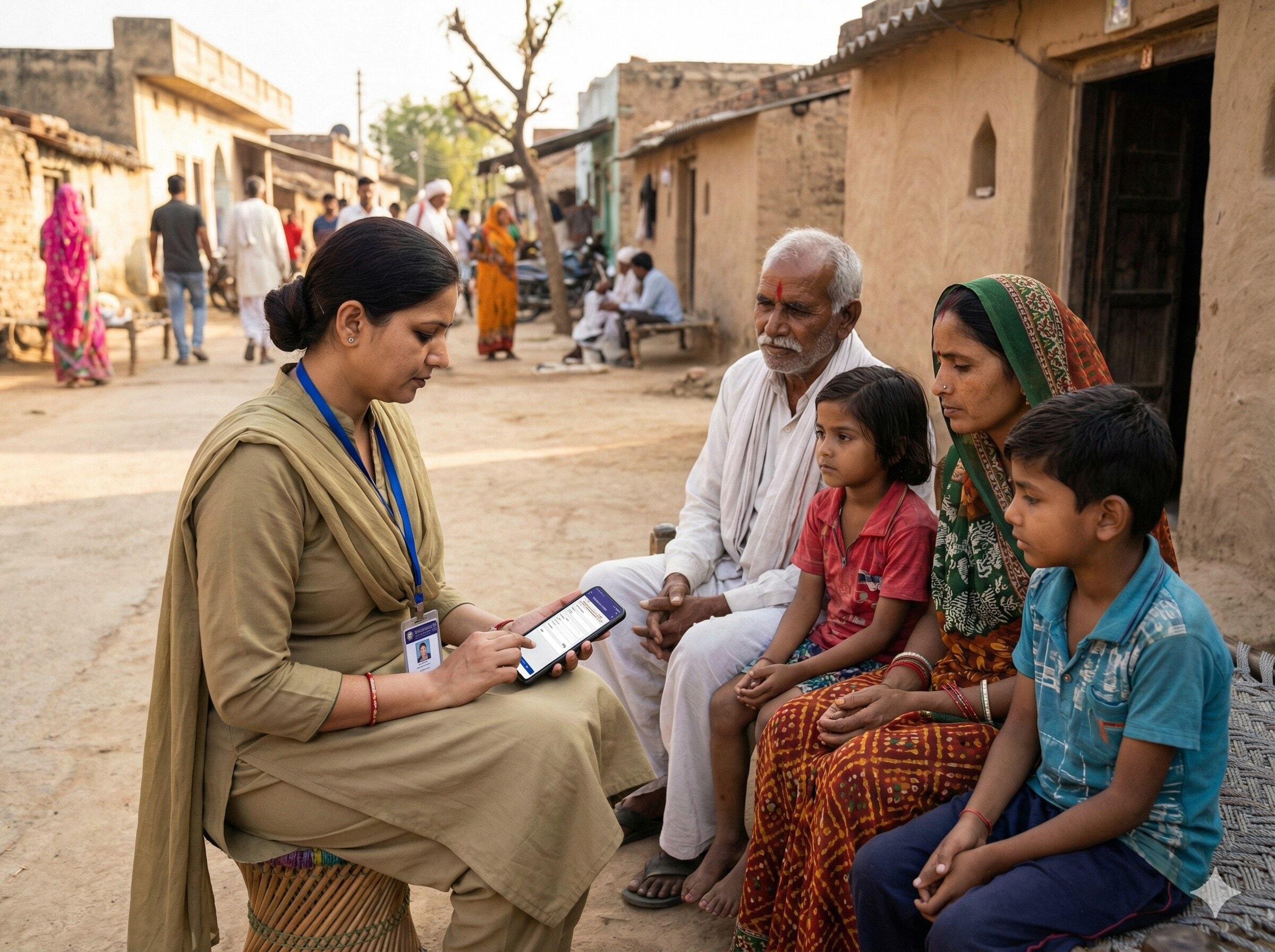
Population Enumeration Will Follow in 2027
After the house listing exercise, the second phase—Population Enumeration—will record detailed demographic information about every individual.
Officials will collect information related to:
- Age
- Gender
- Education
- Occupation
- Migration
- Language
- Fertility
- Disability
- Socio-economic characteristics
The official reference date for the national population count is March 1, 2027, while snow-bound regions will follow a separate schedule.
Caste Enumeration to Be Included
One of the biggest highlights of Census 2027 is the inclusion of caste enumeration, a major policy decision approved by the Central Government.
The government has confirmed that caste-related information will be collected during the Population Enumeration phase, making it one of the most significant additions to the upcoming census exercise.
Self-Enumeration: Citizens Can Submit Data Online
For the first time in India’s census history, eligible households can complete their census information online through the official self-enumeration portal before an enumerator visits.
Once completed, citizens receive a unique Self-Enumeration ID, which can be shared with the visiting census official for verification. This hybrid model is expected to reduce paperwork and improve data quality.
Why Census 2027 Matters
Experts believe Census 2027 will influence nearly every aspect of governance in India.
The updated population data will support:
- Welfare scheme planning
- Urban development
- Healthcare infrastructure
- School and college planning
- Transport projects
- Parliamentary and constituency planning
- Resource allocation to states
- Economic policy decisions
Since India has not conducted a national census after 2011, updated demographic information will play a crucial role in shaping future policymaking.
Technology Powers the Largest Census Ever
The Union Government has deployed a large digital infrastructure for Census 2027.
Key features include:
- Mobile application for enumerators
- Secure digital data centres
- Real-time monitoring dashboards
- GPS-enabled field management
- Multi-language online portal
- Millions of trained enumerators and supervisors
Officials say the digital platform improves both efficiency and data security throughout the nationwide exercise.
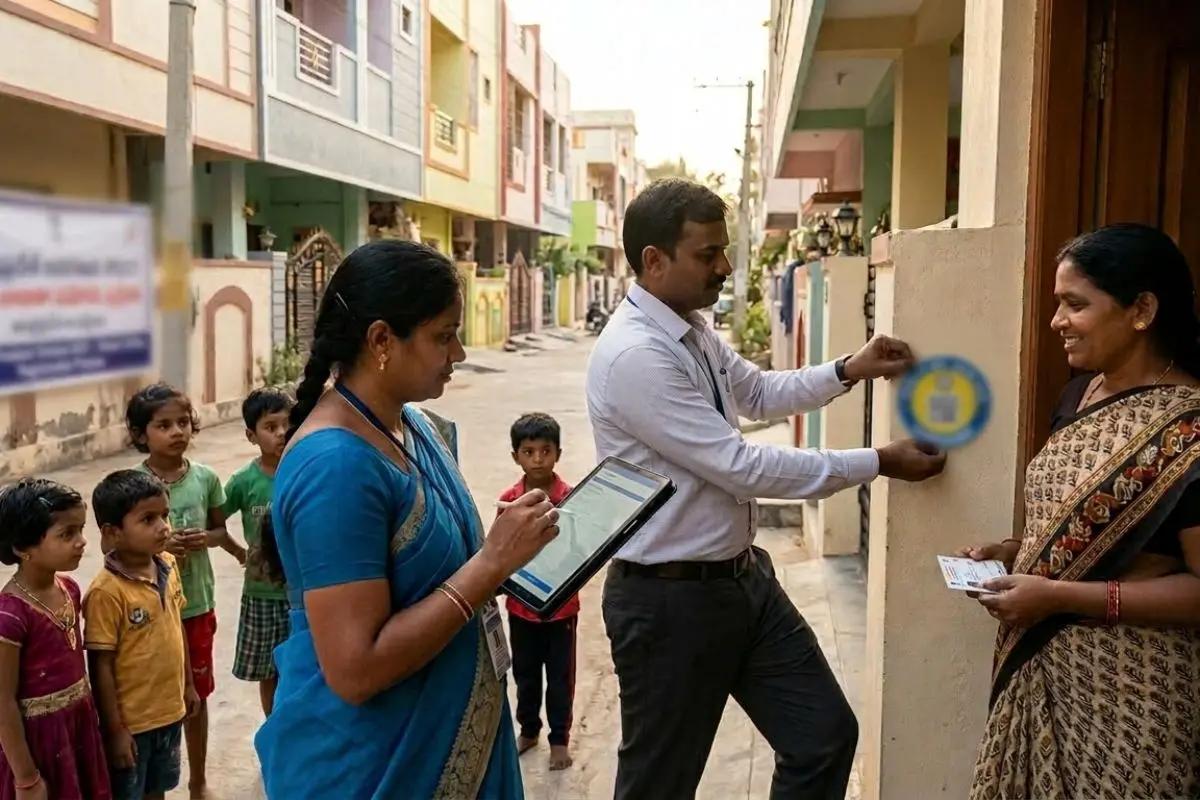
Latest Census 2027 Updates
Recent developments include:
- Self-enumeration has begun in additional regions.
- House listing operations are expanding across more states.
- Local authorities have involved schools and awareness campaigns to improve participation.
- Enumerators will continue door-to-door verification after online submissions in many locations.
What Citizens Should Do
If Census activities have started in your area:
- Complete self-enumeration if available.
- Keep basic household information ready.
- Verify the identity card of visiting enumerators.
- Provide accurate information to ensure correct official records.
- Follow updates issued by local authorities regarding census schedules.
Conclusion
With digital technology, online self-enumeration, and the inclusion of caste data, Census 2027 represents the biggest transformation in India’s population survey since Independence.Officials are expanding house listing operations across the country, and as millions of households prepare for enumeration, Census 2027 will help the government shape welfare schemes, development policies, and future planning for the next decade.
About the Author