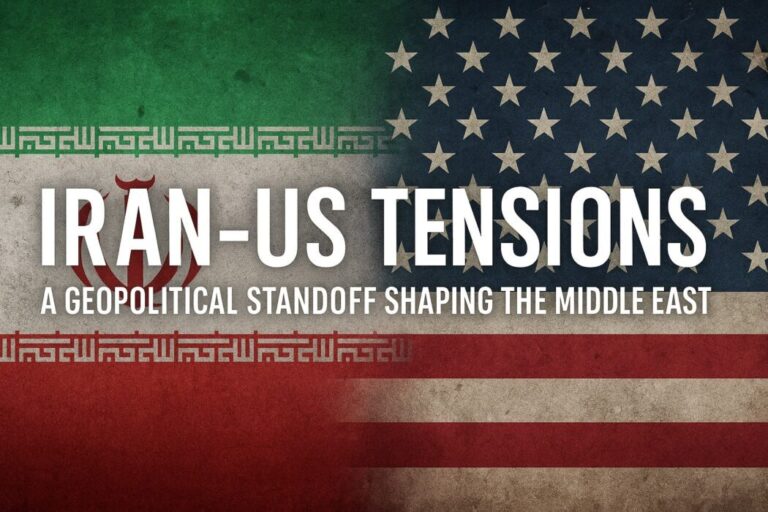
In recent months, rising tensions between the United States and Iran have once again captured international attention. At first glance, such geopolitical conflicts may seem far removed from everyday life in India. However, their consequences can travel much closer to home—sometimes even affecting something as basic as a kitchen LPG cylinder.
The uncertainty created by such tensions can be alarming. Many analysts warn that prolonged instability could affect multiple industries, and some even fear that sectors like hospitality and tourism might face setbacks if fuel prices surge globally.
Most Indian households depend on LPG cylinders for daily cooking. But have you ever wondered how a conflict thousands of kilometers away could influence the LPG cylinder price in India?
The answer lies in the interconnected nature of the modern global energy market.
Global Conflicts and Energy Supply
The relationship between geopolitical tensions and energy supply is not new. Whenever instability rises in the Middle East, energy markets across the world react quickly.
The region controls a large share of global oil and gas reserves. Therefore, even a small disruption can create panic in international markets.
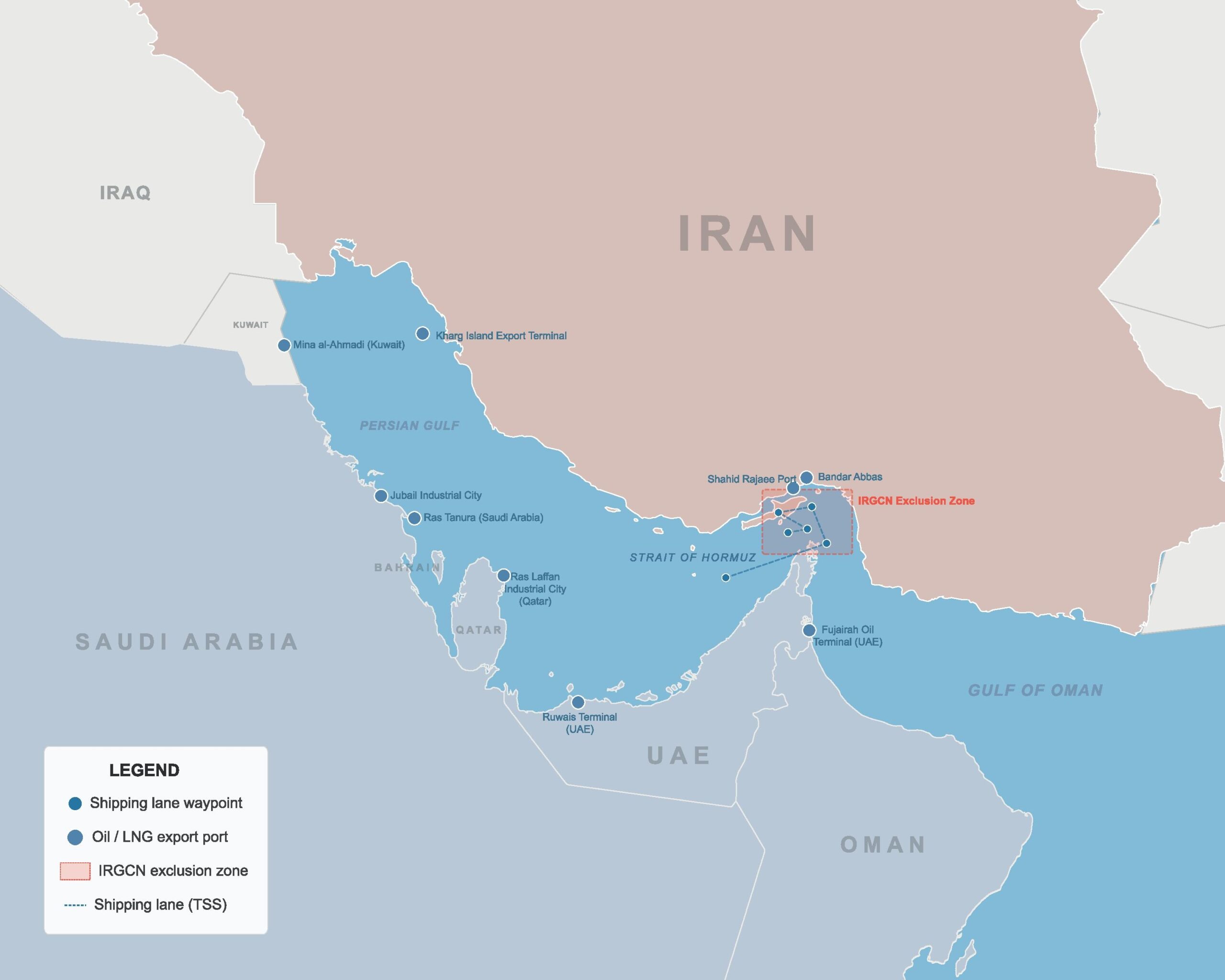
If the United States Iran conflict escalates into a larger confrontation, global energy transportation routes could face serious disruptions. One of the most critical routes is the Strait of Hormuz. A large portion of the world’s oil and liquefied petroleum gas passes through this narrow waterway every day.
Now imagine this scenario: what happens if shipments slow down or supply becomes uncertain?
Naturally, the risk of a global LPG supply crisis begins to rise.
Why India Is Sensitive to LPG Supply Changes
India imports a significant portion of its LPG from international markets. This means the country is closely connected to fluctuations in global fuel prices.
When geopolitical tensions rise, international LPG prices often increase because markets fear supply disruptions. Even the possibility of restricted shipments can push prices upward.
This situation directly influences the LPG cylinder price in India, particularly for households that rely on subsidized cooking gas.
It raises an important question: are Indian households indirectly affected by conflicts happening thousands of miles away?
In many ways, the answer is yes. In fact, the ground reality suggests that such global tensions can quickly create economic pressure on everyday consumers.
The Chain Reaction in Energy Markets
A conflict involving Iran could affect not just oil but also gas transportation. Iran is a major energy producer, and any sanctions or military escalation could restrict exports.
When uncertainty enters the market, traders begin speculating about possible shortages. Interestingly, prices often start rising even before an actual shortage occurs.
This domino effect can lead to what many experts describe as a global energy crisis 2026, where countries rush to secure stable fuel supplies.
From a personal perspective, it is both fascinating and concerning to see how interconnected the world has become. A diplomatic decision in one region can influence the cost of cooking fuel in another.
It also raises a deeper question: have we ever stopped to think that our daily kitchen expenses might be shaped by international diplomacy?
The Impact on Indian Households
For millions of families across India, LPG cylinders are essential for everyday cooking. Even a small increase in price can disturb household budgets.
If tensions escalate further, experts warn that the India LPG shortage risk could grow, especially if shipping routes face disruption or global demand suddenly rises.
The situation highlights a broader concern. Should countries like India invest more aggressively in alternative energy sources to reduce dependence on imported fuels?
Many energy analysts believe this could be the most sustainable long-term solution.
The Bigger Picture
The connection between global conflicts and everyday resources is becoming clearer each year. The Middle East energy crisis impact does not remain limited to oil refineries or global markets.
It can influence transportation costs, electricity generation, and even the price of cooking fuel used in ordinary households.
When news about rising tensions between the United States and Iran appears on television, it may feel like distant political drama. Yet the consequences can slowly reach our kitchens.
In reality, the people most affected by such global tensions are often ordinary citizens.
This reminds us how closely global politics, economics, and daily life are intertwined.
Conclusion
The possibility of an LPG crisis caused by escalating tensions between the United States and Iran highlights the fragile nature of global energy supply chains.
As countries continue to rely heavily on imported fuel, geopolitical conflicts will inevitably influence global LPG supply crisis trends and the LPG cylinder price in India.
For policymakers, monitoring energy supply routes and stabilizing domestic prices will remain crucial in protecting household affordability.
And perhaps the most important question remains: in a deeply interconnected world, how prepared are we to handle the ripple effects of global conflicts on our everyday lives?
About the Author