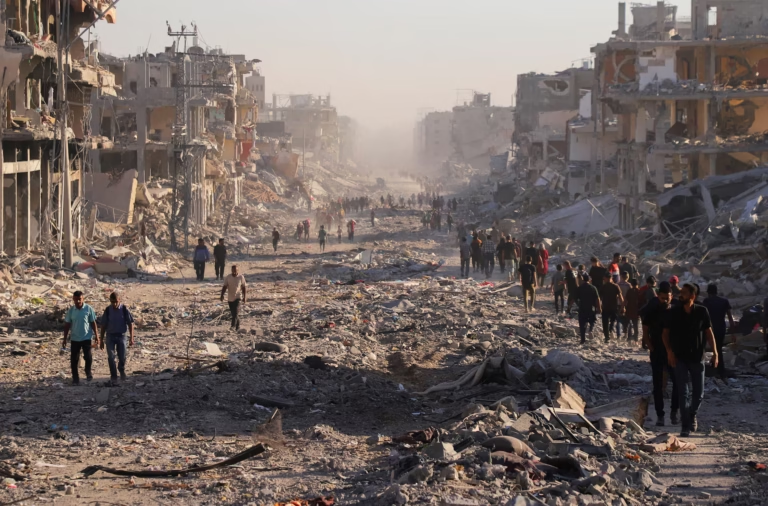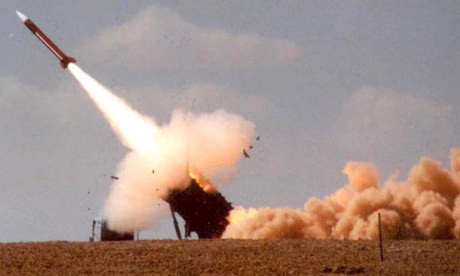
In recent times, the U.S.–Iran conflict has once again captured global attention. Reports of the United States targeting Iranian missile-related sites have raised serious concerns about diplomacy, timing, and the fragile state of peace in the Middle East. At a moment when the world expected restraint and a possible cool down period, these actions have intensified fears of escalation.
Notably, reports mention strikes around Kharg Island—a critical Iranian oil hub—and areas near the Strait of Hormuz, one of the most strategically important waterways in the world. These developments have sparked widespread debate around global security, oil supply risks, military strategy, and international diplomacy, especially as tensions between Iran, Israel, and the United States continue to dominate headlines.
Breaking the “Cool Down” Understanding
Traditionally, during periods of high tension, nations attempt to maintain informal de-escalation or cool down phases. These pauses are crucial because they allow diplomatic channels to function and reduce the risk of direct confrontation.
However, recent developments suggest that such a cooling phase has not held. The reported U.S. strikes on Iran-linked missile sites have been interpreted by many analysts as a clear departure from de-escalation efforts. As a result, the situation has grown more volatile, with rising fears of retaliation and further military escalation.
Additionally, there have been concerns over the possible use of high-impact weaponry, including bunker-buster bombs targeting fortified or nuclear-linked sites. If true, this signals a significant shift in the intensity of the conflict. Such actions not only reflect immediate security concerns but also indicate long-term strategic positioning in the region.
Strategic Intent or Escalation Risk?
From a strategic standpoint, the United States has consistently maintained that its actions are aimed at deterring threats and protecting its interests and allies. In complex conflict zones like the Middle East, military responses are often framed as preventive measures.
However, critics argue that such strikes may increase instability rather than reduce it. When tensions are already high, any aggressive move risks triggering a chain reaction. This is particularly relevant in the context of ongoing Iran–Israel tensions, the Gaza conflict, and broader geopolitical rivalries.
Therefore, the situation presents a difficult question:
Is this a calculated move to ensure security, or does it risk pushing the region closer to a larger and more dangerous conflict?
Global Reaction and Shifting Alliances
Another key dimension of this issue is the global response. In earlier conflicts, the United States often received strong and unified backing from its allies. However, the current scenario appears more complex.
Many countries and international organizations are now urging restraint, dialogue, and diplomatic engagement instead of further military escalation. Global leaders have emphasized the need to avoid actions that could destabilize the region further, especially given the strategic importance of the Strait of Hormuz for global oil trade.
This shift reflects a changing global dynamic. Nations are increasingly cautious about supporting actions that could lead to widespread instability. As a result, the United States may face greater scrutiny and more conditional support compared to previous conflicts.
Public Statements and Communication Challenges
In times of conflict, communication plays a critical role. Official statements shape global perception and influence how actions are understood.
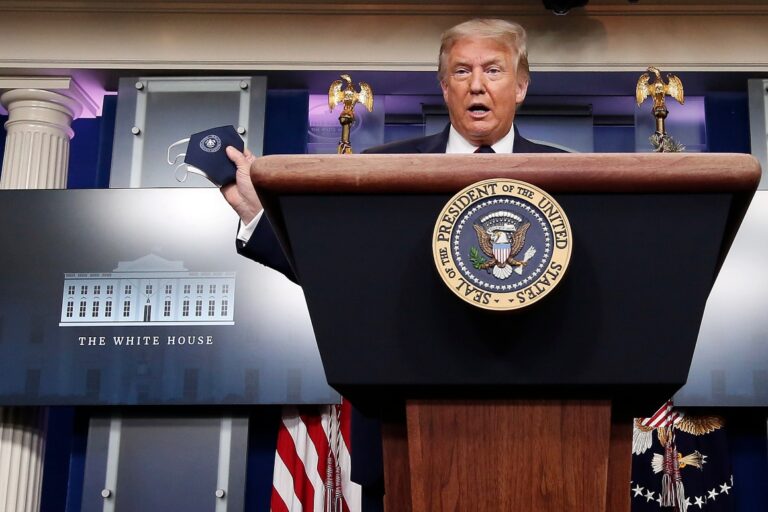
However, statements that appear overly informal, unclear, or inconsistent with the seriousness of the situation can attract criticism. In sensitive geopolitical environments, measured, precise, and responsible communication is essential to maintain credibility and avoid misunderstandings.
Therefore, beyond military action, the way leaders communicate also significantly impacts global trust and diplomatic relations.
The Bigger Picture: Diplomacy vs Military Action
These developments highlight a long-standing global debate:
Should nations rely on military action to assert control, or should they prioritize diplomatic solutions and dialogue?
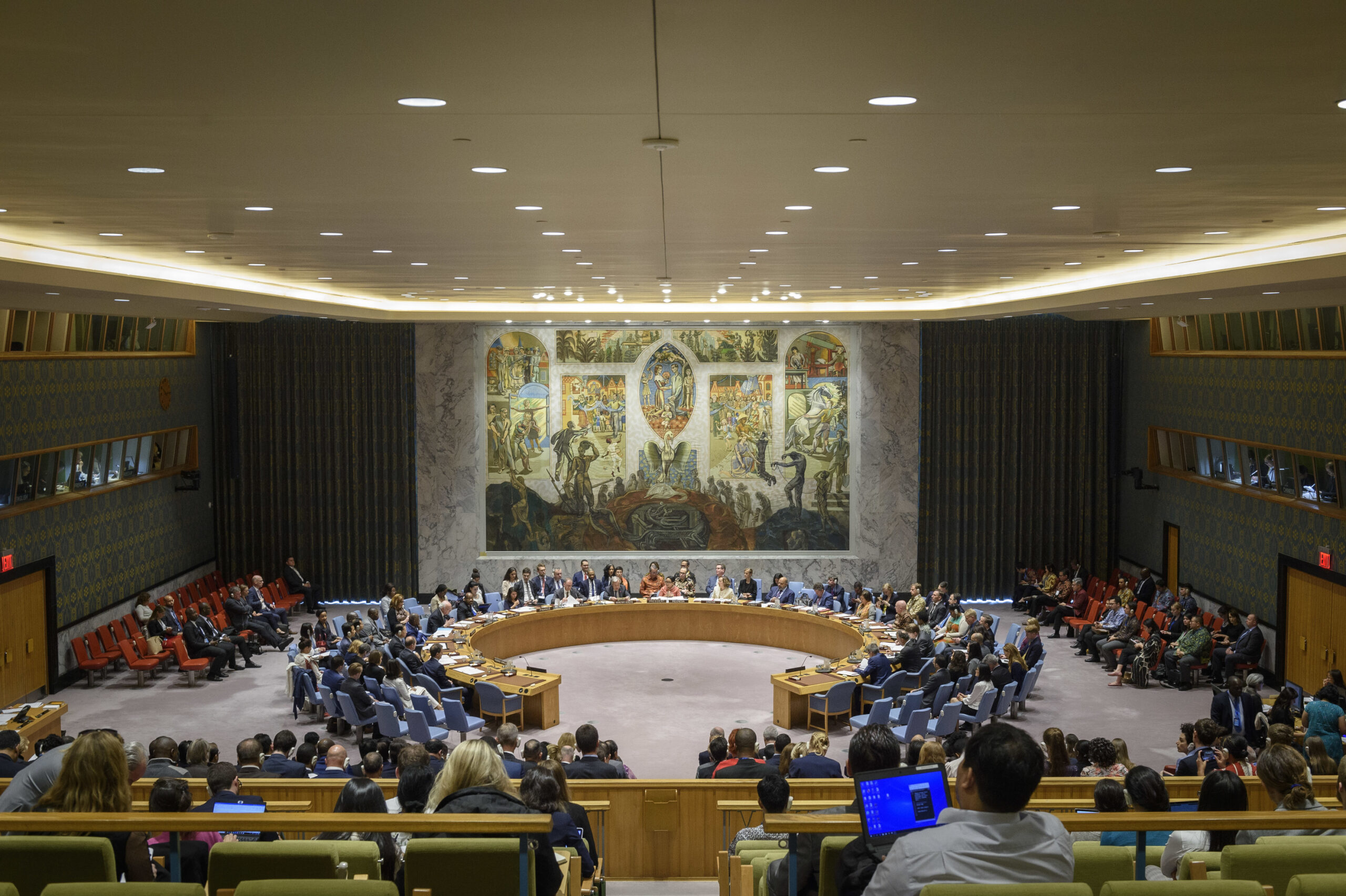
Report of the Secretary-General on the protection of civilians in armed conflict (S/2019/373)
Letter dated 8 May 2019 from the Permanent Representative of Indonesia to the United Nations addressed to the Secretary-General (S/2019/385)
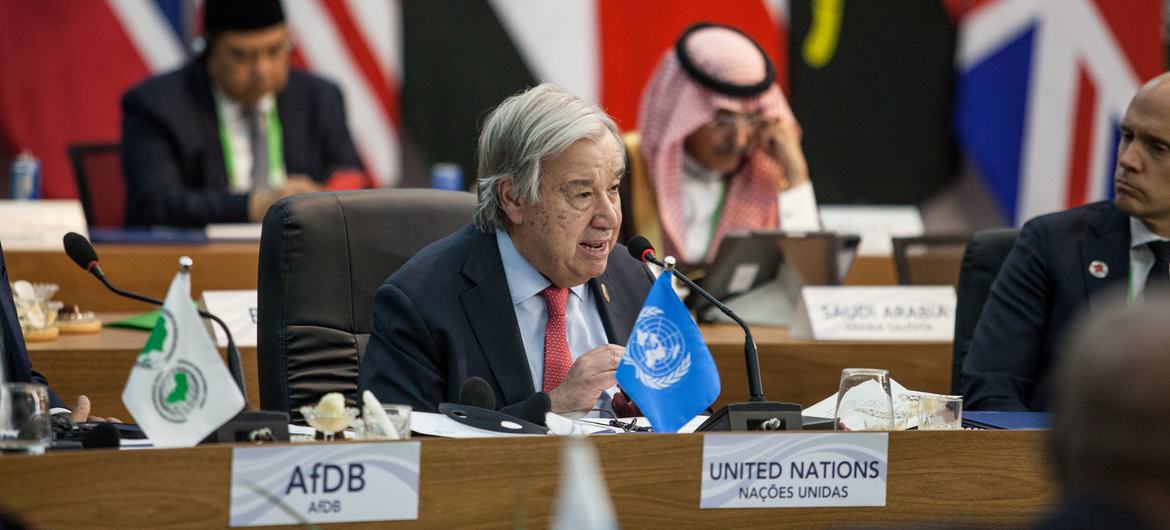
1 Secretary-General Antnio Guterres
While military strategies may provide short-term advantages, sustainable peace often depends on negotiation, cooperation, and mutual understanding. In the case of U.S.–Iran tensions, the path forward remains uncertain, but the stakes are undeniably high.
Continued escalation could have far-reaching consequences, affecting not just the Middle East but also global markets, energy security, and international stability.
Conclusion
The reported U.S. strikes on Iranian missile sites, including areas near Kharg Island and the Strait of Hormuz, have added a new layer of complexity to an already tense geopolitical landscape. The apparent breakdown of a cool down period, combined with cautious global reactions, signals a critical moment in international relations.
As the world watches closely, the need for balanced decision-making, diplomatic engagement, and responsible leadership has never been more urgent.
Ultimately, lasting peace cannot be achieved through force alone. It requires cooperation, dialogue, and a shared commitment to reducing conflict rather than intensifying it.
About the Author