Silenced from Gaza: Hind Rajab — A Story Indian Cinema Hesitates to Telecast
Introduction
In a world where cinema often reflects reality, some stories remain unheard—not because they lack truth, but because they carry uncomfortable truths. Hind Rajab’s story from Gaza is one such narrative. It is emotional, deeply human, and closely tied to the ongoing Israel–Gaza war, one of the most discussed global conflicts today.
Yet, despite its humanitarian depth and global relevance, Indian cinema has hesitated to bring this story to the big screen. This hesitation opens up a larger conversation about freedom of expression, political sensitivity, censorship in India, and the role of cinema in shaping public awareness.
It is often felt that such films are handled cautiously because they may affect diplomatic ties. Some observers believe that showcasing Gaza-centric narratives could strain India’s relationship with Israel. However, beyond politics, stories like Hind Rajab’s continue to live in the conscience of the world, demanding attention and empathy.
The Story of Hind Rajab and Its Connection to Gaza
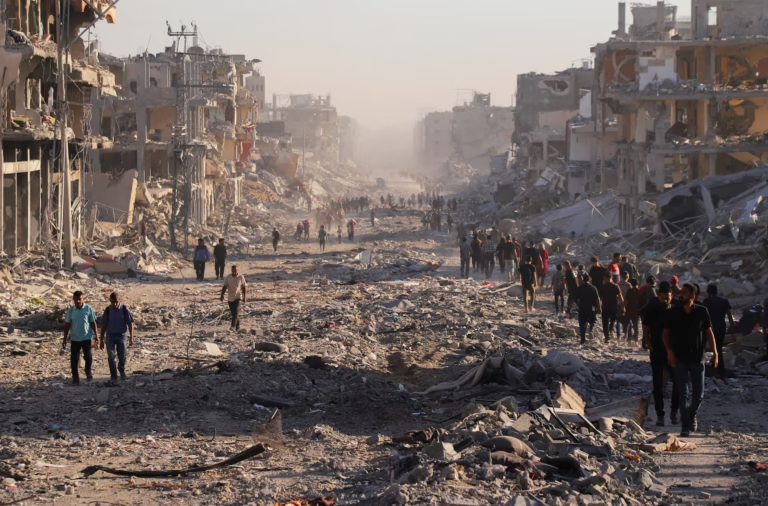
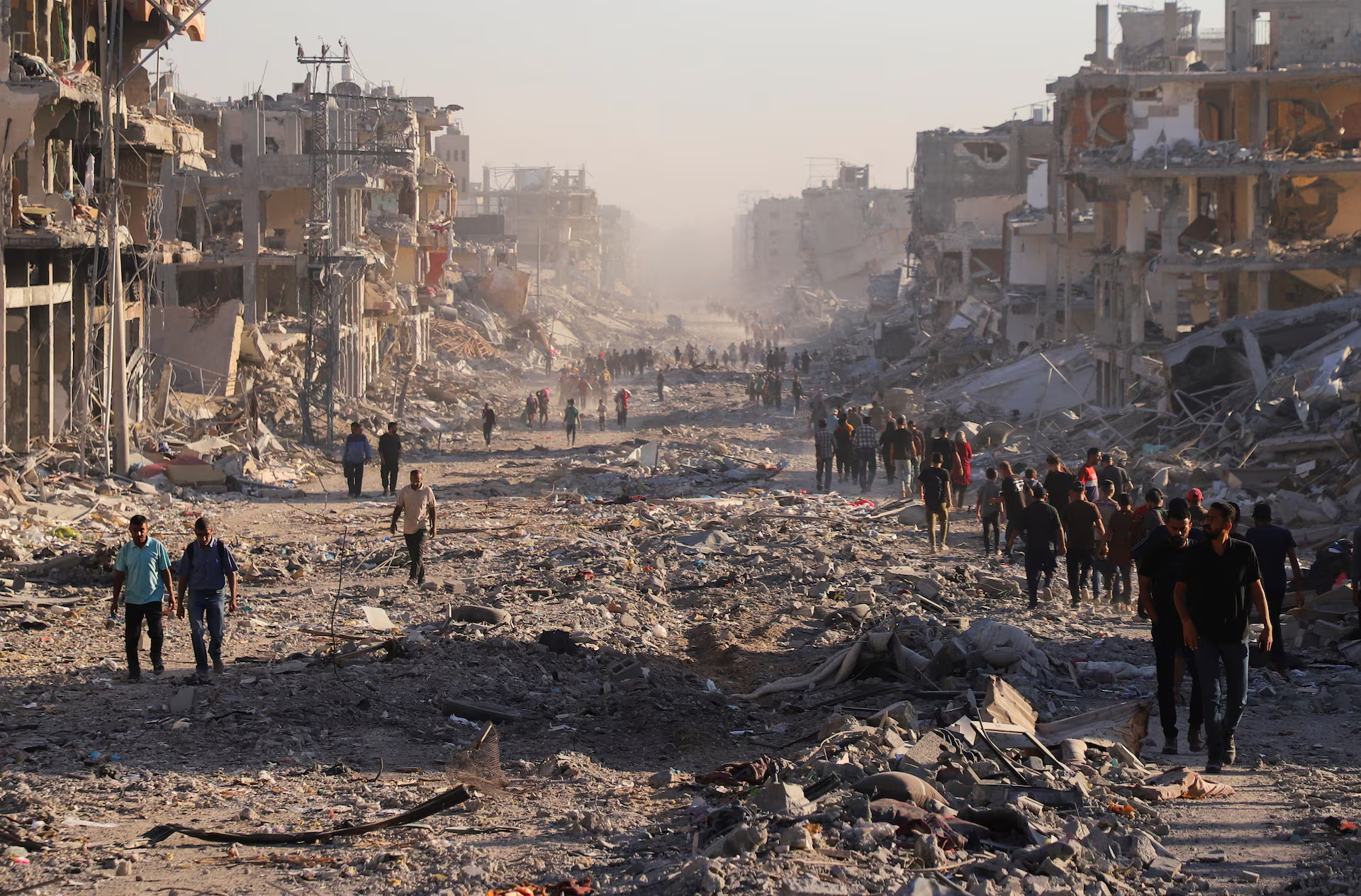
Hind Rajab’s story emerges from the heart of Gaza, a region that has remained at the center of international headlines due to the ongoing war. Her story represents the suffering of innocent civilians—especially children—caught in conflict zones.
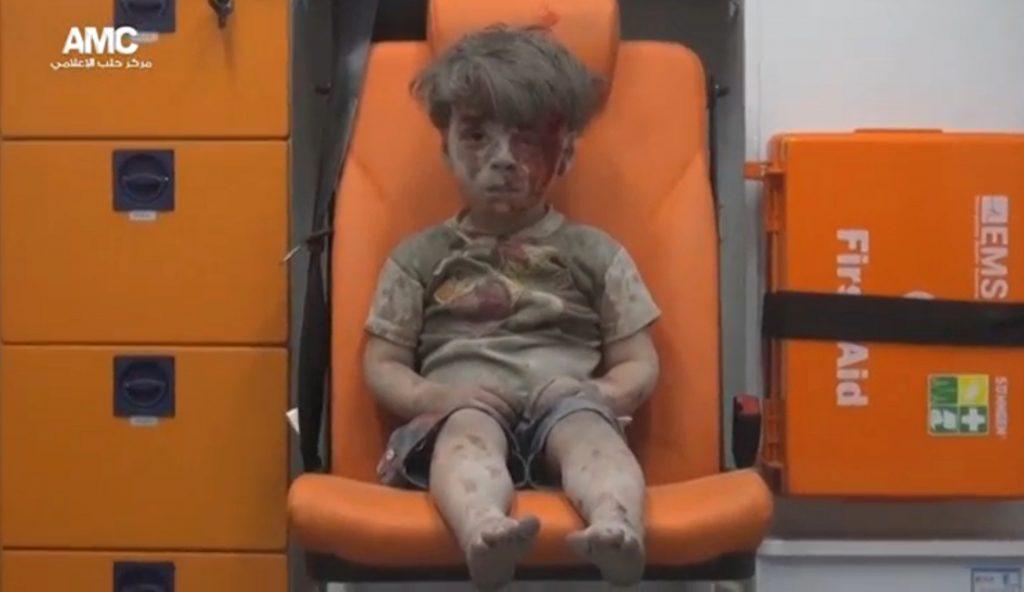
At a time when the Israel–Palestine conflict dominates global discourse, such narratives carry immense emotional weight. They highlight the human cost of war—something numbers and statistics often fail to convey.
Therefore, a film based on Hind Rajab is not merely storytelling. Instead, it becomes a powerful reflection of ground realities in Gaza, making it both impactful and sensitive for audiences worldwide.
Why Indian Cinema Hesitates to Telecast Such Stories
India, as a significant global player, maintains strategic diplomatic relations with several nations, including Israel. Because of this, content related to geopolitical conflicts is often approached with caution.
Firstly, films focusing on Gaza may be perceived as presenting a particular perspective. This raises concerns about diplomatic balance and national interest.
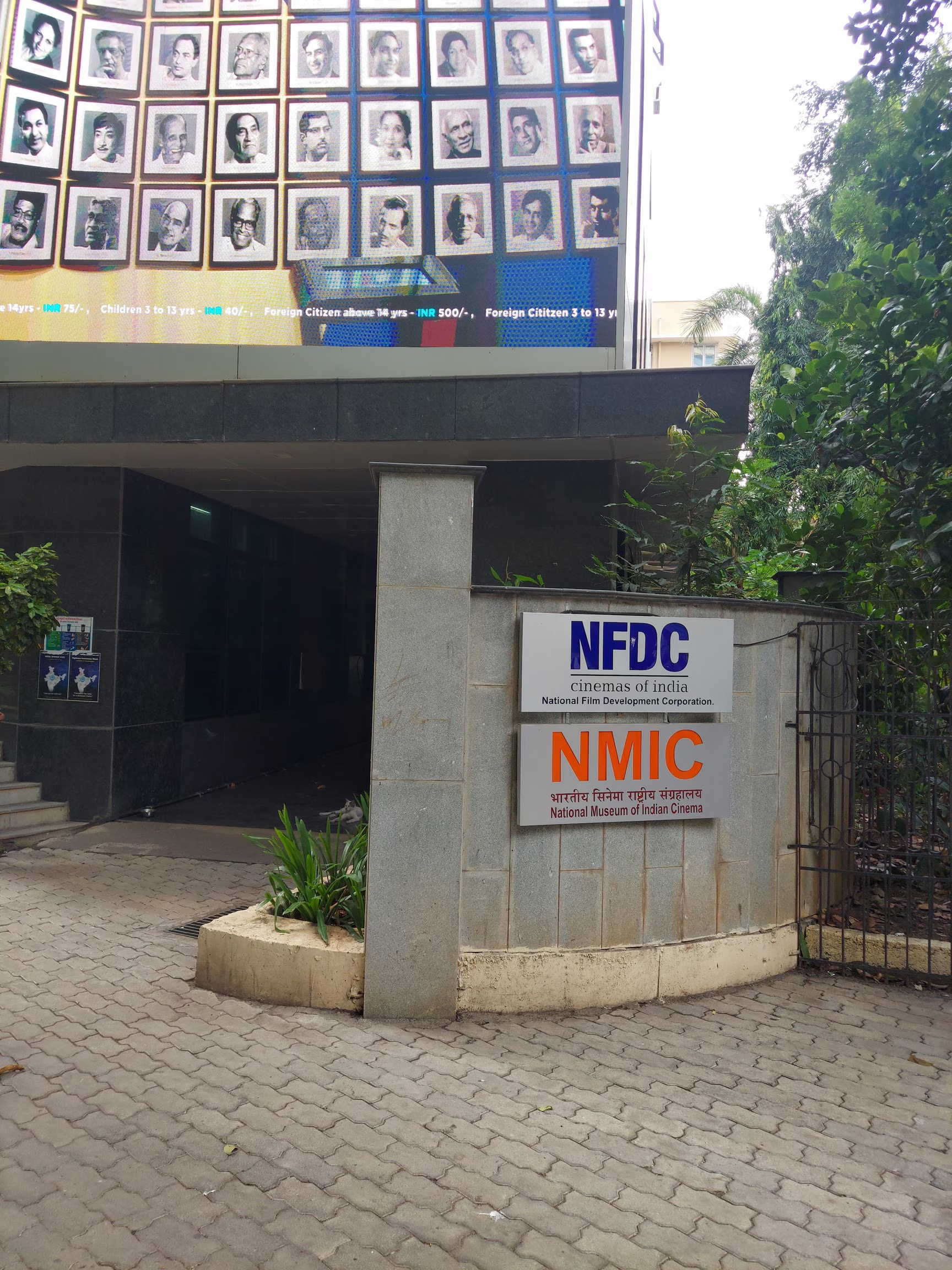
Secondly, there is a genuine fear of public reaction and social sensitivity. Topics like the Israel–Gaza war can trigger strong opinions, debates, and emotional responses. Consequently, regulatory bodies and film distributors tend to act carefully.
Moreover, Indian cinema operates within a framework where censorship guidelines prioritize public order and international relations. As a result, films dealing with ongoing wars or politically sensitive themes often face delays or restrictions.
Thus, the issue is not simply about rejecting a film; rather, it reflects a complex intersection of politics, public sentiment, and global diplomacy.
The Political Angle: Balancing Diplomacy and Expression
It is widely observed that authorities exercise caution when it comes to showcasing content related to Gaza. The concern is not always about the story itself, but about how it might be interpreted by audiences.
On one hand, cinema serves as a powerful tool for awareness, empathy, and storytelling. On the other hand, governments must consider international relationships and internal harmony.
As a result, stories like Hind Rajab’s fall into a grey area—where art meets politics, and decisions become more layered and complex.
Global Perspective: UN and Humanitarian Voices
While some countries approach such narratives cautiously, international organizations and humanitarian groups consistently emphasize the importance of sharing them.
The United Nations (UN) and various global human rights organizations have repeatedly highlighted the humanitarian crisis in Gaza, especially its devastating impact on children. These organizations advocate for awareness, accountability, and global dialogue.
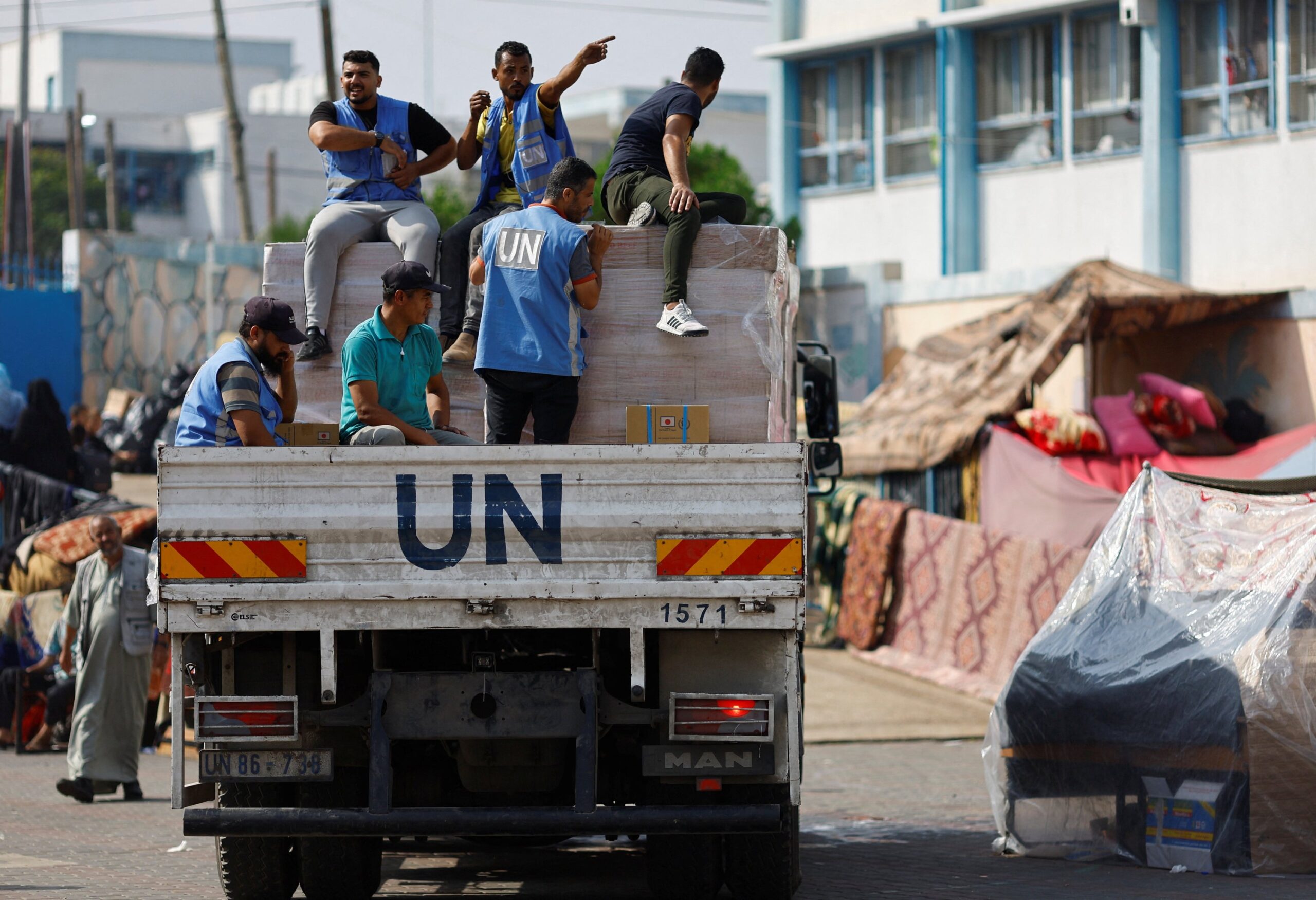
From their perspective, stories like Hind Rajab’s are essential because they:
- Humanize the conflict
- Draw attention to civilian suffering
- Encourage empathy and global response
At the same time, many international filmmakers and activists believe that cinema should amplify such voices rather than silence them, ensuring that human stories are not lost in political debates.
Cinema, War, and Responsibility
The hesitation surrounding such films reflects a broader global debate:
Should cinema prioritize truth and emotional storytelling, or should it align with political and diplomatic considerations?
There is no simple answer. However, films based on real-life conflicts carry a unique responsibility. They must strike a careful balance between authentic storytelling and social sensitivity, especially when the subject is as complex as the Israel–Gaza war.
Conclusion
Silenced from Gaza: Hind Rajab is more than just a film concept—it represents countless unheard voices from conflict zones. Its limited visibility in Indian cinema highlights the challenges of presenting politically sensitive narratives in a complex global environment.
However, as conversations around Gaza, the Israel–Palestine conflict, human rights, and war stories continue to grow, the demand for such narratives is likely to increase.
Ultimately, cinema has the power to bridge gaps, create empathy, and spark meaningful dialogue. Whether widely telecast or not, stories like Hind Rajab’s remain deeply important—reminding the world of the human side of conflict and the urgent need for compassion.
About the Author