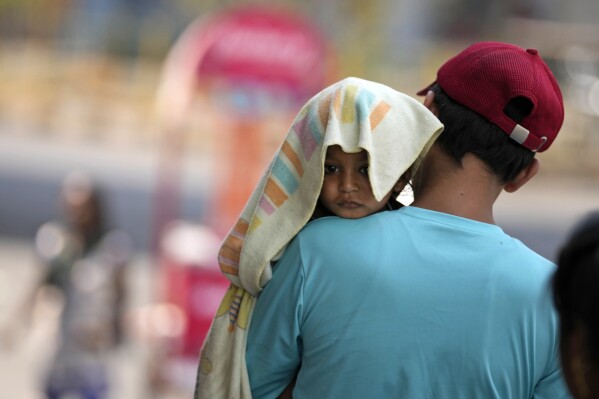
If you stepped outside in March 2026 and felt as if someone had secretly switched the season from spring to peak summer, you are not imagining things. People have already started using ACs in their homes and offices much earlier than usual. The sudden change in weather has made many of us wonder: Did summer skip the waiting list this year?
India is currently experiencing an early heatwave in India 2026, and the rising temperatures are becoming almost unbearable for many people. Normally, heatwaves in the country begin around April or May. However, this year the temperature started rising sharply in early March itself.
According to the India Meteorological Department, several regions have recorded temperatures 4–8°C above normal. This makes it one of the earliest heatwave alerts in India in recent years.
Rising Temperatures Across India
The heat is not limited to just one region. Cities across India are already feeling the intensity of this extreme summer in India.
For instance, parts of Rajasthan and Gujarat have already recorded temperatures close to 40°C in early March. This is highly unusual for this time of the year.
Even hill states like Himachal Pradesh, which usually enjoy pleasant spring weather, have reported unexpected heat conditions. It feels strange to think that even our mountains are now facing the impact of this early summer in India.
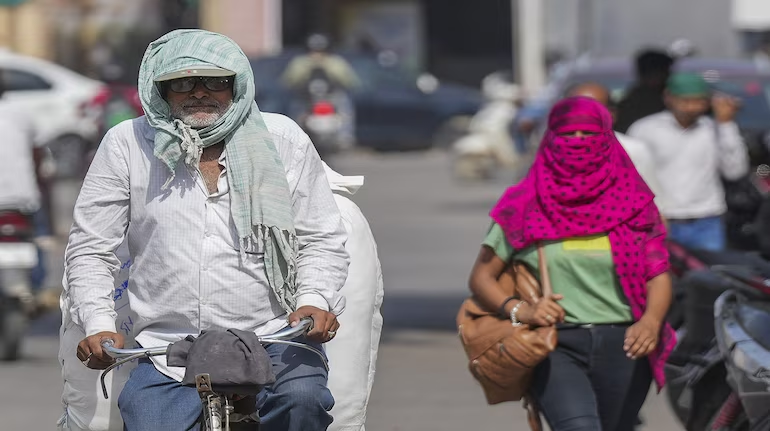
Meanwhile, central Indian cities in Madhya Pradesh have also experienced above-normal temperatures, showing that the 2026 heatwave in India is affecting multiple regions simultaneously.
Now imagine the situation: it is only March, yet fans are already running at full speed, and people are searching for the AC remote as if it were a hidden treasure. If this is only the beginning of summer, one question naturally arises: What will May feel like?
Why Is India Experiencing an Early Heatwave?
Meteorologists believe that multiple factors are responsible for this sudden rise in temperature.
First, the absence of winter rain systems known as western disturbances has played a major role. These weather systems usually bring cool winds and light rainfall to North India during late winter.
Another important factor is the influence of changing ocean patterns, especially El Niño, which can lead to warmer global temperatures and unusual weather patterns.
However, the most concerning reason behind this early heatwave in India is climate change. Experts have repeatedly warned that rising global temperatures could result in longer summers, shorter winters, and unpredictable weather patterns.
The 2026 heatwave in India may be another sign that these predictions are slowly becoming reality.
Real-Time Impact of the Heatwave
The heatwave impact in India is already visible in daily life.
Farmers in wheat-growing regions are worried because excessive heat during March can reduce crop yields. The farming sector truly depends on balanced seasons for productive harvests.
Health experts are also advising people to stay hydrated, avoid stepping outside during peak sunlight hours, and watch out for symptoms of heat exhaustion.
In cities, the heat is quietly changing routines. Afternoon streets appear emptier than usual. Cold drink stalls are doing brisk business. And everywhere, people are saying the same thing: “It’s only March… why does it feel like June?”
Is Early Summer the New Normal?
This situation raises an uncomfortable but important question: Is early summer becoming the new normal in India?
If temperatures continue to rise this quickly every year, India may have to rethink many things—from agricultural planning to urban infrastructure.
Water demand will increase. Electricity consumption will surge. Moreover, vulnerable communities could face serious challenges due to prolonged extreme heat in India.
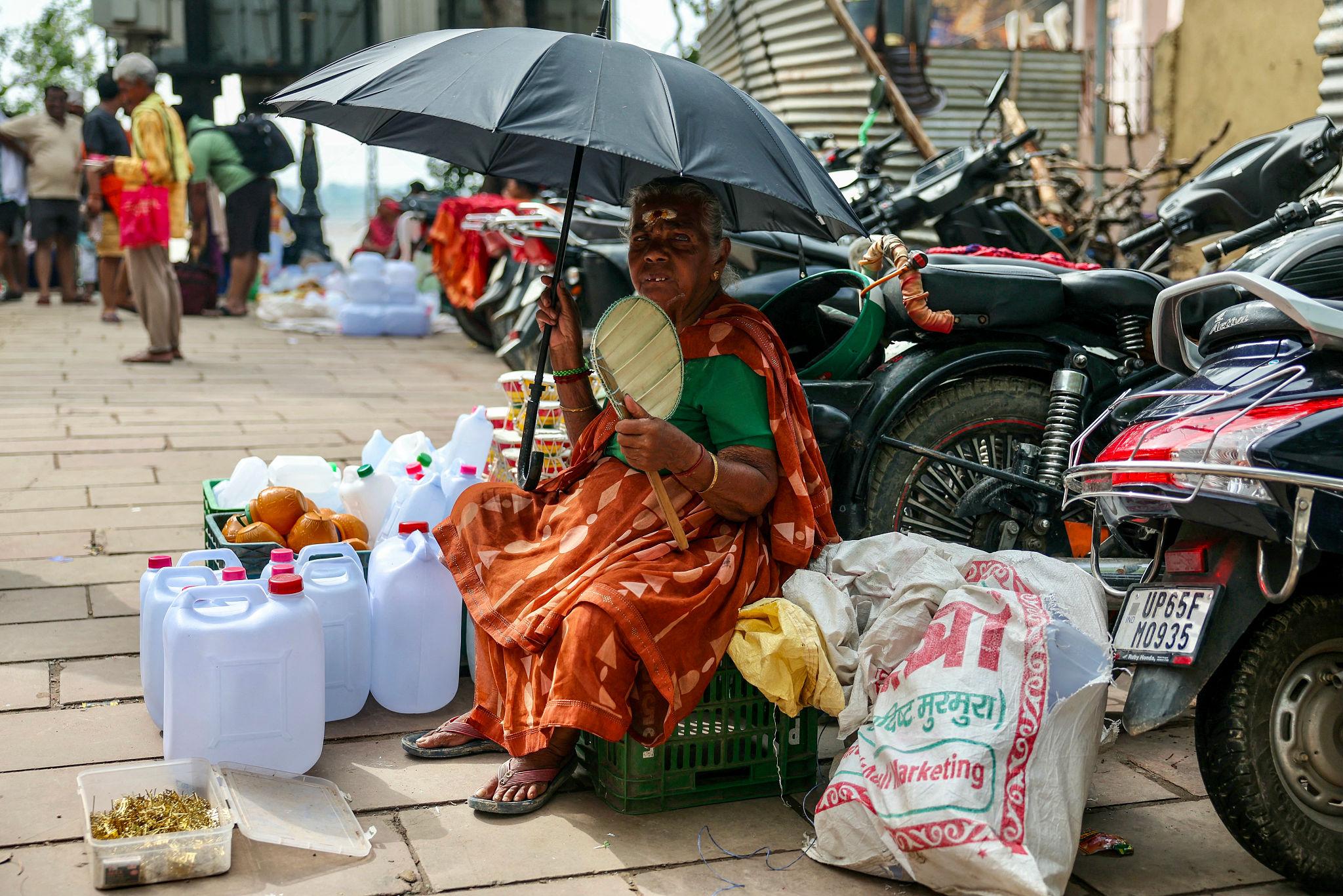
For now, people are simply trying to adapt. Hats, umbrellas, and sunscreen have returned to daily life earlier than expected. Mango lovers are even joking that the fruit might feel pressured to ripen faster this year.
Yet beneath the humor lies a serious reality.
The early heatwave in India, rising global temperatures, and accelerating climate change are warning signs that cannot be ignored.
Because if summer is already knocking on the door in March, the real question is: How hot will the rest of the year become?
For now, all we can do is stay prepared, stay hydrated, and hope for the best.
About the Author