As global attention returns to the ever-sensitive relationship between the United States and Iran, two figures are once again dominating headlines: Masoud Pezeshkian and Donald Trump. With shifting political dynamics in both nations, analysts are closely watching how their respective approaches could redefine one of the world’s most complex diplomatic rivalries.
Who Is Masoud Pezeshkian?
Masoud Pezeshkian, a reformist-leaning politician and former health minister, has emerged as a key figure in Iran’s evolving political landscape. Known for his relatively moderate stance compared to hardliners, Pezeshkian has consistently advocated for:
- Greater international engagement
- Economic reforms within Iran
- Reduced tensions with Western nations
His rise signals a possible shift in tone—but not necessarily a dramatic change in policy—given Iran’s broader power structure.
Donald Trump’s Return to the Spotlight
Meanwhile, Donald Trump continues to influence U.S. foreign policy discourse, particularly regarding Iran. During his presidency, Trump took a hardline stance, most notably by:
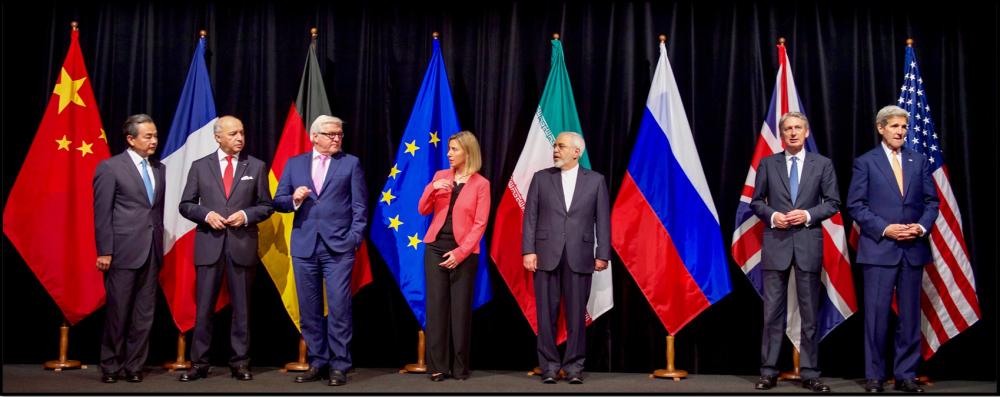
- Withdrawing from the Iran nuclear deal (JCPOA)
- Imposing sweeping economic sanctions
- Authorizing the strike that killed Iranian General Qassem Soleimani
His approach was rooted in maximum pressure, aiming to curb Iran’s nuclear ambitions and regional influence.
A Clash of Strategies
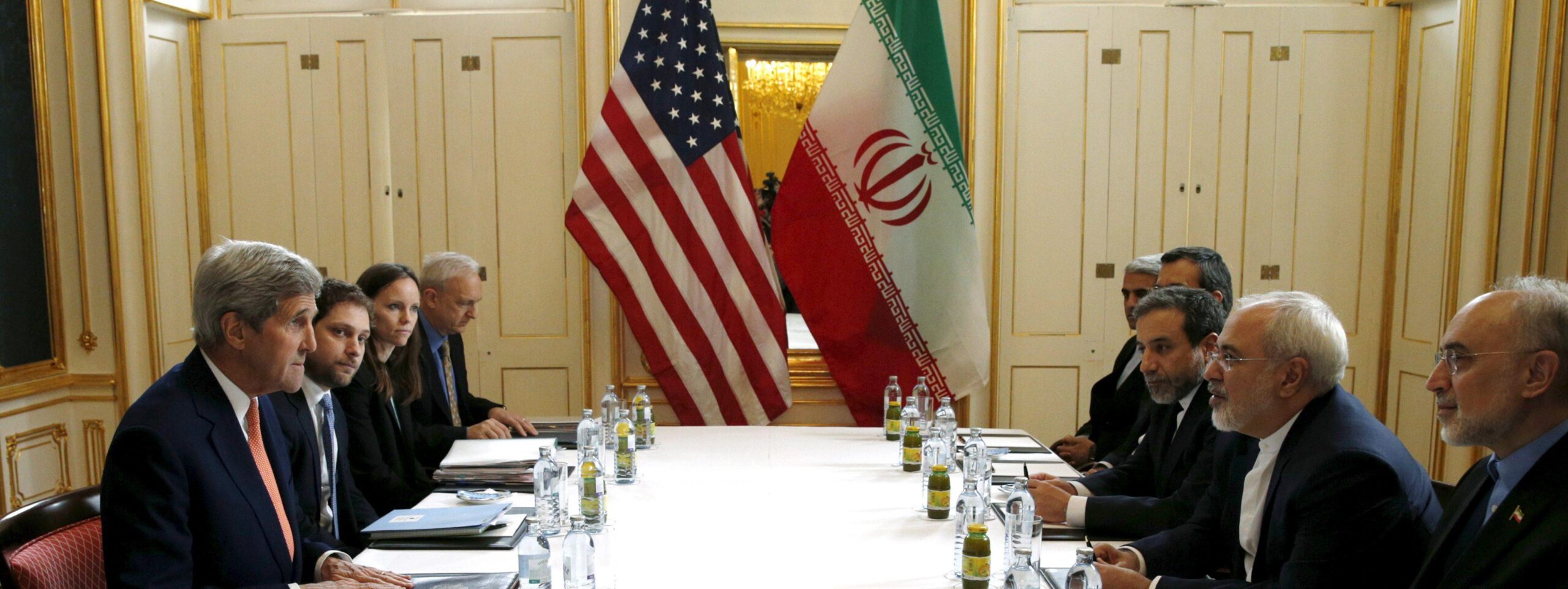
The potential interaction between Pezeshkian’s diplomacy and Trump’s assertiveness presents a stark contrast in strategies:
- Pezeshkian’s Approach: Dialogue, economic recovery, and cautious openness
- Trump’s Doctrine: Pressure, deterrence, and unilateral action
If Trump were to regain political power in the U.S., the chances of renewed friction would be high, even under a more moderate Iranian president.
Nuclear Deal: A Sticking Point
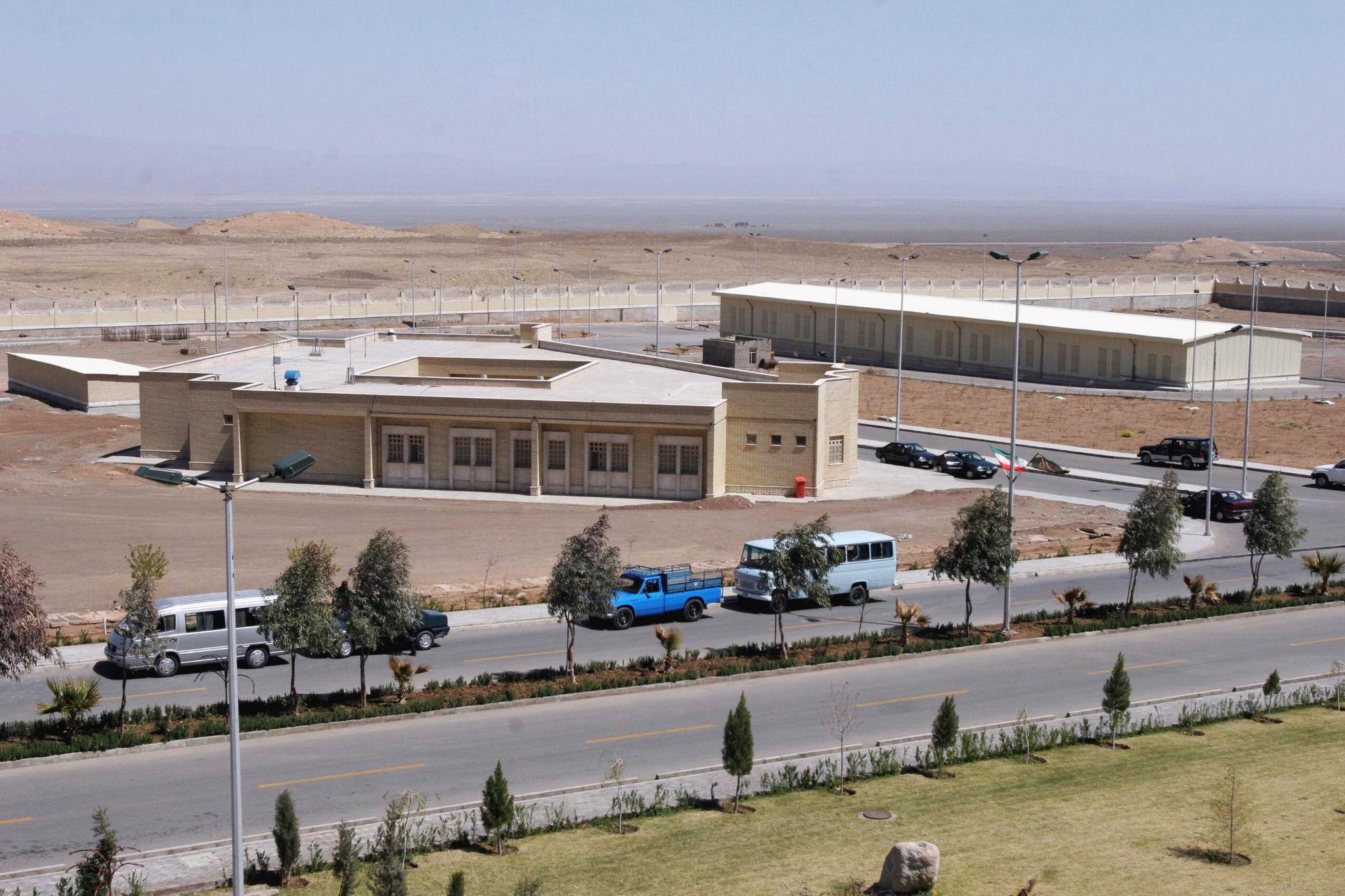
At the heart of US-Iran tensions lies the nuclear issue. Pezeshkian has signaled interest in reviving negotiations to ease sanctions and stabilize Iran’s economy. However, Trump has repeatedly criticized the deal as flawed and has shown little inclination to return to it.
This fundamental disagreement could stall any meaningful diplomatic progress.
Regional and Global Implications
The relationship between these two leaders doesn’t just affect Washington and Tehran—it has ripple effects across:
- The Middle East’s security landscape
- Global oil markets
- International diplomatic alliances
Countries like Israel, Saudi Arabia, and European allies are all watching closely, aware that even subtle policy shifts can trigger major consequences.
What Comes Next?
While it’s too early to predict direct engagement between Masoud Pezeshkian and Donald Trump, their contrasting ideologies set the stage for a potentially tense chapter in international relations.
For now, the world waits to see whether diplomacy or confrontation will define the next phase of US-Iran ties.
About the Author