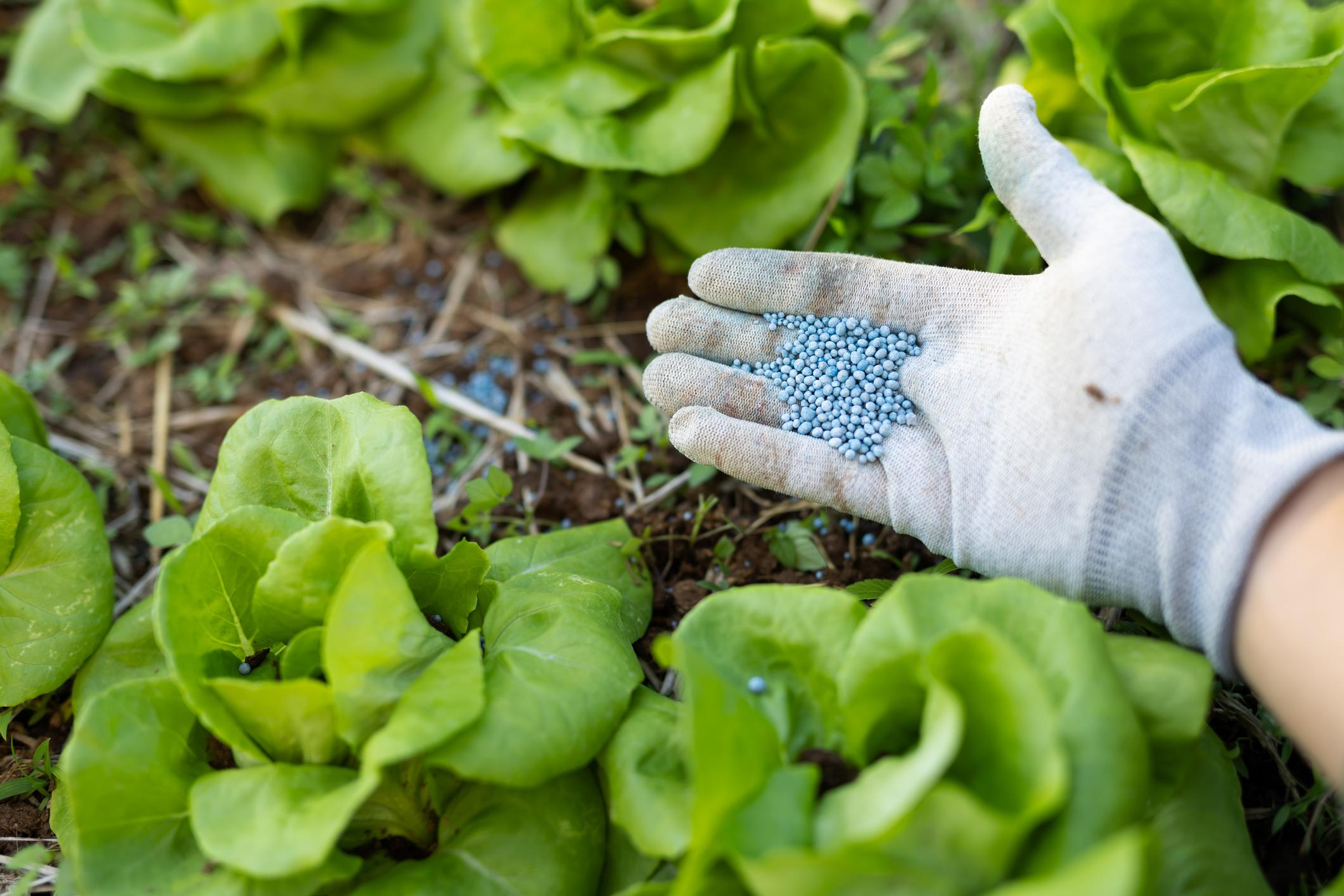
Apply Fertilizer in Field, With the new agricultural season underway, experts are urging farmers across the region to prioritize timely fertilizer application in their fields to ensure improved crop growth and higher yields. As unpredictable weather patterns and declining soil fertility continue to challenge the farming community, proper nutrient management has become more critical than ever.

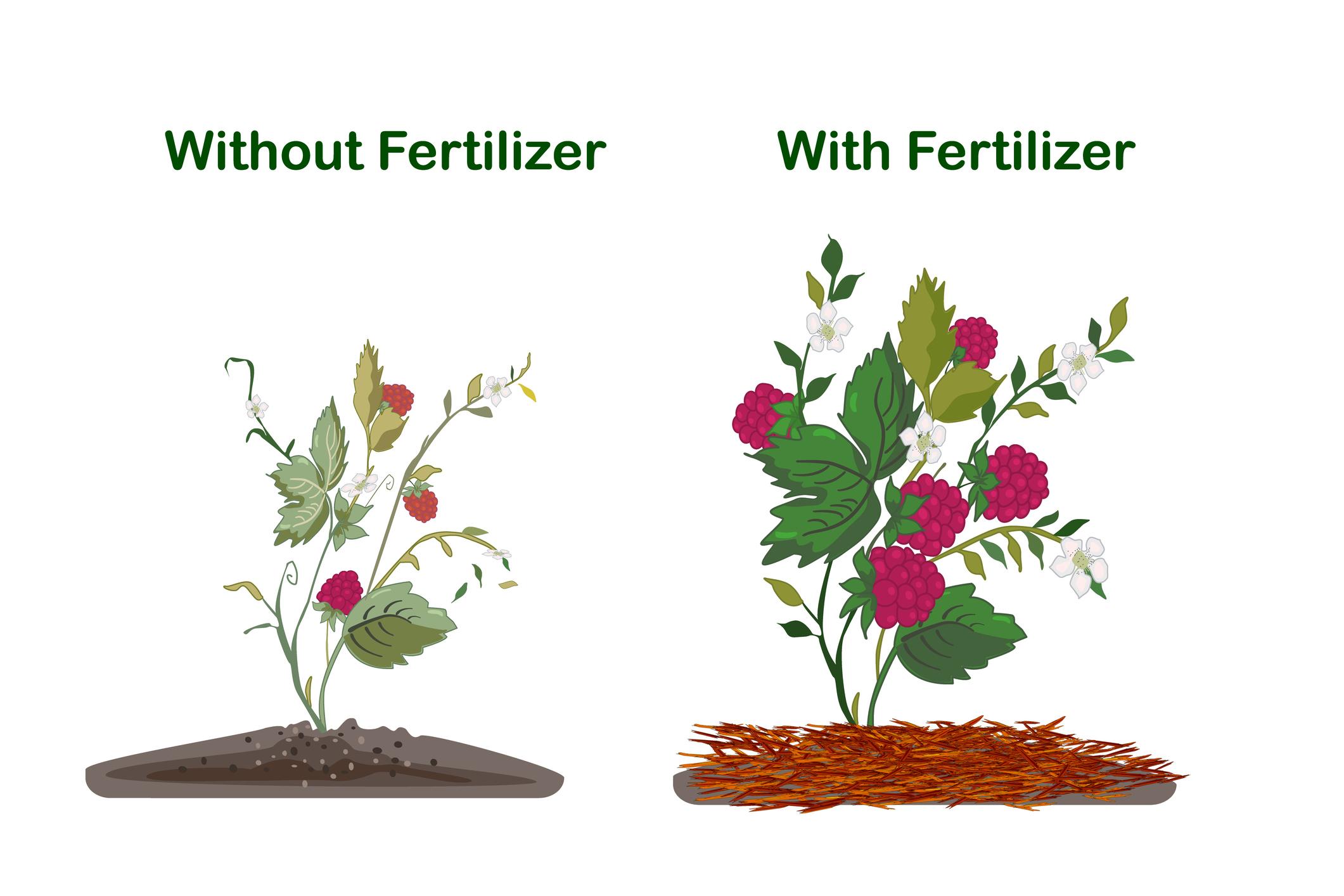
Agricultural specialists say that fertilizers play a key role in replenishing essential nutrients in the soil, helping crops grow stronger and healthier. Nitrogen, phosphorus, and potassium—the primary components of most fertilizers—are vital for plant development, from root formation to flowering and grain production.
“Farmers often underestimate the timing and method of fertilizer application,” said a senior agronomist from a regional agricultural extension office. “Applying the right amount at the right stage of crop growth can make a significant difference in overall productivity.”
Importance of Timely Application
Experts emphasize that fertilizer should be applied based on soil testing and crop requirements rather than guesswork. Early-stage application supports root development, while later doses help boost plant strength and yield quality.
In many rural areas, farmers are now adopting more structured fertilization schedules, combining traditional knowledge with modern techniques. This shift is already showing promising results in terms of crop consistency and soil health.

Balancing Productivity and Sustainability
While chemical fertilizers remain widely used, there is also a growing push toward balanced and sustainable practices. Agricultural advisors recommend integrating organic fertilizers, such as compost and manure, to improve soil structure and long-term fertility.
“Overuse of chemical fertilizers can harm the soil over time,” experts warn. “A balanced approach ensures both productivity and sustainability.”
Government Support and Awareness
Local authorities and agricultural departments have been conducting awareness campaigns and workshops to educate farmers on efficient fertilizer use. Subsidies and support programs are also being provided to make fertilizers more accessible, particularly for small-scale farmers.
Farmers attending these programs have reported better understanding of dosage, timing, and application techniques, leading to reduced costs and improved harvests.

Farmers Share Their Experience
Many farmers who adopted proper fertilization practices last season reported noticeable improvements. “Earlier, I used fertilizers without much planning,” said a farmer from West Bengal. “Now, after following expert advice, my crop quality has improved and input costs have reduced.”
Looking Ahead
As the agricultural landscape evolves, experts stress that knowledge and awareness will be key to maximizing productivity. Proper fertilizer application, combined with sustainable practices, can help farmers navigate challenges and secure better returns.
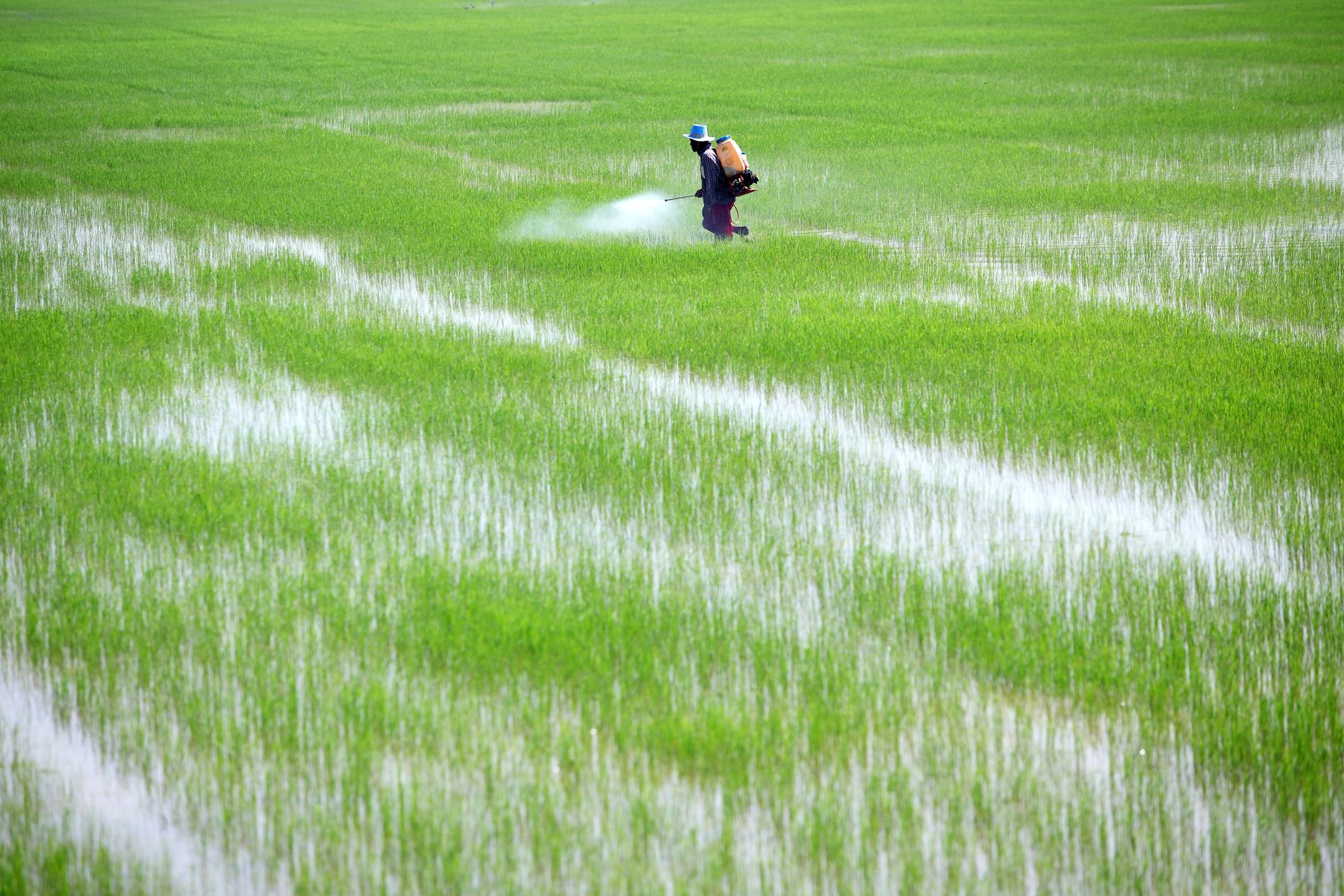
With food demand continuing to rise, efficient farming practices like these are not just beneficial—they are essential.
About the Author