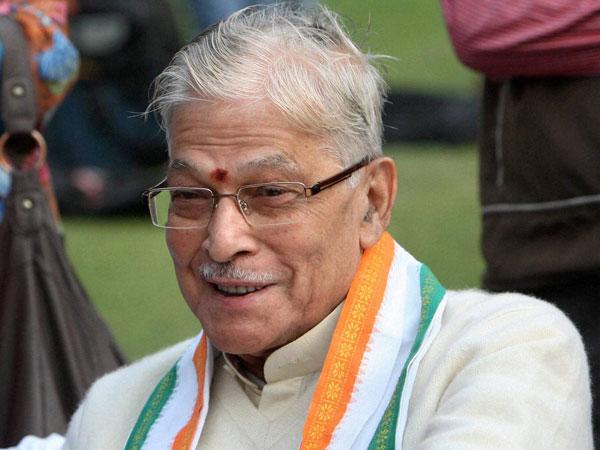
Murli Manohar Joshi latest news: Veteran BJP leader and former Union minister Dr Murli Manohar Joshi has once again triggered a major political and education debate with strong remarks on paper leaks, recruitment practices and the growing crisis of trust in India’s examination system.
In his latest comments on the ongoing debate around paper leaks and education reforms, Joshi reportedly linked the problem to deeper failures in the system, arguing that corruption in appointments can weaken public respect for merit and make cheating or paper leaks appear less unacceptable to some sections of society. His remarks have added fresh momentum to the national conversation surrounding examination reforms, youth protests and accountability in the education sector.
Murli Manohar Joshi’s Remarks Put Education Crisis Back in Spotlight
The latest intervention by Murli Manohar Joshi comes at a sensitive time for India’s education system. Paper leaks, examination controversies and concerns raised by students have repeatedly dominated national headlines in recent months.
As a former Human Resource Development Minister, Joshi’s views carry particular significance. He has questioned whether the country is addressing the deeper reasons behind repeated examination controversies instead of focusing only on immediate responses.
The BJP veteran has suggested that restoring public confidence requires more than cancelling examinations or launching investigations. The larger challenge, according to the concerns raised in his recent remarks, is to rebuild trust in the entire system of education, recruitment and public appointments.
Why Paper Leaks Remain a Major Concern
Paper leaks have become one of the most serious concerns for students and young job seekers across India. For many candidates, competitive examinations represent years of preparation, financial investment and hopes for a better future.
When an examination is compromised, the consequences go far beyond the cancellation of a single test.
Students lose valuable time. Families face financial pressure. Aspirants are forced to prepare again. Most importantly, repeated controversies can create the perception that hard work and merit alone may not guarantee success.
Murli Manohar Joshi’s latest remarks have brought this broader issue into focus. The debate is no longer limited to identifying those responsible for a particular leak. It is increasingly about whether the entire system needs stronger safeguards and deeper reforms.
BJP Veteran Had Earlier Backed Students’ Concerns
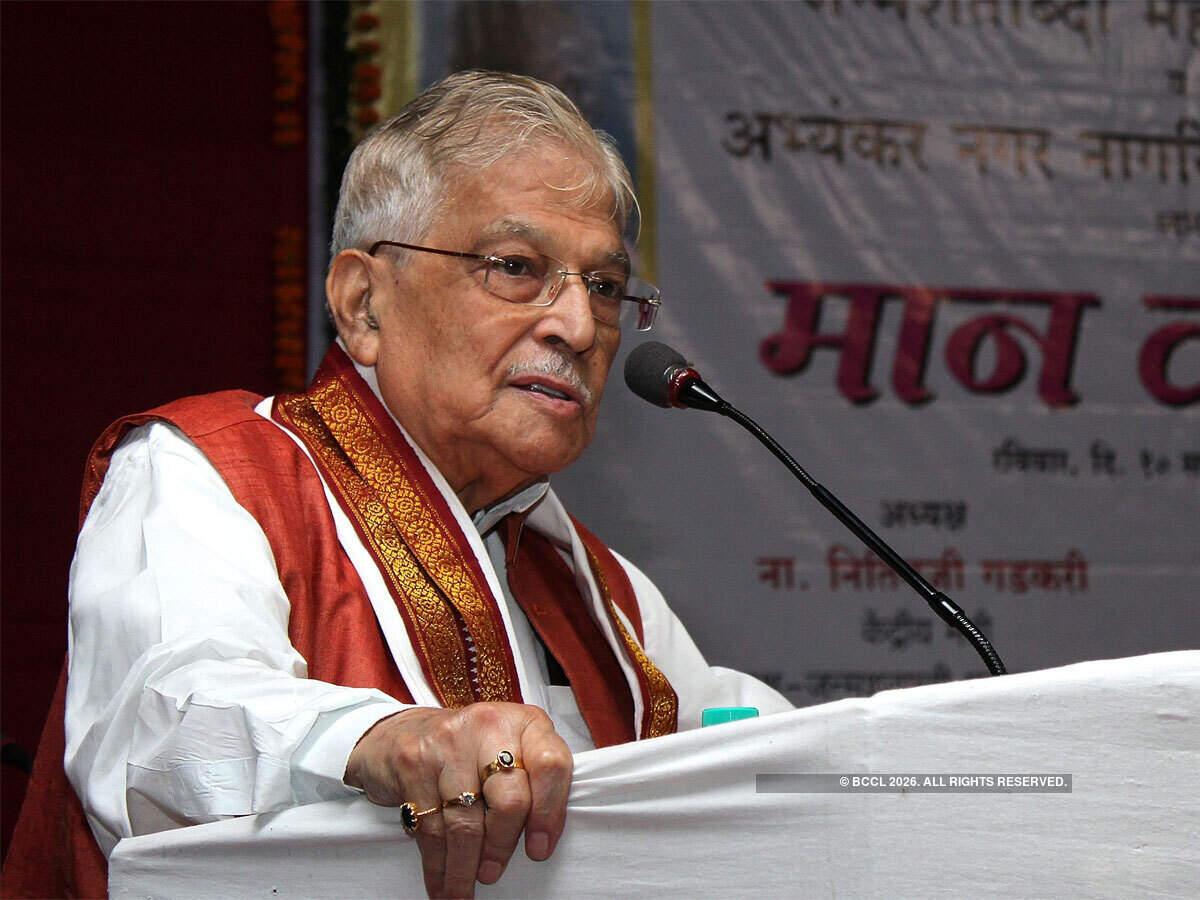
This is not the first time Murli Manohar Joshi has spoken strongly about the concerns of students.
In July 2026, the senior BJP leader publicly called for empathy in dealing with student protesters in New Delhi. He said the concerns surrounding the examination system were genuine and that authorities should address them seriously instead of treating them only as a law-and-order issue.
Joshi also expressed concern over the reported use of force against protesters, including young women, warning that such an approach could alienate people from larger national goals.
Those comments were widely seen as a significant intervention from one of the BJP’s most senior leaders.
“Empathy” and “Accountability” Become Key Themes
The latest comments from Murli Manohar Joshi reinforce two themes that have increasingly dominated the debate: empathy for students and accountability within the system.
India has one of the largest populations of young competitive-exam aspirants in the world. A single examination controversy can affect thousands, and in some cases lakhs, of candidates.
The demand from students is therefore not only for punishment after a paper leak. There is also a growing call for stronger prevention mechanisms, transparent recruitment processes and faster action against those involved in malpractice.
Joshi’s intervention is likely to strengthen the discussion around whether India needs a more comprehensive approach to examination security and education governance.
Murli Manohar Joshi and the Bigger Education Reform Debate
The former Union minister has also raised broader questions about how education policy should evolve.
His recent comments come amid continued national discussion over the New Education Policy, the role of private institutions and the relationship between education, employment and public accountability.
According to recent reports, Joshi has argued that education policy should not be changed merely because it was introduced by a previous government. Instead, policy decisions should focus on what genuinely improves the system.
That position places his latest remarks within a much wider debate: How can India create an education system that is fair, credible, accessible and trusted by its youth?
Why This Matters for Students and Families
For ordinary families, the issue is deeply personal.
A student preparing for NEET, a government recruitment exam or another competitive test may spend years working toward one opportunity. When allegations of leaks or malpractice emerge, the emotional impact can be enormous.
This is why Murli Manohar Joshi’s latest statement is gaining attention.
The debate is not just political. It is about the future of millions of young Indians who depend on transparent examinations to secure education and employment opportunities.
The message emerging from the growing public debate is clear: trust, transparency and accountability are becoming just as important as academic performance.
What Happens Next?
The pressure for examination reforms is unlikely to disappear soon.
With students demanding stronger safeguards and political leaders increasingly raising concerns, authorities may face renewed calls to improve examination security, strengthen recruitment systems and ensure faster action against malpractice.
For Murli Manohar Joshi, the issue appears to be larger than a single paper leak or protest. His recent remarks point toward a deeper concern about the credibility of institutions and the need to protect the value of merit.
As the national debate continues, his intervention will remain significant because, as a veteran leader with extensive experience in politics and education policy, Murli Manohar Joshi brings a strong and informed perspective to the discussion.
Bottom Line
Murli Manohar Joshi’s latest comments have once again placed India’s education system under the national spotlight.
From paper leaks and NEET-related controversies to student protests and questions about long-term reforms, the senior BJP leader has pushed the debate toward a larger issue: Can India rebuild complete trust in the systems that shape the future of its youth?
That question may now become central to the next phase of India’s education and recruitment reform debate.
About the Author