
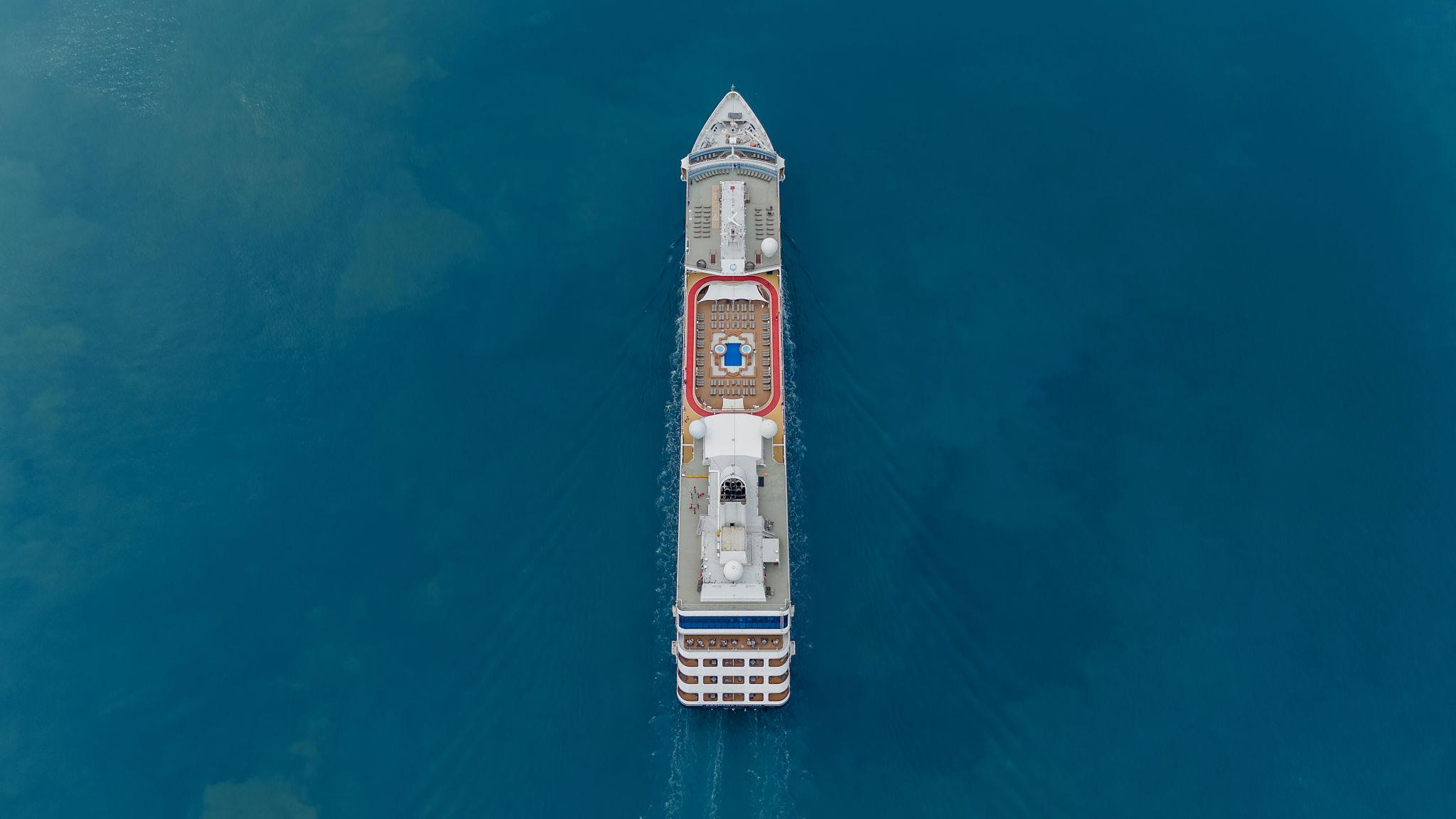
A wave of concern has swept across passengers and health authorities after a suspected outbreak of Hantavirus was reported aboard a cruise ship earlier today. Officials are racing against time to assess the situation as travelers recount unsettling symptoms and sudden medical emergencies during the voyage.
What Happened Onboard?
According to early reports, several passengers began experiencing severe flu-like symptoms, including fever, fatigue, muscle aches, and shortness of breath. Medical teams onboard initially treated the cases as routine illness. However, the rapid spread and severity of symptoms raised red flags.
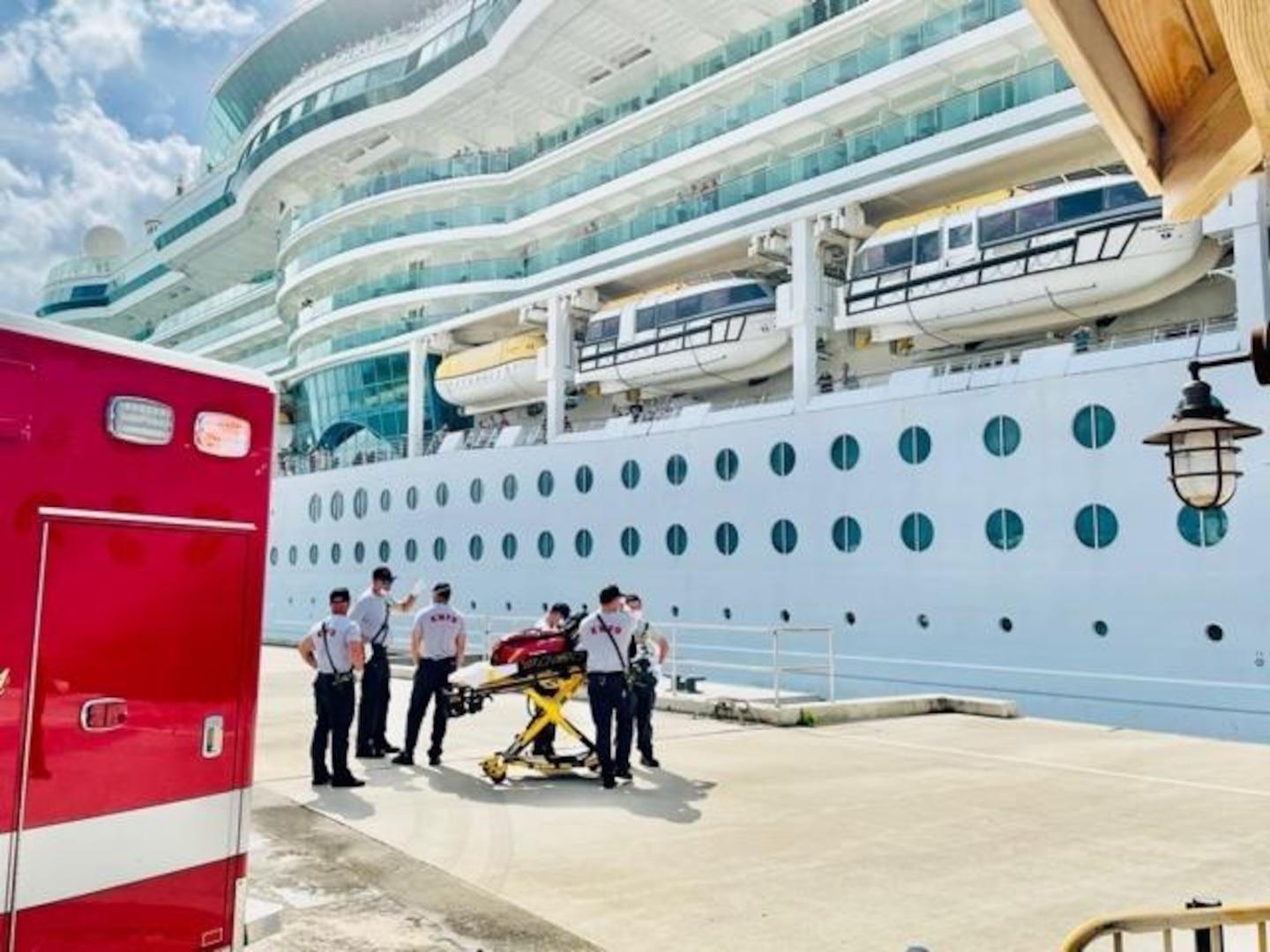
The ship has since been placed under heightened health surveillance, with isolation protocols activated for affected passengers. Authorities have not yet confirmed the total number of cases, but sources indicate the situation is being treated with “serious caution.”
Why Hantavirus Is a Major Concern
Hantavirus is not your typical viral infection. Unlike common respiratory illnesses, it is often linked to exposure to rodent droppings or urine. In rare cases, it can lead to Hantavirus Pulmonary Syndrome (HPS)—a severe and sometimes fatal condition affecting the lungs.
What makes this outbreak particularly alarming is the environment. Cruise ships, with their enclosed spaces and shared facilities, can amplify health risks if not quickly contained.

Immediate Actions Taken
Health authorities and cruise operators have moved swiftly:
- Isolation of symptomatic passengers
- Deep sanitation measures across the vessel
- Monitoring of all passengers and crew
- Coordination with international health agencies
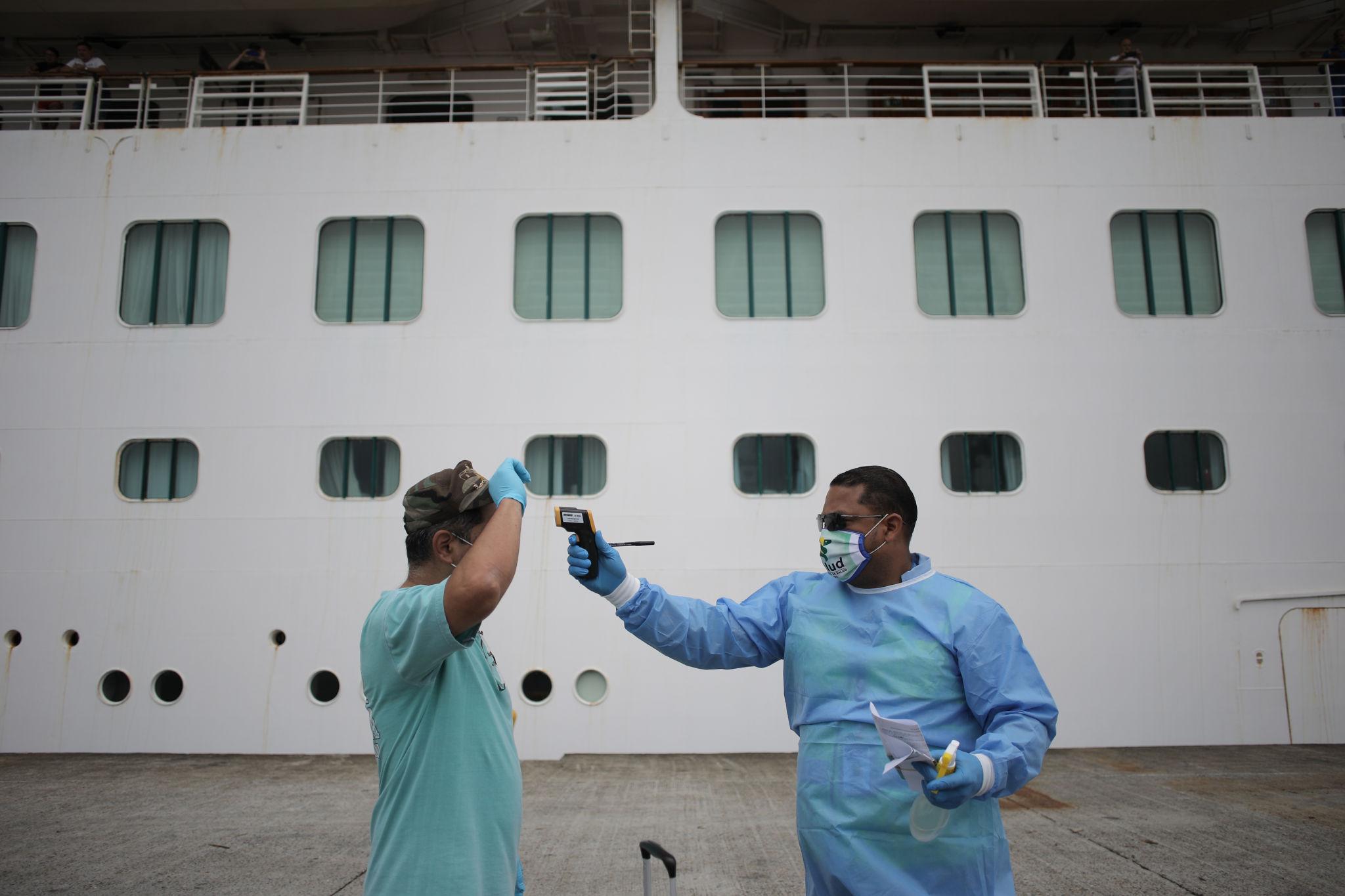
Passengers have been advised to remain in their cabins while medical teams conduct screenings.
Expert Insight: Is This Contagious?
Unlike many viral outbreaks, hantavirus does not typically spread from person to person. However, experts caution that improper sanitation or exposure to contaminated areas could increase risks.
Public health officials are now investigating whether contaminated food storage areas or hidden rodent activity may have triggered the outbreak onboard.
What Passengers Are Saying
Several passengers described a tense atmosphere:
“At first, it felt like a normal sickness, but then more people started falling ill. That’s when panic set in.”
Others reported delays in receiving clear communication, adding to the anxiety.
What Happens Next?
The ship may be denied entry at certain ports until health clearance is granted. Emergency response teams are expected to board the vessel upon docking to conduct thorough investigations.
Meanwhile, families of passengers are demanding transparency and timely updates.
What You Should Watch For
Health experts urge anyone who has recently traveled on cruise ships to stay alert for symptoms such as:
- Sudden fever
- Severe fatigue
- Breathing difficulty
- Persistent cough
Early medical attention can be life-saving.
A Growing Global Health Reminder
This incident highlights how quickly health scares can escalate in confined travel environments. While authorities continue to investigate, this outbreak serves as a stark reminder of the importance of hygiene, monitoring, and rapid response systems in global travel.
About the Author