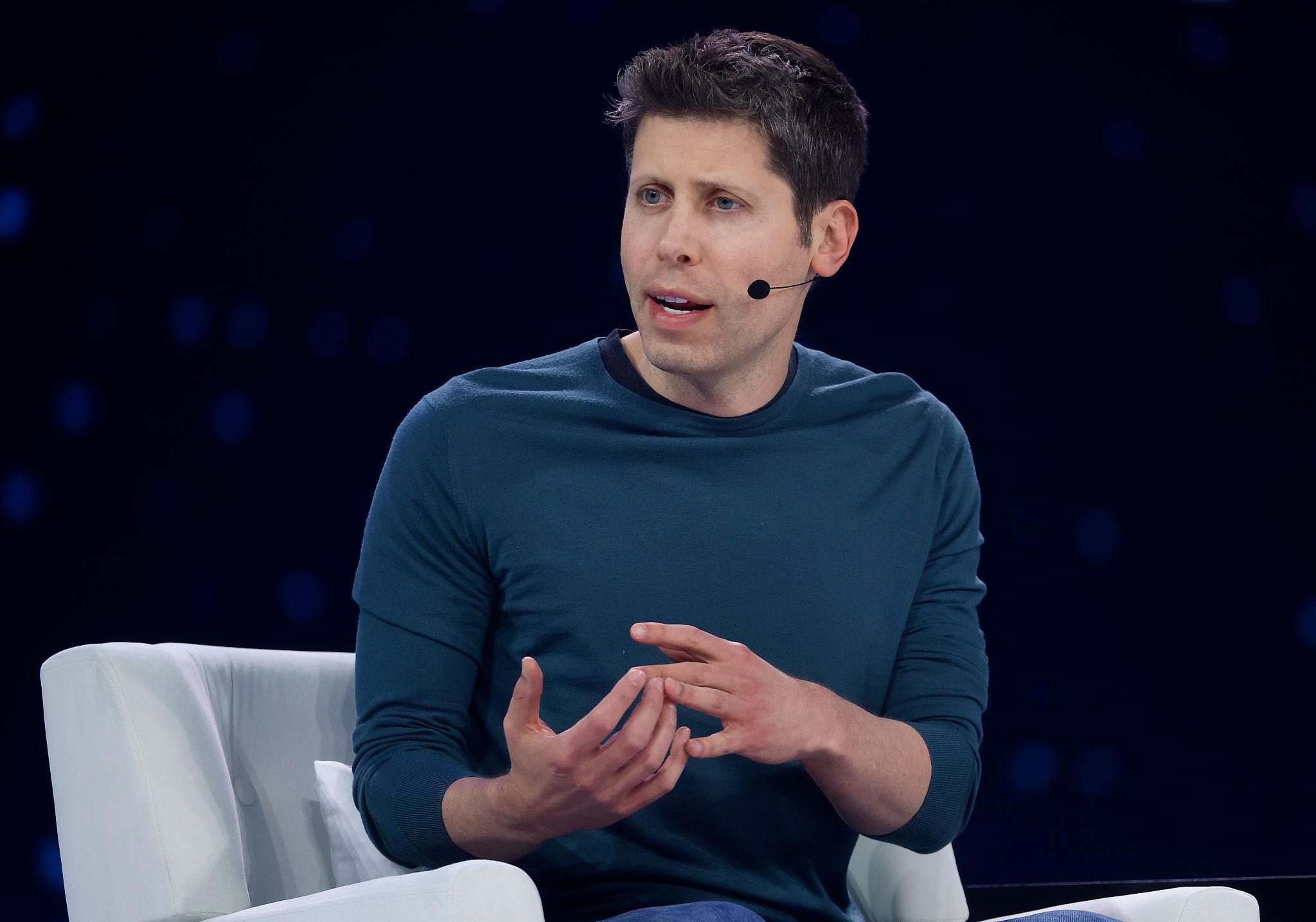
Sam Altman, the CEO of OpenAI, is once again at the center of global attention. From a high-profile legal battle with Elon Musk to stark warnings about artificial intelligence reshaping the economy, today’s developments highlight the growing influence—and controversy—surrounding one of tech’s most powerful figures.
Courtroom Clash: Elon Musk vs. Sam Altman
A major legal showdown began today in California, as Elon Musk takes OpenAI and Sam Altman to court. The lawsuit revolves around claims that OpenAI abandoned its original nonprofit mission in favor of profit-driven goals.

Musk, who was an early supporter of OpenAI, alleges that the organization has strayed from its founding purpose of developing AI for the benefit of humanity. Reports suggest he is seeking significant damages and potentially pushing for leadership changes.
OpenAI, however, strongly disputes these claims. The company argues that evolving into a hybrid or profit-oriented model was necessary to fund advanced AI research and remain competitive in a rapidly accelerating industry.
This case is expected to have far-reaching implications—not just for OpenAI, but for how artificial intelligence companies are governed worldwide.
Altman’s Stark Warning: AI Could Disrupt the Economy
Beyond the courtroom, Sam Altman is making headlines for his candid remarks about the future of AI. He has warned that the development of advanced artificial intelligence—often referred to as Artificial General Intelligence (AGI)—could fundamentally reshape the global economy.

According to Altman, widespread automation could lead to massive job displacement. In some scenarios, he suggests traditional work structures could collapse entirely.
His comments reflect a growing concern within the tech community: that AI progress may outpace society’s ability to adapt. While AI promises efficiency and innovation, it also raises urgent questions about employment, income distribution, and economic stability.
Safety Concerns After AI-Related Incident
Sam Altman also recently addressed criticism following an incident involving a flagged user account that was later linked to a violent crime. OpenAI did not alert law enforcement in advance, prompting scrutiny over the company’s responsibility in monitoring and reporting potential threats.
Altman issued a public apology, acknowledging the seriousness of the situation. AI companies have reignited the debate over how they should balance user privacy with public safety—and where they should draw the line.

Worldcoin Project Faces Mixed Reactions
Another area drawing attention is Sam Altman’s involvement in the biometric identity project known as Worldcoin
The initiative, which uses iris scanning to verify human identity online, aims to combat bots and digital fraud. However, it has sparked global controversy. Some countries have raised concerns about privacy and data security, while others are exploring partnerships and use cases.
The debate highlights a broader tension in the digital age: how to verify identity in an AI-driven world without compromising personal freedoms.
A Defining Moment for AI Leadership
Taken together, today’s developments paint a complex picture of Sam Altman’s role in shaping the future of artificial intelligence. He stands at the intersection of innovation, regulation, and ethical responsibility.

Whether in courtrooms, public discussions, or global tech initiatives, Altman’s decisions are influencing not just the direction of OpenAI, but the broader trajectory of AI itself.
As the legal battle unfolds and AI continues to evolve, one thing is clear. The conversation around technology, power, and responsibility is only just beginning.
About the Author