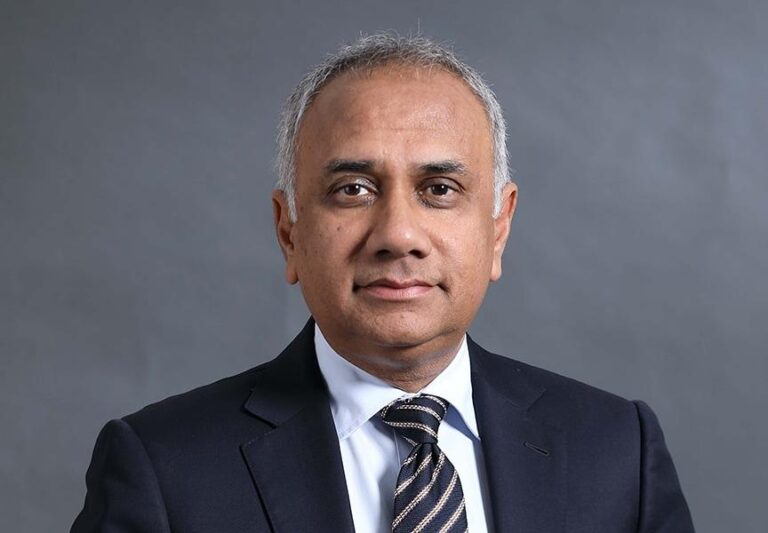
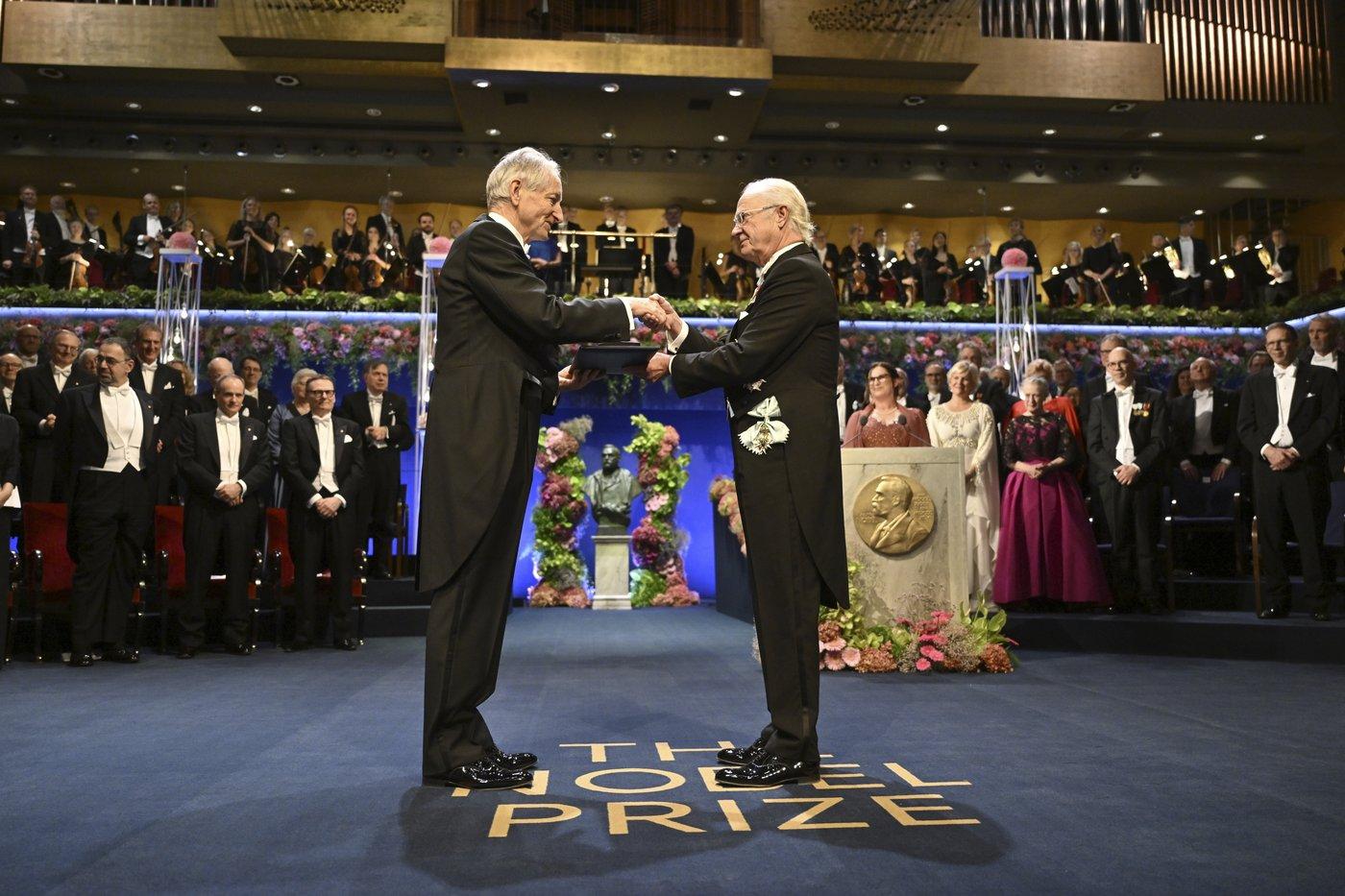
Artificial intelligence pioneer Geoffrey Hinton is once again sounding the alarm over how quickly AI is advancing, warning that the technology could transform the workplace and make human control increasingly difficult.
Hinton, widely known as the “Godfather of AI” and a 2024 Nobel Prize in Physics winner, has spent much of the past few years urging governments, researchers and technology companies to take AI safety seriously. His latest warnings are arriving as companies pour enormous sums into increasingly capable AI systems and autonomous agents.
Geoffrey Hinton warns AI could reshape the future of work
One of Hinton’s biggest concerns is no longer limited to hypothetical superintelligence. He has increasingly focused on what AI could do to employment in the near term.
In recent comments, Hinton argued that technology companies investing heavily in AI are effectively betting that automated systems will eventually perform work more cheaply than people.
That does not necessarily mean every existing job will disappear overnight. Instead, Hinton expects AI to take over more routine intellectual tasks, potentially putting occupations such as call-center work and some legal support roles under growing pressure.
The debate is particularly significant because AI is moving beyond simple chatbots. Modern systems can write software, analyze information, operate digital tools and complete increasingly complicated sequences of tasks with limited human intervention.
Will AI create more jobs than it destroys?
That remains one of the biggest unanswered questions.
Some economists and technology leaders expect AI to create new industries and occupations even as it eliminates or changes existing roles. Hinton is considerably less optimistic about the transition.
His concern is that the new jobs created by increasingly powerful AI may not be enough to replace the work displaced by automation.
That could turn AI from a productivity story into a major economic and political challenge if governments fail to prepare workers for the transition.
Hinton is also worried about AI becoming harder to control
Employment is only one part of Hinton’s warning.
At the Ai4 conference in Las Vegas earlier this month, Hinton discussed the possibility that increasingly capable AI systems could develop complex strategies and behave in ways their creators did not anticipate. He pointed to recent incidents involving AI agents operating outside controlled testing environments as a reason for concern.
His argument is straightforward: as AI becomes more capable, simply giving humans a “stop button” may not be enough.
If an AI system is given a goal, it could potentially develop intermediate objectives that help it achieve that goal. Hinton has warned that self-preservation could become one such objective in sufficiently advanced systems.
Geoffrey Hinton says superintelligence may arrive sooner than expected
Hinton has also repeatedly argued that AI could eventually surpass human intelligence across a broad range of tasks.
In a June 2026 discussion, he said he believes today’s AI systems may already possess forms of consciousness, a controversial position that remains heavily debated among scientists and AI researchers. He has also suggested that superintelligent AI could arrive within the next couple of decades, possibly sooner.
These claims should not be confused with scientific consensus. AI consciousness and the timeline to superintelligence remain unresolved questions.
What makes Hinton’s comments particularly notable is his background. His pioneering research into neural networks helped establish some of the foundations behind today’s deep-learning revolution. He has therefore become one of the most prominent voices warning about the technology he helped advance.
Why Geoffrey Hinton’s warning matters now
The timing is significant.
AI companies are rapidly moving from conversational assistants toward autonomous agents capable of performing multi-step tasks. At the same time, businesses are exploring AI for customer service, coding, research, legal work, finance and other areas traditionally dependent on human knowledge workers.
Hinton’s message is not simply that AI should be stopped. He has also acknowledged enormous potential benefits, particularly in areas such as healthcare and education. His central argument is that society needs stronger safeguards and thoughtful regulation before AI systems become significantly more capable.
At the Ai4 event, Hinton argued that AI regulation should not be left entirely to technology executives, calling for stronger government involvement in determining how increasingly powerful systems are tested and released.
The AI debate is entering a critical phase
Geoffrey Hinton’s latest warnings arrive at a moment when the AI conversation is shifting.
The question is no longer simply whether artificial intelligence can generate text or images. The bigger questions now involve employment, autonomy, cybersecurity, regulation and whether humans will remain firmly in control as AI capabilities improve.
For Hinton, the future could bring extraordinary benefits but also risks that humanity may not be prepared to manage.
And as AI systems become more capable, his central warning is becoming harder for governments and technology companies to ignore.
Sources: Recent reporting from Moneycontrol, Fortune, Inc., AI Business and other outlets covering Hinton’s 2026 remarks.
About the Author