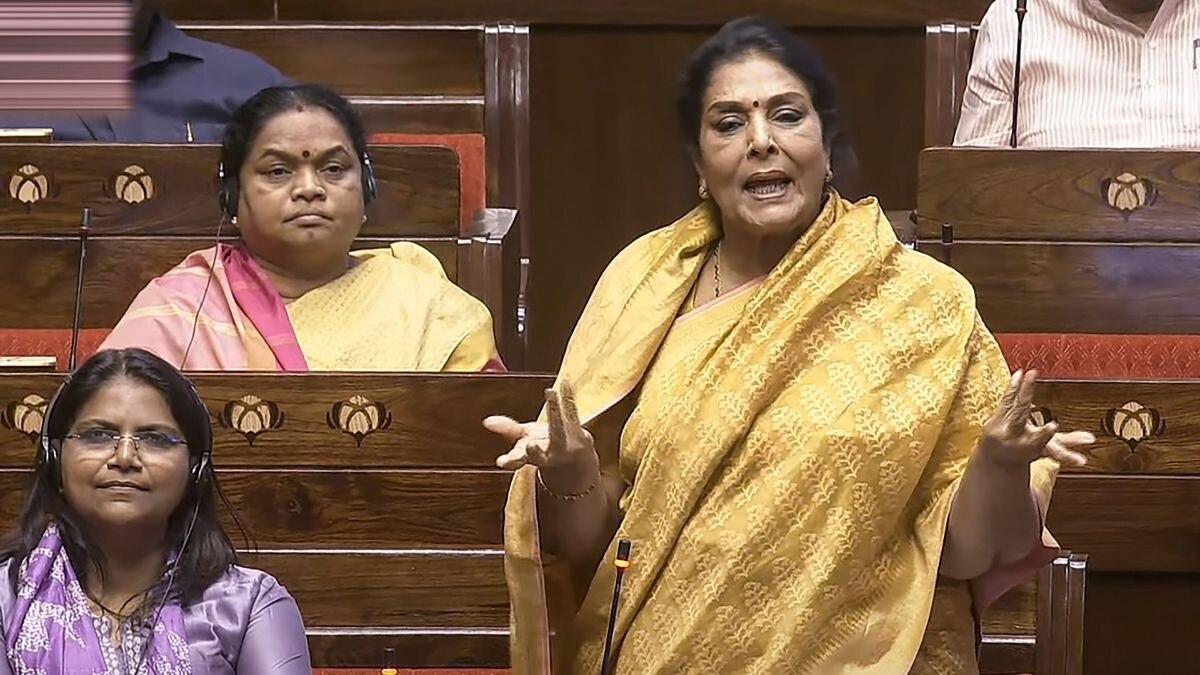
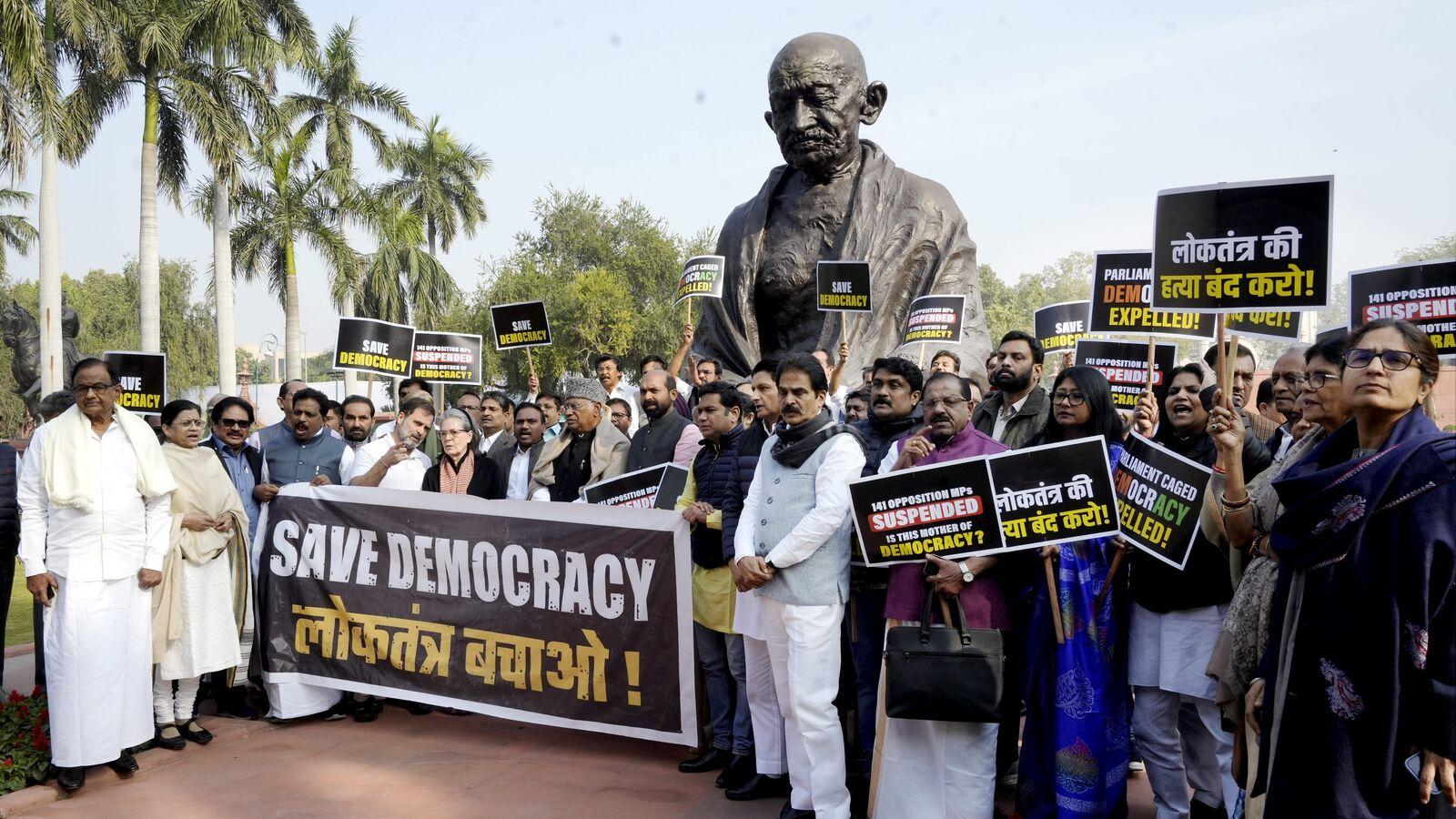
Congress Rajya Sabha MP Renuka Chowdhury has once again become the focus of national political attention after raising serious concerns over security measures around the Parliament complex. In a fresh development during the ongoing Monsoon Session, the senior Congress leader submitted an adjournment motion, alleging that Members of Parliament were prevented from interacting with protesters due to heightened security arrangements and temporary internet connectivity issues.
The issue quickly escalated into a political flashpoint, with opposition parties accusing the government of restricting democratic engagement while the ruling side defended the security arrangements as necessary to maintain order around Parliament.
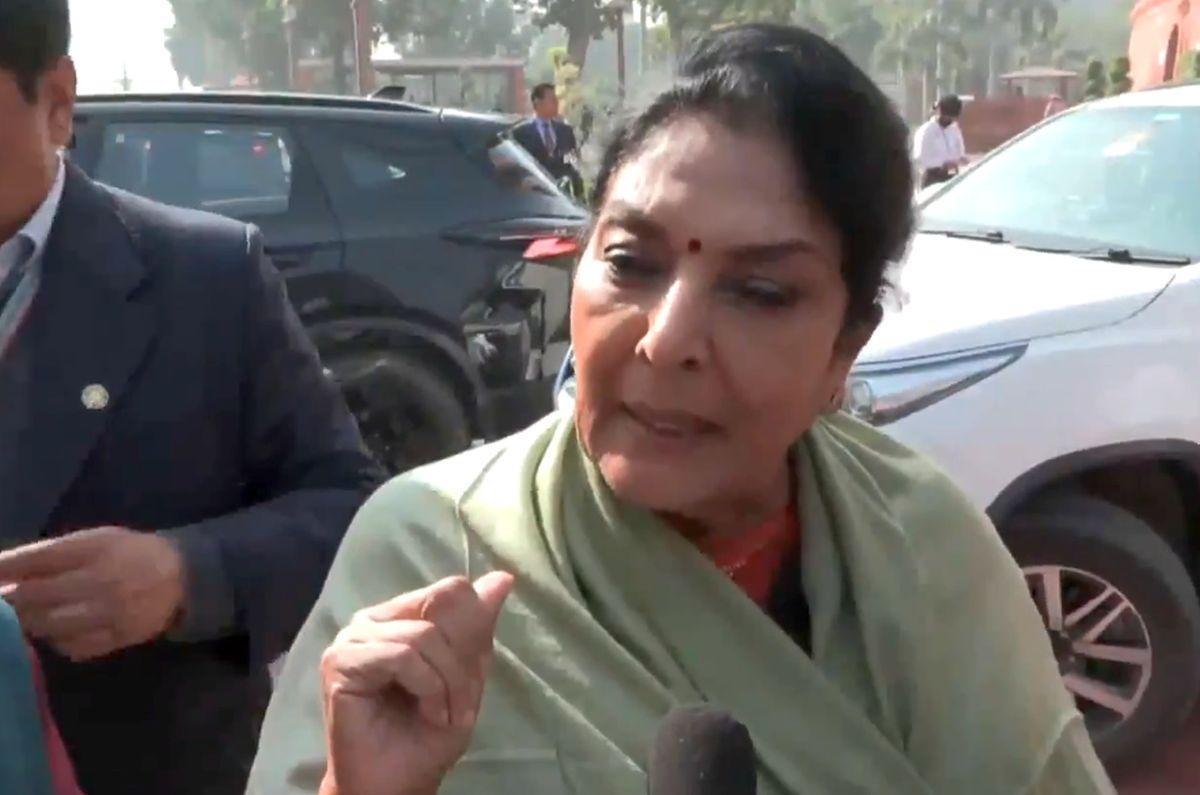
Renuka Chowdhury Raises Issue in Parliament
Renuka Chowdhury argued that elected representatives should have unrestricted access to citizens peacefully protesting outside Parliament. According to her motion, security barricades, restricted exits, and reported internet disruptions created significant hurdles for MPs attempting to reach demonstrators.
She maintained that Parliament should remain accessible to public representatives and described the restrictions as contrary to democratic values.
The adjournment motion sought an immediate discussion in the House, highlighting concerns over both physical movement around Parliament and the reported communication difficulties caused by internet connectivity issues.
Opposition Questions Security Measures
Several opposition leaders echoed Chowdhury’s concerns, claiming that security arrangements around Parliament were unusually stringent during the demonstrations. They argued that lawmakers should not face obstacles while engaging with citizens expressing their views peacefully.
Opposition parties also demanded greater transparency regarding any temporary internet disruptions reported near the Parliament complex, saying such measures affect communication during crucial parliamentary proceedings.
The controversy added to an already heated atmosphere in Parliament, where multiple opposition parties have been pressing the government on a range of political and governance issues.
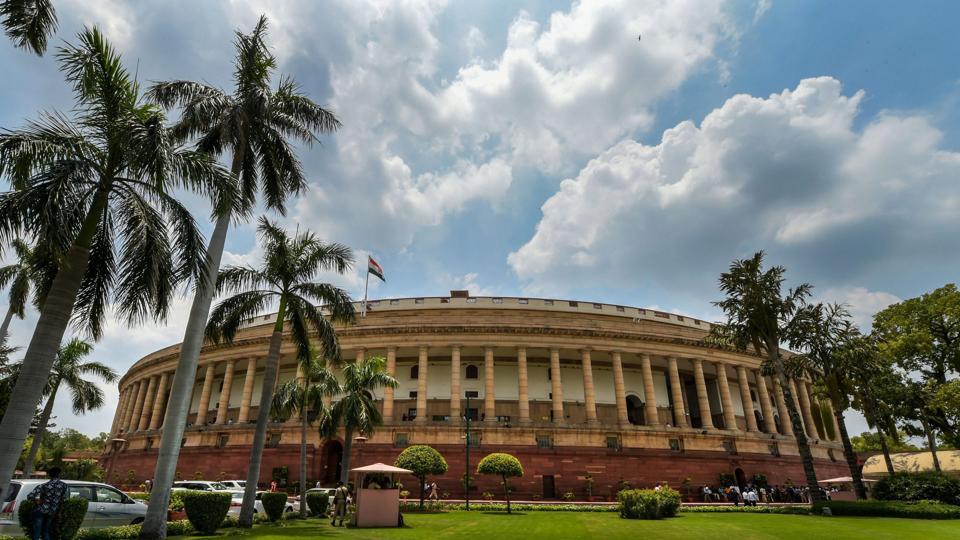
Government Defends Arrangements
Government representatives defended the security protocols, stating that arrangements around Parliament are regularly reviewed based on intelligence inputs and public safety requirements.
Officials maintained that authorities implement movement restrictions only when necessary to ensure the security of lawmakers, Parliament staff, visitors, and the general public.
The government has not officially confirmed allegations that authorities deliberately suspended internet services, while opposition leaders continue to seek clarification.
Political Reactions Intensify
The issue has triggered strong reactions across the political spectrum. Congress leaders described the developments as an attempt to limit democratic engagement, while BJP leaders accused the opposition of politicizing routine security measures.
Political observers believe the controversy could dominate discussions during the remaining days of the Monsoon Session, particularly if the opposition continues demanding a detailed explanation from the Centre.
Why This Matters
The latest controversy involving Renuka Chowdhury comes at a time when Parliament has witnessed repeated confrontations between the treasury benches and the opposition.
Questions surrounding access to protesters, parliamentary privileges, and communication restrictions are likely to remain central to the political debate. Whether the government agrees to a full discussion on the adjournment motion could determine the next phase of the ongoing parliamentary standoff.
As Parliament continues its session, all eyes remain on whether the issue will lead to further protests inside the House or prompt an official response regarding the allegations of internet disruption and security restrictions.
About the Author