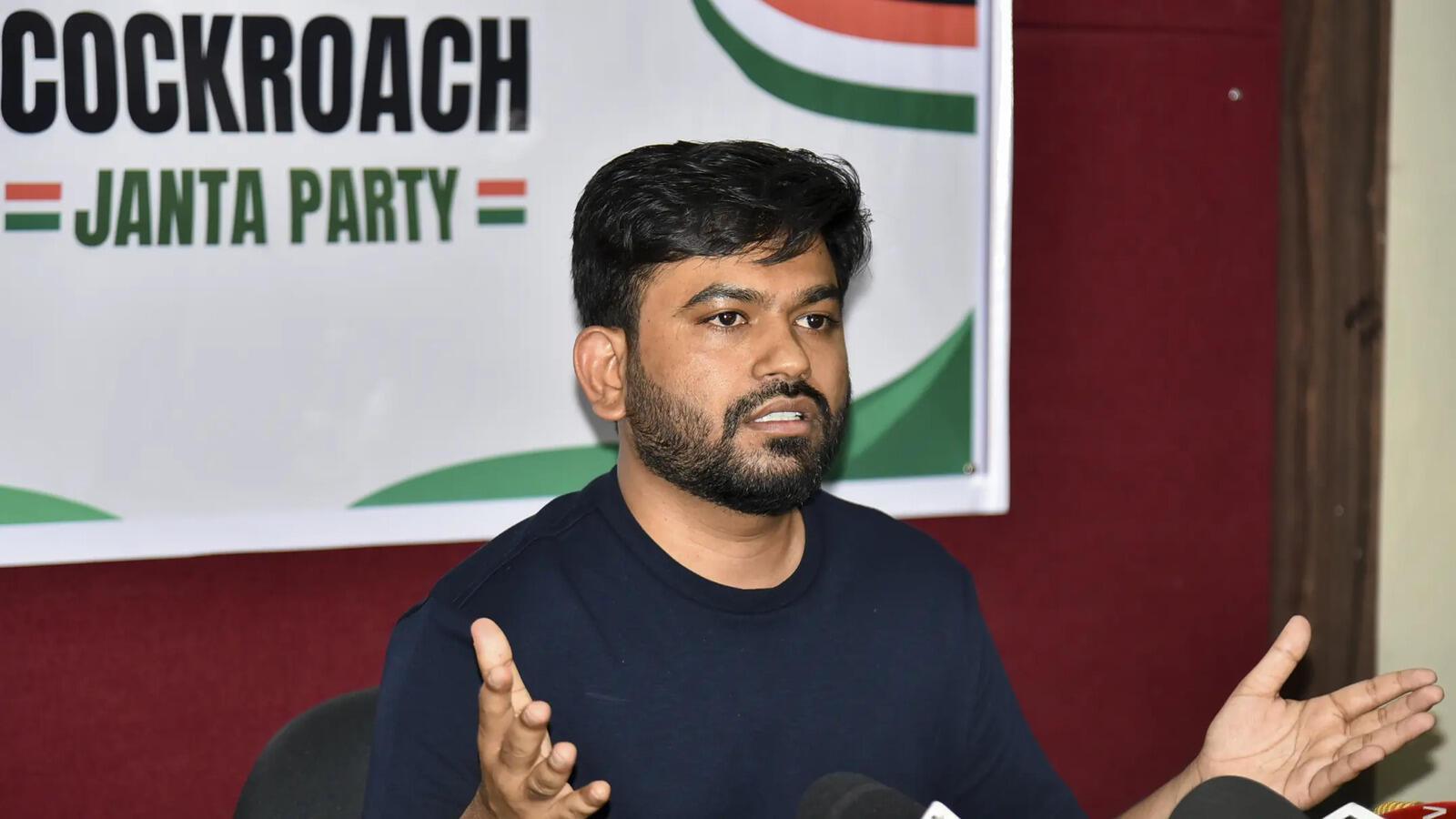
The Cockroach Janta Party (CJP) is back in the spotlight after its latest school-inspection campaign in Rajasthan turned into a political controversy. The youth-led movement, which began as a satirical online campaign, has increasingly shifted its attention toward education infrastructure, student welfare and accountability.
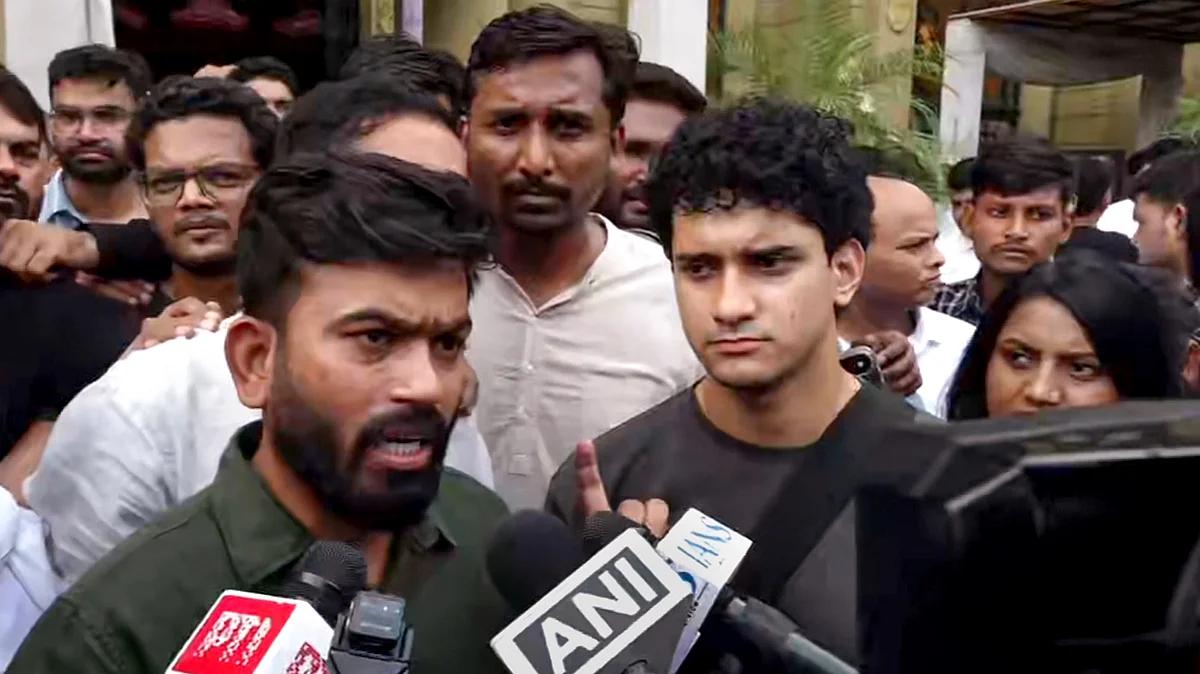
The latest flashpoint came during a visit to a government school in Rajasthan, where CJP members alleged that their volunteers were attacked and a vehicle was damaged. Local villagers, however, have denied the allegations, making the incident a developing political dispute.
Cockroach Janta Party Faces Fresh Controversy in Rajasthan
The confrontation reportedly happened while CJP representatives were attempting to inspect a government school.
According to CJP founder Abhijeet Dipke, volunteers faced resistance during the visit, with allegations of physical assault, stone-pelting and vehicle vandalism. The organisation has blamed people it identifies as BJP-linked for the confrontation.
The allegations have not been independently established, and villagers have disputed the CJP’s version of events. That disagreement is now putting the spotlight on the circumstances surrounding the school visit and the growing political tensions around the movement.
CJP Issues 48-Hour Ultimatum to Rajasthan Government
The controversy escalated further after the Cockroach Janta Party reportedly issued a 48-hour ultimatum to the Rajasthan government.
CJP has demanded action against those allegedly involved in the confrontation and has called for the resignation of Rajasthan Education Minister Madan Dilawar if its demands are not addressed.
The group has also warned of a wider agitation if the government fails to respond.
For a movement that initially gained attention through social media satire, the latest developments show how quickly CJP has moved into direct activism on education and governance issues.
What Is the Cockroach Janta Party?
The Cockroach Janta Party emerged in May 2026 as a satirical online movement founded by Abhijeet Dipke.
The name was inspired by remarks attributed to Chief Justice of India Surya Kant during a court proceeding. The controversial use of the word “cockroach” became a rallying point among young Indians who felt frustrated by unemployment, competitive-exam problems and wider institutional issues.
What started as internet satire quickly developed into a much larger youth movement. Reports in May showed the group attracting millions of social-media followers within a short period.
From Online Protest to Ground-Level Campaign
CJP’s activities have since moved beyond social media.
The movement has organised protests and campaigns around education, examination systems and student rights. Its growing focus on government schools represents another stage in that evolution.
Earlier in August, Reuters reported that CJP was resisting an immediate move into electoral politics, with Dipke saying the movement wanted to remain focused on social issues and institutional accountability rather than quickly becoming a conventional political party.
The group’s latest “School Thik Karo” campaign reflects that strategy.
Why Government Schools Have Become CJP’s New Focus
The condition of public education has become a powerful issue for the movement because it directly affects students and families across India.
CJP activists have highlighted concerns including inadequate classrooms, poor sanitation, missing basic facilities and wider infrastructure problems. The movement argues that government schools should provide students with safe and functional learning environments.
The campaign has already generated controversies in other states. During a recent visit to schools in Maharashtra, Dipke raised allegations concerning basic facilities and school conditions while demanding accountability from education authorities.
CJP’s Growing Political Influence
The rise of the Cockroach Janta Party has attracted considerable attention because of its unusual origins.
Rather than beginning as a traditional political organisation, CJP grew through memes, social-media posts and youth participation. Its rapid expansion demonstrated how online frustration can quickly turn into an organised public campaign.
The movement has also faced scrutiny and government action. In May, the Centre sought restrictions on its X handle following intelligence inputs, according to reporting by The Indian Express.
At the same time, police in Ludhiana warned people about fraudulent WhatsApp links being circulated in the name of CJP, highlighting the risks created when a viral movement becomes a major online trend.
What Happens Next for Cockroach Janta Party?
The immediate focus is likely to remain on the Rajasthan confrontation and CJP’s demand for government action.
The bigger question is whether the movement can maintain momentum while expanding its education campaign across states. Its decision not to immediately enter electoral politics suggests that its leaders currently see grassroots activism and public pressure as more important than contesting elections.
For now, the Rajasthan controversy has once again pushed the Cockroach Janta Party into the national conversation.
What began months ago as a provocative internet joke has developed into a youth-led movement challenging authorities over education, employment and accountability. Whether CJP can turn that online popularity into sustained institutional change remains the key question.
About the Author