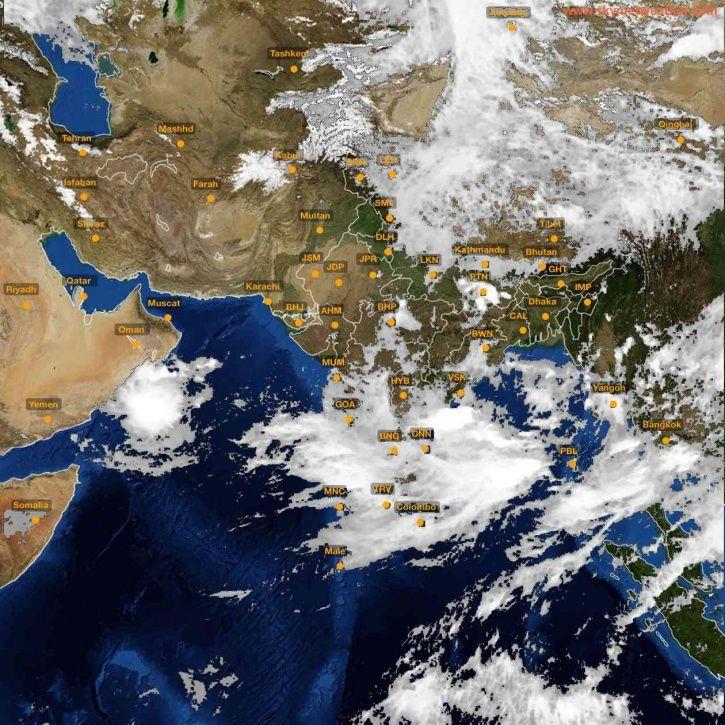
Meteorologists worldwide are rapidly focusing on a powerful climate phenomenon known as the ‘Godzilla El Niño,’ and current forecasts suggest it could significantly affect India.
Scientists monitoring Pacific Ocean temperatures say the developing El Niño event has already crossed key thresholds and may strengthen significantly in the coming months. Some international forecasts suggest it could become one of the strongest El Niño events ever recorded, raising concerns about its potential impact on India’s monsoon season, agriculture, water resources, and food inflation.
What Is the ‘Godzilla El Niño’?
El Niño is a naturally occurring climate pattern that develops when sea surface temperatures in the central and eastern Pacific Ocean become warmer than normal. The event alters global weather systems and can influence rainfall patterns across continents.
The term “Godzilla El Niño” is not an official scientific classification. Instead, it is a nickname being used by meteorologists and media outlets to describe an exceptionally strong El Niño event capable of producing widespread weather disruptions around the world.
Current forecasts indicate that Pacific Ocean temperatures are rising rapidly, increasing the possibility of a very strong event through late 2026 and into 2027.
Why India Is Closely Watching the Situation
For India, the biggest concern is the southwest monsoon.
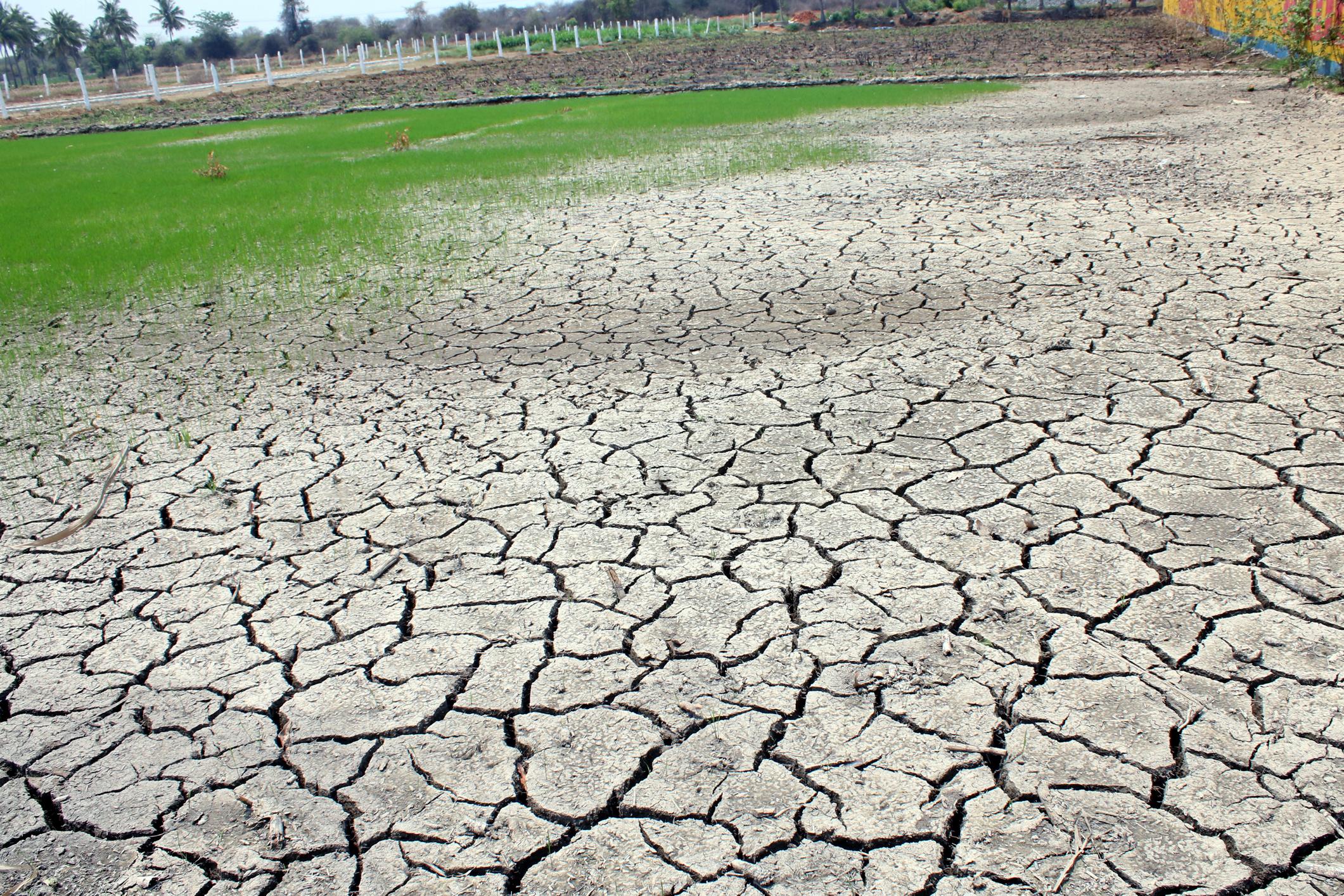
Historically, strong El Niño years have often been associated with below-normal rainfall. The warming Pacific Ocean shifts atmospheric circulation patterns, weakening the monsoon winds that carry moisture into the Indian subcontinent.
The India Meteorological Department has already warned of below-average monsoon conditions this season, and climate experts say a strengthening El Niño could add further pressure to rainfall distribution across several regions.
While El Niño does not guarantee drought, it increases the likelihood of rainfall deficits, especially in rain-dependent agricultural areas. Experts caution that local factors, including the Indian Ocean Dipole (IOD), will ultimately determine the severity of the impact.
States That Could Feel the Heat
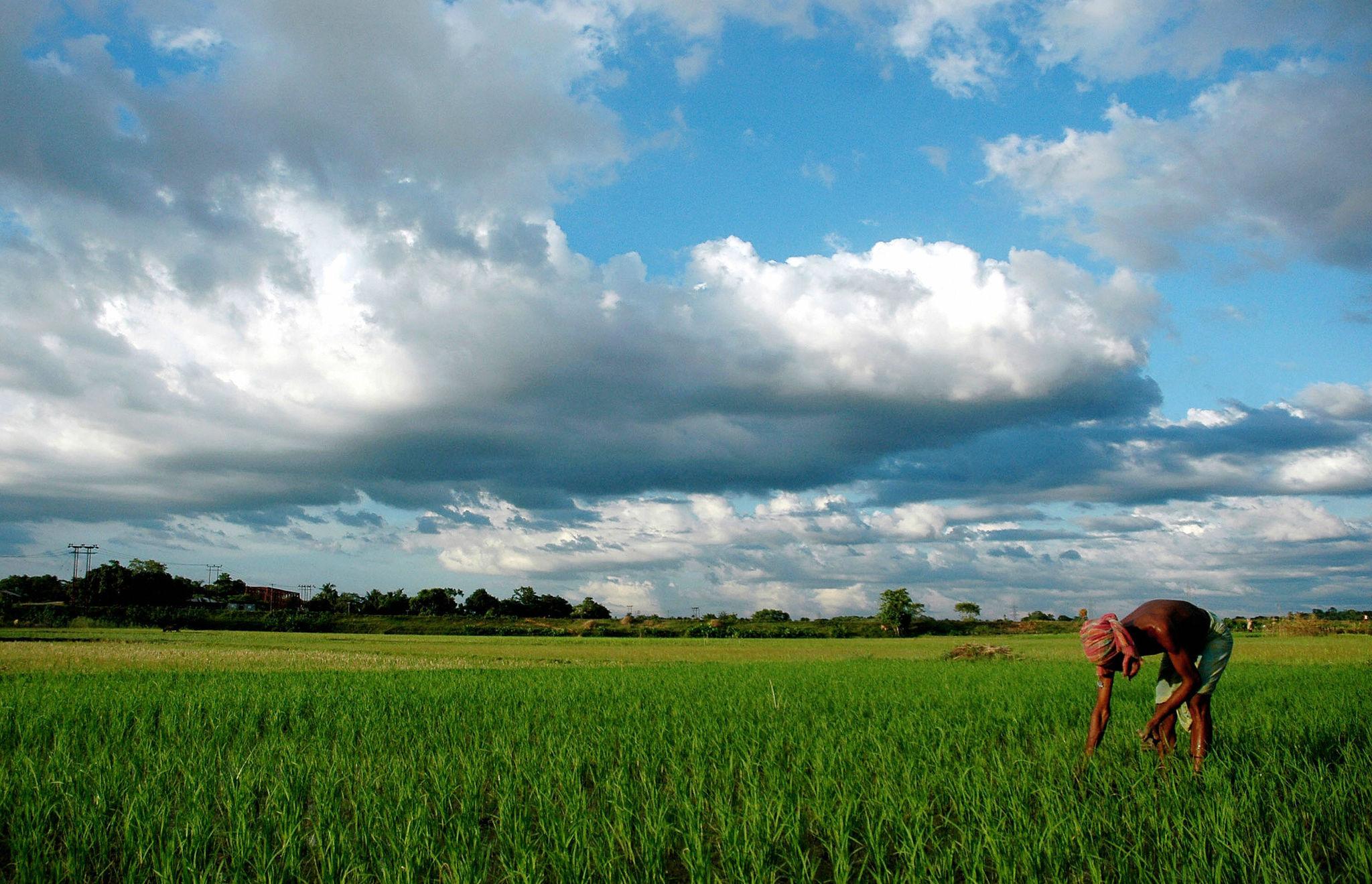
If the El Niño intensifies, several states could experience hotter temperatures, delayed rainfall, or prolonged dry spells.
Regions that depend heavily on monsoon rainfall for farming may face increased challenges, particularly parts of Maharashtra, Karnataka, Telangana, Andhra Pradesh, Madhya Pradesh, Uttar Pradesh, Bihar, and Rajasthan.
Weather experts are also monitoring the possibility of more frequent heatwaves during the coming months if temperatures continue to rise.
Impact on Farmers and Food Prices
Agriculture remains one of India’s most vulnerable sectors during weak monsoon years.
Nearly half of India’s workforce is connected to agriculture, and a significant portion of farmland still relies on seasonal rainfall. Reduced precipitation can affect the production of rice, pulses, cotton, soybean, and other key crops.
A weaker harvest could eventually lead to higher food prices, putting pressure on household budgets. Analysts have also warned that prolonged monsoon weakness may contribute to inflationary risks across the economy.
Government on Alert
The Centre has reportedly identified nearly 200 districts as highly vulnerable to potential El Niño-related disruptions and has prepared contingency plans to protect agricultural output and water availability. Authorities are focusing on preparedness measures, including support for farmers and resource management strategies.
Is a Drought Certain?
Not necessarily.
Climate experts stress that El Niño is only one piece of a much larger weather puzzle. The strength of the Indian Ocean Dipole, regional weather systems, and monsoon circulation patterns could either amplify or reduce the effects of El Niño on India.
That means forecasts may evolve over the coming weeks as more atmospheric data becomes available.
The Bottom Line
The emergence of the so-called “Godzilla El Niño” has become one of the most closely watched climate developments of 2026. While scientists are not yet predicting a nationwide drought, the possibility of weaker monsoon rains, rising temperatures, agricultural stress, and food-price volatility has put India on alert.
For millions of Indians, especially farmers, the next few months will determine whether the monsoon can withstand one of the strongest climate challenges seen in recent years. As weather agencies continue to monitor Pacific Ocean temperatures, all eyes remain on the skies above India.
About the Author