
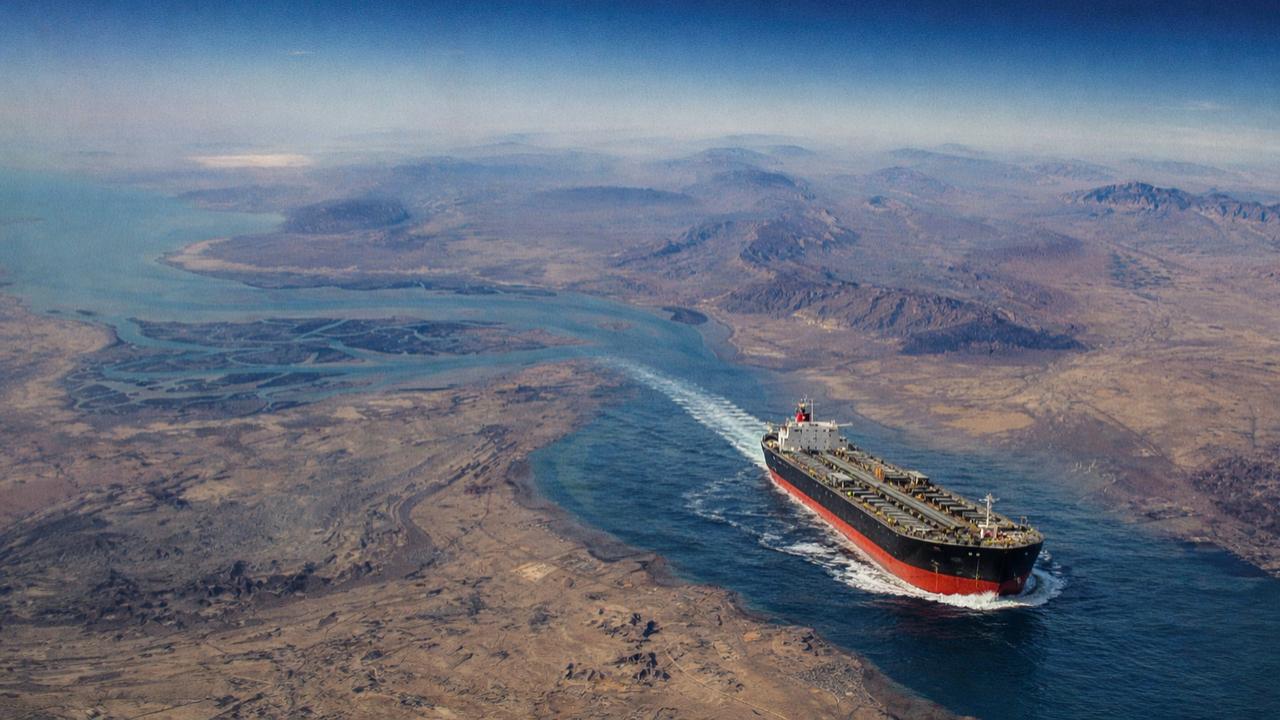
The Strait of Hormuz, a narrow waterway connecting the Persian Gulf to the Gulf of Oman and the Arabian Sea, serves as one of the most strategically important maritime passages on the planet. Nearly a fifth of the world’s oil supply passes through this vital shipping lane every day, making any instability in the region a major concern for governments, businesses, and consumers alike.
Why the Strait of Hormuz Matters
The Strait of Hormuz is often described as the world’s most important oil chokepoint.
Any threat to shipping operations in the area can trigger immediate reactions in global energy markets.
Rising Geopolitical Concerns
Recent developments have heightened fears of potential disruptions in the region. Shipping companies and energy traders are closely monitoring the situation as governments assess risks to maritime traffic.
Previous incidents involving commercial vessels have demonstrated how quickly regional events can impact international trade and global energy supplies.
While maritime traffic continues to flow, industry observers say uncertainty remains elevated as stakeholders await further developments.
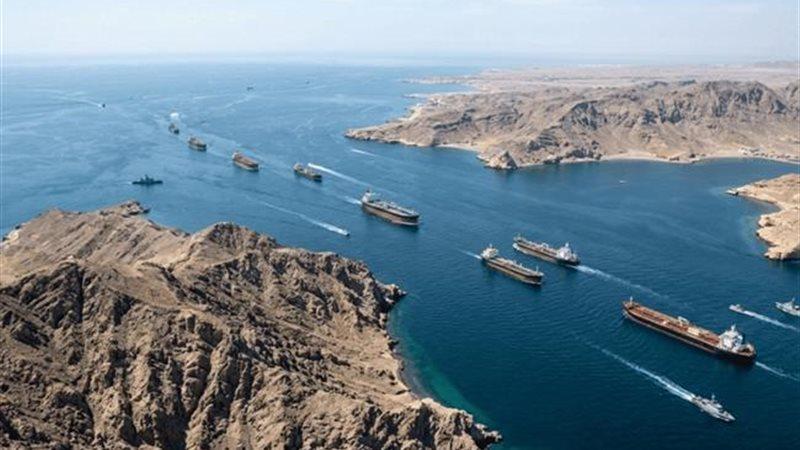
Impact on Global Oil Prices
Energy markets are highly sensitive to events surrounding the Strait of Hormuz. Investors are watching closely for signs of supply disruptions that could affect crude exports from Gulf nations.
Any prolonged disruption could have consequences for fuel costs, airline operations, manufacturing sectors, and consumer prices around the world.
What It Means for Consumers
For consumers, developments in the Strait of Hormuz could eventually translate into higher fuel prices if energy markets experience sustained volatility. Countries heavily dependent on imported oil may face increased costs, while businesses across transportation and logistics sectors could see operational expenses rise.
Global Attention Remains Fixed on the Region
As tensions continue to develop, the Strait of Hormuz remains a focal point for international policymakers, energy companies, and financial markets. The waterway’s strategic importance means that events unfolding in the region have the potential to influence economies far beyond the Middle East.
About the Author